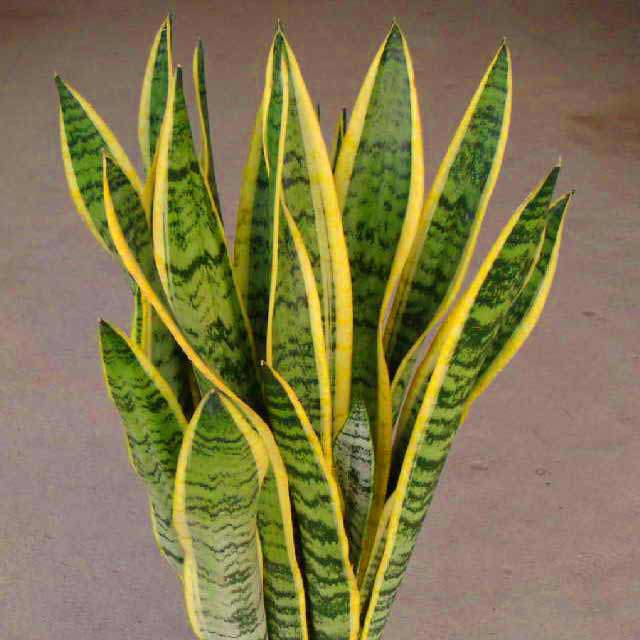
Sansevieria trifasciata laurentii Brown Leaf Tips
eco Brown Leaf Tips

Sansevieria trifasciata laurentii – Brown Leaf Tips

Why does your Sansevieria trifasciata laurentii have brown leaf tips? Diagnose the cause and fix it with our step-by-step guide.

search Possible Causes

error

Improper Watering (Underwatering or Inconsistent Moisture)

Sansevieria are succulents that store water in their leaves; when the soil dries out too completely for extended periods, the plant sacrifices the tips to conserve moisture. This often results in dry, brittle, dark brown edges.

Very Common
lightbulb
How to confirm: Check if the soil is bone-dry several inches below the surface and if the leaf texture feels slightly limp.
build How to fix it
shopping_cart Recommended Products
1 Check the soil moisture level deeply with a probe to ensure you aren't letting the soil stay bone-dry for too long.
2 Establish a consistent watering schedule, allowing the soil to dry out completely between waterings, but avoiding prolonged periods of total drought.
3 Trim the dry, brittle brown tips with sterilized scissors to improve the plant's appearance and prevent further moisture loss.
error

Low Humidity or Salt Accumulation

In dry indoor environments, the lack of moisture in the air can cause tip desiccation. Additionally, the buildup of fluoride, chlorine, or minerals from tap water can burn the sensitive margins of the Laurentii cultivar.

Very Common
lightbulb
How to confirm: Observe if the browning occurs specifically after watering with tap water or during periods of low indoor humidity.
build How to fix it
shopping_cart Recommended Products
1 Increase local humidity around the plant by using a pebble tray or a fine misting spray bottle to prevent further tip desiccation.
2 Flush the soil with distilled or rainwater to wash away accumulated mineral salts and prevent further chemical burns.
3 Monitor soil moisture levels closely to ensure you are not overwatering, which can exacerbate salt-related issues.
warning

Root Rot (Overwatering)

Excessive moisture prevents oxygen from reaching the roots, causing them to decay. As the root system fails, it can no longer transport water to the leaf extremities, leading to dark, soft brown tips.

Common
lightbulb
How to confirm: Gently tug on the base of the plant and check if the soil is damp/mushy or if the rhizome feels soft and black.
build How to fix it
shopping_cart Recommended Products
1 Immediately remove the plant from its current pot and inspect the roots for any mushy, dark, or foul-smelling decay.
2 Trim away all decayed roots using sterilized shears and repot the plant in a fresh, well-draining medium like a mix containing perlite or pumice to ensure proper aeration.
3 Transition to a more controlled watering schedule and use a moisture meter to ensure the soil is completely dry before watering again.
warning

Temperature Stress

Sansevieria are tropical plants that dislike sudden drops in temperature. Exposure to cold drafts from windows or air conditioning units can cause localized tissue death at the leaf tips.

Common
lightbulb
How to confirm: Check if the plant is positioned near a drafty window, door, or an active AC vent.
build How to fix it
shopping_cart Recommended Products
1 Relocate your Snake Plant away from cold drafts, air conditioning vents, or drafty windows to a stable, warm environment.
2 Trim the brown, dead tips using sterilized shears to prevent further aesthetic damage and maintain plant health.
3 Monitor soil moisture levels to ensure the plant is not also suffering from overwatering, which can exacerbate tip rot.

Other Sansevieria trifasciata laurentii problems

Your plant might also be experiencing one of these issues:

local_hospital All symptoms eco All plants with brown leaf tips
favorite