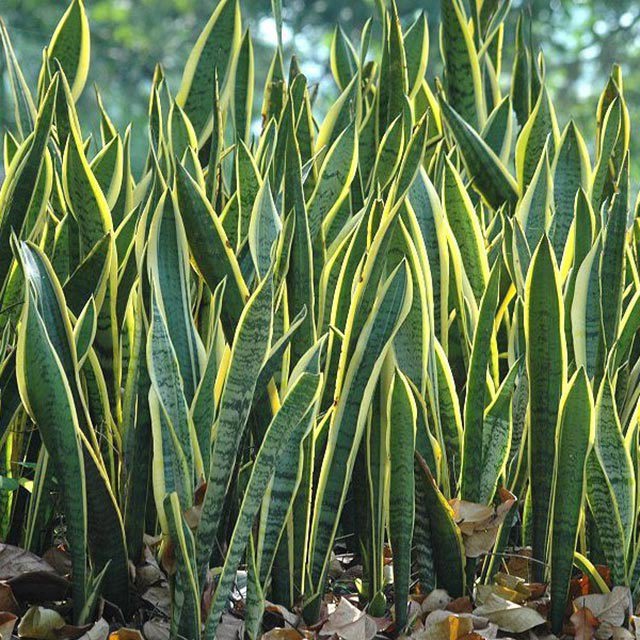
Sansevieria trifasciata Yellow Leaves
eco Yellow Leaves

Sansevieria trifasciata – Yellow Leaves

Why does your Sansevieria trifasciata have yellow leaves? Diagnose the cause and fix it with our step-by-step guide.

search Possible Causes

error

Overwatering and Root Rot

Sansevieria are succulents that store water in their leaves; frequent watering causes the rhizomes and roots to decay, which manifests as yellowing foliage. This is the most common cause of death for this species due to moisture trapped in the substrate.

Very Common
lightbulb
How to confirm: Gently tug on the base of a yellow leaf to see if it pulls away easily from a mushy, blackened stem base.
build How to fix it
shopping_cart Recommended Products
1 Immediately remove the plant from its current pot and inspect the roots for mushy, dark, or foul-smelling decay.
2 Prune away all dead or rotting roots using sterilized tools and repot the plant in a fresh, well-draining substrate like a succulent mix amended with perlite.
3 Ensure the new container has excellent drainage and use a moisture meter to prevent future overwatering by only watering when the soil is completely dry.
warning

Nutrient Deficiency (Nitrogen)

If the soil is depleted of nitrogen, the plant cannot maintain chlorophyll production, leading to a loss of green pigment and yellowing throughout the leaves. This typically occurs in plants kept in the same potting medium for several years.

Common
lightbulb
How to confirm: Check if the yellowing started on older, bottom leaves first while the new growth remains relatively dark green.
build How to fix it
shopping_cart Recommended Products
1 Apply a nitrogen-rich liquid fertilizer to replenish the depleted soil nutrients and restore chlorophyll production.
2 Repot the snake plant in fresh, nutrient-dense potting soil to provide a long-term source of nitrogen and minerals.
3 Use a soil moisture meter to ensure you are not overwatering, as yellowing can also be a sign of root rot from excess moisture.
warning

Light Stress (Insufficient Light)

While Snake Plants are tolerant of low light, extreme deprivation prevents photosynthesis, causing the plant to lose its structural integrity and color. Prolonged periods in near-darkness can lead to a pale, yellowish appearance.

Common
lightbulb
How to confirm: Observe if the yellowing is accompanied by stretched, thin leaves (etiolation) and move the plant toward a brighter window.
build How to fix it
shopping_cart Recommended Products
1 Move your Snake Plant to a spot with brighter, indirect sunlight to restore photosynthesis and leaf color.
2 If natural light is insufficient, supplement with a full-spectrum grow light to provide the necessary energy for growth.
3 Monitor the soil moisture levels closely, as insufficient light often leads to slower water evaporation and potential root rot.
warning

Temperature Shock

Sansevieria are tropical plants that are sensitive to cold drafts; exposure to temperatures below 50°F (10°C) can cause cell damage. This cellular collapse often presents as sudden yellowing or water-soaked spots on the leaves.

Common
lightbulb
How to confirm: Check if the plant is positioned near an air conditioning vent, a drafty window, or an exterior door.
build How to fix it
shopping_cart Recommended Products
1 Immediately move your Snake Plant away from cold drafts, windows, or air conditioning vents to a stable environment above 50°F.
2 Check the soil moisture levels to ensure the temperature drop hasn't led to overwatering, as cold, wet soil accelerates rot.
3 Prune any leaves that have become mushy or completely yellow to prevent potential fungal spread.

Other Sansevieria trifasciata problems

Your plant might also be experiencing one of these issues:

local_hospital All symptoms eco All plants with yellow leaves
favorite