Scindapsus pictus Leggy Stems
eco Leggy Stems

Scindapsus pictus – Leggy Stems

Why does your Scindapsus pictus have leggy stems? Diagnose the cause and fix it with our step-by-step guide.

search Possible Causes

error

Insufficient Light

Scindapsus pictus is shade-tolerant but requires bright, indirect light to maintain leaf density; low light levels trigger etiolation, where the plant stretches stems toward a light source.

Very Common
lightbulb
How to confirm: Observe if the distance between nodes (the space between leaves) has significantly increased compared to older growth.
build How to fix it
shopping_cart Recommended Products
1 Move your Scindapsus pictus to a location with brighter, indirect sunlight to prevent further stem stretching.
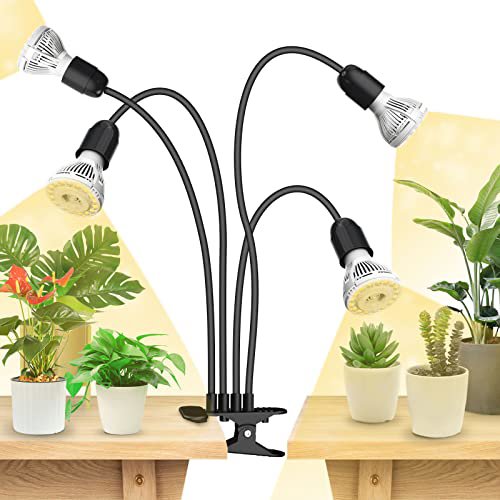
2 Supplement with a full-spectrum grow light to provide consistent light intensity if natural light is insufficient.
3 Prune the elongated, leggy stems to encourage bushier growth and more compact foliage.
error

Improper Pruning/Lack of Maintenance

As a vining plant, Scindapsus naturally produces longer stems over time, but without regular pinching or pruning, the plant can become sparse and 'leggy' at the base.

Very Common
lightbulb
How to confirm: Check if the stems are structurally weak or thin rather than just long and stretched.
build How to fix it
shopping_cart Recommended Products
1 Use sharp, clean pruning shears to trim the long, leggy stems just above a node to encourage new, bushier growth from the base.
2 Take the trimmed cuttings and place them in water or a moist substrate to propagate new plants.
3 Apply a balanced liquid fertilizer to the remaining plant to provide the nutrients necessary for new foliage development.
warning

Nutrient Deficiency

A lack of essential macronutrients, particularly nitrogen, can result in weak, spindly growth that lacks the characteristic silver variegation density.

Common
lightbulb
How to confirm: Check if the new leaves are noticeably smaller and paler than the mature foliage.
build How to fix it
shopping_cart Recommended Products
1 Apply a nitrogen-rich liquid fertilizer to stimulate lush, leafy growth and restore variegation density.
2 Supplement with a seaweed-based fertilizer to boost nutrient uptake and strengthen the plant's overall structure.
3 Prune the long, spindly stems using sharp shears to encourage new, bushier growth from the base.
warning

Overwatering leading to Root Stress

Chronic overwatering can lead to root decay, which limits the plant's ability to support heavy foliage, resulting in stunted node development and elongated stems.

Common
lightbulb
How to confirm: Press the base of the stems or check the soil moisture levels to see if they remain damp for extended periods.
build How to fix it
shopping_cart Recommended Products
1 Check the soil moisture levels immediately using a moisture meter to ensure the root zone is not staying saturated.
2 Repot the plant in a well-draining medium, incorporating perlite to improve aeration and prevent future root rot.
3 Prune the elongated, leggy stems to encourage new, bushier growth from the nodes.
local_hospital All symptoms eco All plants with leggy stems
favorite