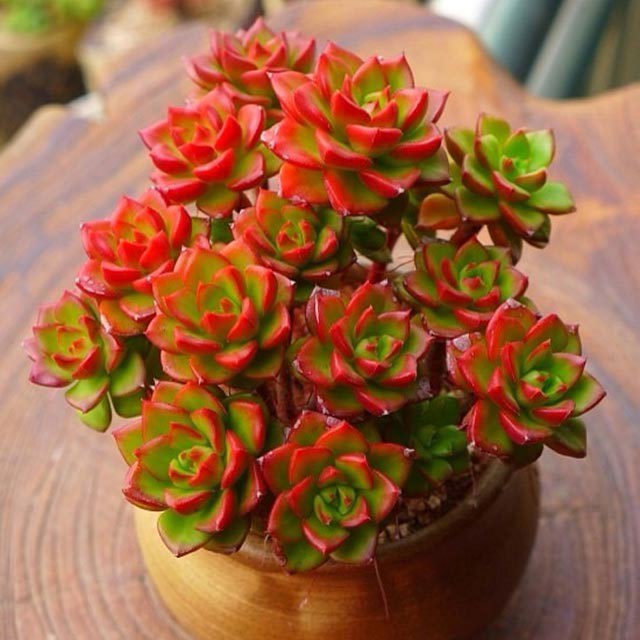
Sedeveria Letizia Drooping Leaves
eco Drooping Leaves

Sedeveria Letizia – Drooping Leaves

Why does your Sedeveria Letizia have drooping leaves? Diagnose the cause and fix it with our step-by-step guide.

search Possible Causes

error

Overwatering and Root Rot

Excessive moisture in the substrate causes anaerobic conditions, leading to fungal pathogens like Phytophthora that decay the root system. When roots rot, they can no longer transport water to the leaves, causing them to go limp despite wet soil.

Very Common
lightbulb
How to confirm: Gently squeeze a leaf; if it feels mushy or translucent rather than just limp, and the soil is damp, it is likely rot.
build How to fix it
shopping_cart Recommended Products
1 Immediately remove the plant from its current pot and trim away any mushy, black, or foul-smelling decayed roots using sterilized tools.
2 Repot the succulent in a well-draining, gritty substrate to ensure oxygen reaches the roots and prevent future anaerobic conditions.
3 Use a moisture meter to monitor the substrate, ensuring you only water when the soil is completely dry to avoid repeat overwatering.
error

Dehydration (Underwatering)

Sedeveria Letizia stores water in its fleshy leaves; when the substrate dries out completely for too long, the plant utilizes its internal reserves, leading to loss of turgor pressure.

Very Common
lightbulb
How to confirm: Check the weight of the pot and feel the substrate deep down to see if it is bone dry.
build How to fix it
shopping_cart Recommended Products
1 Immediately check the soil moisture level using a probe to confirm the depth of dehydration.
2 Thoroughly soak the substrate with water until it is fully saturated, ensuring the water reaches the root zone.
3 Ensure the plant is in a pot with proper drainage to prevent water from pooling, which could lead to rot once rehydrated.
warning

Temperature Stress (Cold Shock)

As a succulent, Letizia is sensitive to sudden drops in temperature. Cold temperatures slow metabolic processes and can cause cell membrane damage, resulting in drooping leaves.

Common
lightbulb
How to confirm: Check if the plant was recently exposed to drafts from windows or night temperatures below 50°F (10°C).
build How to fix it
shopping_cart Recommended Products
1 Immediately move the plant to a warmer, stable environment away from cold drafts or windows to prevent further cell damage.
2 Monitor the soil moisture closely, as cold temperatures can slow evaporation; use a moisture meter to ensure the plant is not sitting in overly wet soil while recovering.
3 Once the plant stabilizes, you can apply a light feeding of seaweed fertilizer to help boost metabolic recovery and stress resilience.
warning

Nutrient Deficiency (Nitrogen)

A lack of available nitrogen prevents the plant from maintaining structural cell walls and chlorophyll levels, which can cause a loss of rigidity in the succulent's leaves.

Common
lightbulb
How to confirm: Observe if the drooping is accompanied by a pale, yellowish discoloration across the entire rosette.
build How to fix it
shopping_cart Recommended Products
1 Apply a nitrogen-rich liquid fertilizer to boost chlorophyll production and restore leaf rigidity.
2 Check the soil moisture levels with a meter to ensure the drooping isn't actually caused by underwatering.
3 Ensure the succulent is in a well-draining substrate to prevent nitrogen lockout caused by overwatering.

Other Sedeveria Letizia problems

Your plant might also be experiencing one of these issues:

local_hospital All symptoms eco All plants with drooping leaves
favorite