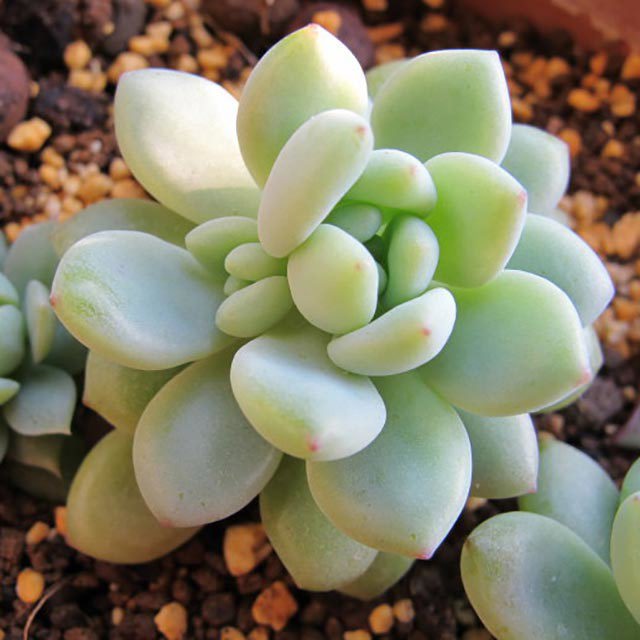
Sedum clavatum Yellow Leaves
eco Yellow Leaves

Sedum clavatum – Yellow Leaves

Why does your Sedum clavatum have yellow leaves? Diagnose the cause and fix it with our step-by-step guide.

pets Pet Friendly

search Possible Causes

error

Overwatering and Root Rot

Sedum clavatum is a succulent that requires well-draining soil; excessive moisture causes the roots to suffocate and decay, leading to chlorosis (yellowing) of the fleshy leaves.

Very Common
lightbulb
How to confirm: Press the base of a yellow leaf to see if it feels mushy or if the stem detaches easily from the base.
build How to fix it
shopping_cart Recommended Products
1 Immediately remove the plant from its current container and trim away any mushy, black, or foul-smelling decayed roots.
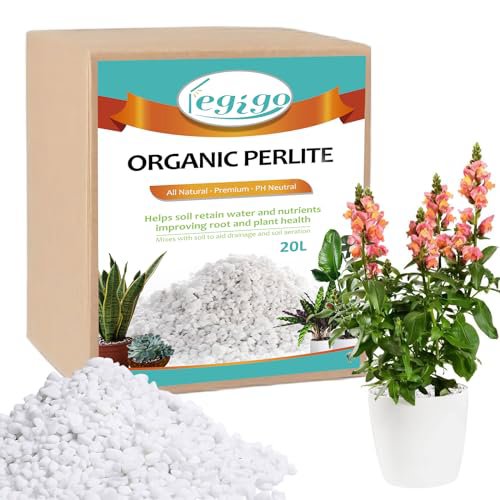
2 Repot the Sedum in a highly porous, well-draining substrate to prevent future moisture retention; adding perlite or clay pebbles is ideal.
3 Ensure the new pot has excellent drainage and use a moisture meter to monitor the soil, allowing it to dry out completely between waterings.
warning

Nutrient Deficiency (Nitrogen)

A lack of nitrogen prevents the plant from producing chlorophyll, causing older leaves to turn yellow before progressing to newer growth.

Common
lightbulb
How to confirm: Check if the yellowing started on the oldest, bottom leaves first while the new tips remain green.
build How to fix it
shopping_cart Recommended Products
1 Apply a nitrogen-rich organic fertilizer to boost chlorophyll production and green up the foliage.
2 Monitor the soil moisture levels using an analog meter to ensure nitrogen uptake isn't being hindered by overwatering.
3 Prune away the most severely yellowed leaves to prevent potential rot and redirect energy to healthy new growth.
warning

Insufficient Light Exposure

As a sun-loving succulent, low light levels can cause the plant to lose its compact shape and develop pale, yellowing foliage as it fails to photosynthesize efficiently.

Common
lightbulb
How to confirm: Observe if the stems are becoming elongated (etiolated) along with the color change.
build How to fix it
shopping_cart Recommended Products
1 Relocate your Sedum to a location with much brighter, direct sunlight to restore photosynthesis and color.
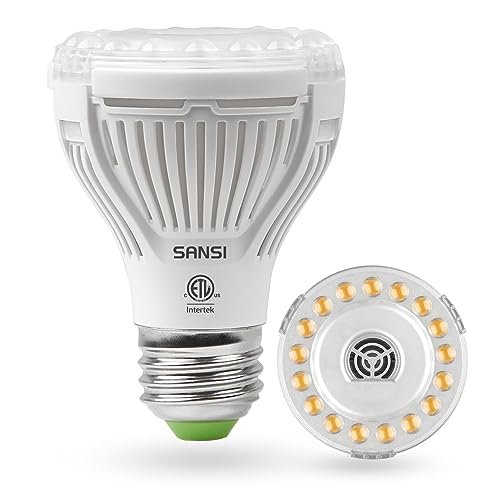
2 Supplement with a full-spectrum grow light to ensure consistent light intensity, especially if indoor light is insufficient.
3 Monitor the soil moisture closely, as low light reduces water evaporation and can lead to root rot if the soil remains too wet.
warning

Temperature Stress/Frost Damage

Extreme temperature fluctuations or sudden frost can damage the cell walls of the succulent's leaves, resulting in a yellow or translucent appearance.

Common
lightbulb
How to confirm: Check if the yellowing coincided with a recent cold snap or exposure to freezing temperatures.
build How to fix it
shopping_cart Recommended Products
1 Move the plant to a sheltered, frost-free location or bring it indoors to a stable environment to prevent further temperature fluctuations.
2 Prune away any mushy or severely translucent leaves to prevent rot and allow the plant to focus energy on healthy growth.
3 Monitor soil moisture closely using a moisture meter to ensure the plant is not overwatered while in a stressed state.

Other Sedum clavatum problems

Your plant might also be experiencing one of these issues:

local_hospital All symptoms eco All plants with yellow leaves
favorite