Sedum lineare variegatum Yellow Leaves
eco Yellow Leaves

Sedum lineare variegatum – Yellow Leaves

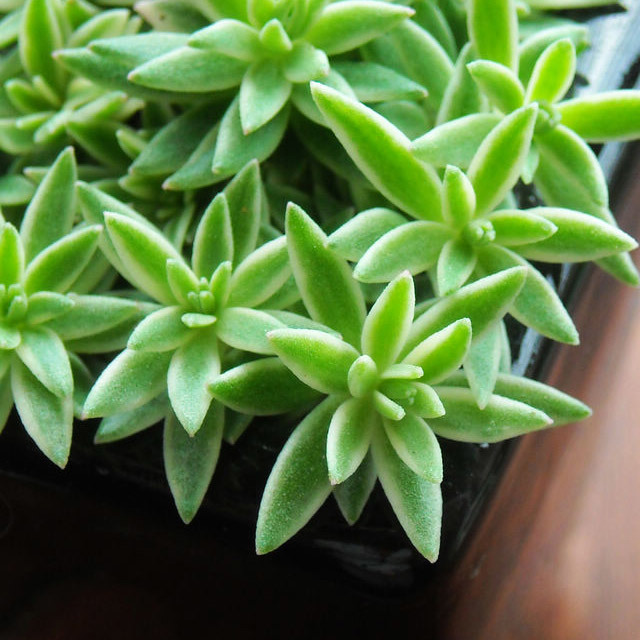
Why does your Sedum lineare variegatum have yellow leaves? Diagnose the cause and fix it with our step-by-step guide.

search Possible Causes

error

Overwatering and Root Rot

Sedum lineare is a succulent that requires well-draining soil; excessive moisture causes the roots to suffocate and rot, leading to systemic yellowing of the foliage. As the root system fails, it can no longer transport water effectively, causing the leaves to lose their characteristic golden variegation.

Very Common
lightbulb
How to confirm: Gently lift the plant from its pot to check if the roots are brown, slimy, or mushy instead of firm and white.
build How to fix it
shopping_cart Recommended Products
1 Immediately remove the plant from its current container and trim away any mushy, black, or foul-smelling roots caused by rot.
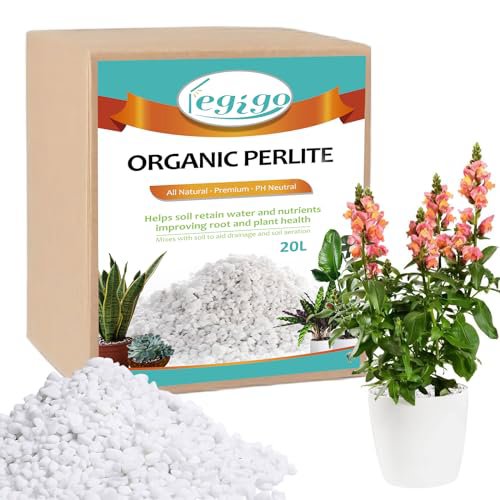
2 Repot the Sedum in a fresh, highly porous substrate to ensure rapid drainage and prevent future moisture retention.
3 Use a moisture meter to monitor the soil, ensuring you only water when the medium is completely dry to avoid suffocating the roots again.
warning

Nutrient Deficiency (Nitrogen)

A lack of nitrogen prevents the plant from producing sufficient chlorophyll, causing older leaves to turn pale yellow before progressing to newer growth. In variegated cultivars like 'Variegatum', this can make the white/cream edges look sickly or translucent.

Common
lightbulb
How to confirm: Observe if the yellowing started on the oldest, bottom leaves first while the rest of the plant remains relatively healthy.
build How to fix it
shopping_cart Recommended Products
1 Apply a nitrogen-rich organic fertilizer to boost chlorophyll production and restore the vibrant variegation.
2 Monitor soil moisture levels with a moisture meter to ensure nitrogen uptake is not being hindered by waterlogged soil.
3 Ensure the plant is receiving adequate sunlight, as insufficient light can exacerbate the appearance of nutrient-related yellowing.
warning

Insufficient Light Exposure

While Sedum can survive in partial shade, 'Sedum lineare variegatum' requires bright light to maintain its golden color and structural integrity. Insufficient light causes the plant to become etiolated (stretched) and the leaves to lose their pigment, turning a dull yellow-green.

Common
lightbulb
How to confirm: Check if the stems are becoming unusually long, thin, and weak compared to previous growth seasons.
build How to fix it
shopping_cart Recommended Products
1 Move your Sedum to a location that receives bright, direct sunlight or very strong indirect light to restore its golden variegation.
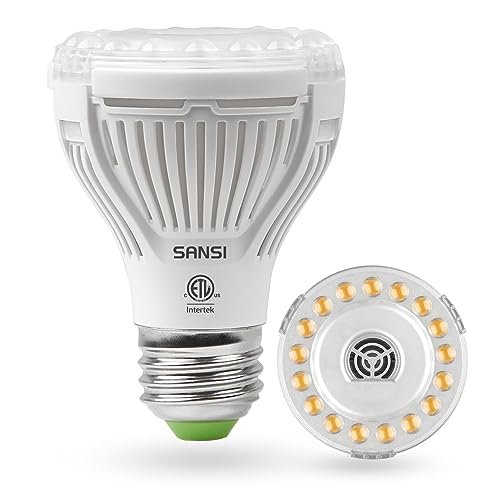
2 If natural light is insufficient, supplement with a full-spectrum grow light to provide the necessary intensity for pigment retention.
3 Monitor the soil moisture closely, as plants in lower light require less frequent watering to prevent root rot.
warning

Temperature Stress (Cold Damage)

Extreme cold or sudden frost can damage the cell walls of this succulent, leading to yellowing or translucent patches on the leaves. If the plant is exposed to temperatures below freezing without protection, the metabolic processes halt, resulting in rapid yellowing.

Common
lightbulb
How to confirm: Check if the yellowing occurred immediately following a period of nighttime temperatures near or below 32°F (0°C).
build How to fix it
shopping_cart Recommended Products
1 Move the plant to a warmer, sheltered location away from cold drafts or freezing temperatures to prevent further cell damage.
2 Monitor soil moisture closely using a moisture meter to ensure the plant is not being overwatered while in a dormant, cold-stressed state.
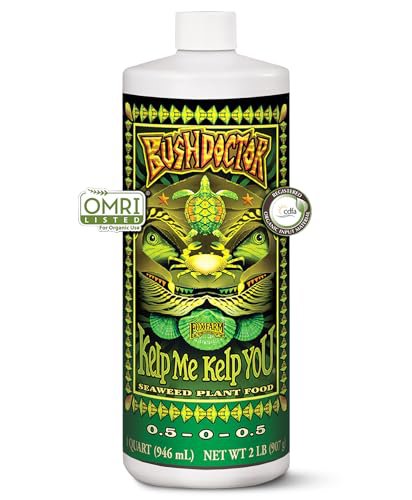
3 Once the plant stabilizes in warmer temperatures, apply a light feeding of seaweed fertilizer to help stimulate recovery and nutrient uptake.

Other Sedum lineare variegatum problems

Your plant might also be experiencing one of these issues:

local_hospital All symptoms eco All plants with yellow leaves
favorite