Sedum makinoi Yellow Leaves
eco Yellow Leaves

Sedum makinoi – Yellow Leaves

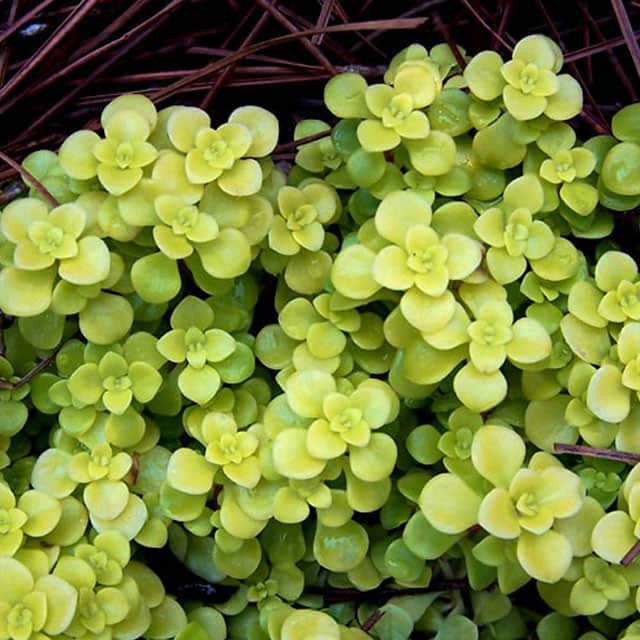
Why does your Sedum makinoi have yellow leaves? Diagnose the cause and fix it with our step-by-step guide.

pets Pet Friendly

search Possible Causes

error

Overwatering and Root Rot

Sedum makinoi is a succulent that stores water in its fleshy leaves; constant moisture prevents necessary gas exchange for the roots, leading to fungal decay and yellowing. This is the most common cause of foliage discoloration in this species.

Very Common
lightbulb
How to confirm: Gently squeeze a stem to see if it feels mushy or check if the substrate remains wet long after watering.
build How to fix it
shopping_cart Recommended Products
1 Immediately remove the plant from its current container and trim away any mushy, black, or foul-smelling roots caused by decay.
2 Repot the Sedum in a well-draining, gritty substrate to ensure oxygen reaches the roots and prevent future waterlogging.
3 Use a moisture meter to monitor the soil and ensure you only water when the medium is completely dry to the touch.
warning

Nitrogen Deficiency

A lack of available nitrogen prevents the plant from producing chlorophyll, causing older leaves to turn pale yellow before progressing to newer growth. This often occurs in depleted or overly sandy soils where nutrients leach quickly.

Common
lightbulb
How to confirm: Observe if the yellowing starts on the bottom-most leaves and progresses upward through the plant.
build How to fix it
shopping_cart Recommended Products
1 Apply a nitrogen-rich organic fertilizer to replenish the soil nutrients and restore chlorophyll production.
2 Amend your existing soil with organic matter like worm castings to improve nutrient retention and prevent future leaching.
3 Monitor soil moisture levels regularly to ensure that overwatering isn't causing nutrients to wash away from the root zone.
warning

Sunscald or Heat Stress

While Sedum makinoi enjoys bright light, sudden exposure to intense, direct midday sun can bleach the chlorophyll, resulting in yellow or bleached patches on the leaves. This is particularly common after moving a plant from a shaded area to a sunny spot.

Common
lightbulb
How to confirm: Check if the yellowing is localized to the parts of the leaves directly facing the light source.
build How to fix it
shopping_cart Recommended Products
1 Move the plant to a location with bright, indirect light or filtered sunlight to prevent further chlorophyll bleaching from intense midday sun.
2 Monitor soil moisture levels closely, as heat stress can lead to rapid dehydration; use a moisture meter to ensure the soil remains consistently moist but not waterlogged.
3 If the plant is in a particularly hot environment, consider using a pebble tray or saucer to increase local humidity around the foliage.
warning

Temperature Extremes (Cold Stress)

As a sub-tropical succulent, extreme drops in temperature can shock the plant's metabolic processes, causing the leaves to lose their golden hue and turn yellow. This is common if the plant is exposed to frost or sudden cold drafts.

Common
lightbulb
How to confirm: Check if the yellowing coincided with a recent drop in nighttime temperatures or exposure to air conditioning vents.
build How to fix it
shopping_cart Recommended Products
1 Move the plant to a stable, warmer environment away from cold drafts or windows to prevent further metabolic shock.
2 Monitor soil moisture closely using a moisture meter to ensure the plant is not being overwatered while in a stressed, dormant-like state.
3 Once the temperature stabilizes, apply a light feeding of liquid seaweed to help the plant recover from environmental stress.

Other Sedum makinoi problems

Your plant might also be experiencing one of these issues:

local_hospital All symptoms eco All plants with yellow leaves
favorite