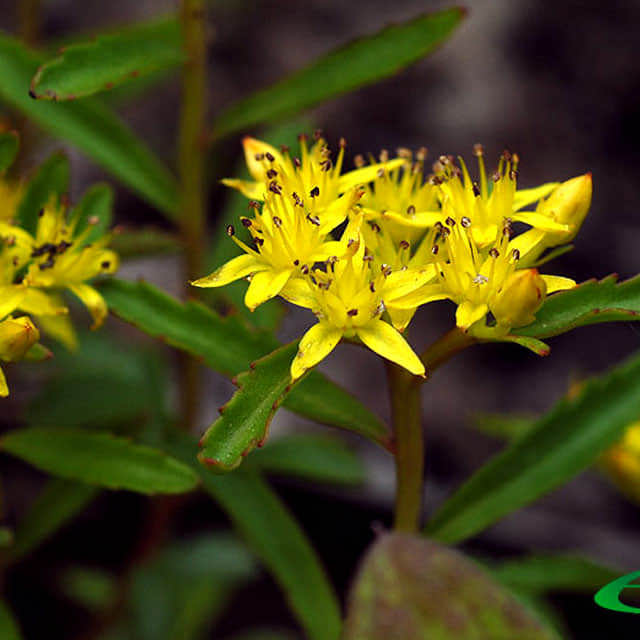
Sedum middendorffianum Yellow Leaves
eco Yellow Leaves

Sedum middendorffianum – Yellow Leaves

Why does your Sedum middendorffianum have yellow leaves? Diagnose the cause and fix it with our step-by-step guide.

pets Pet Friendly

search Possible Causes

error

Overwatering and Root Rot

As a succulent adapted to rocky, well-drained alpine environments, Sedum middendorffianum is highly susceptible to fungal pathogens like Phytophthora when soil remains saturated. Excess moisture suffocates the roots, leading to systemic yellowing of the fleshy leaves.

Very Common
lightbulb
How to confirm: Gently squeeze a stem; if it feels mushy and the yellowing is accompanied by a foul smell, root rot is likely.
build How to fix it
shopping_cart Recommended Products
1 Immediately remove the plant from its current container and trim away any mushy, blackened, or dead roots to prevent further spread of rot.
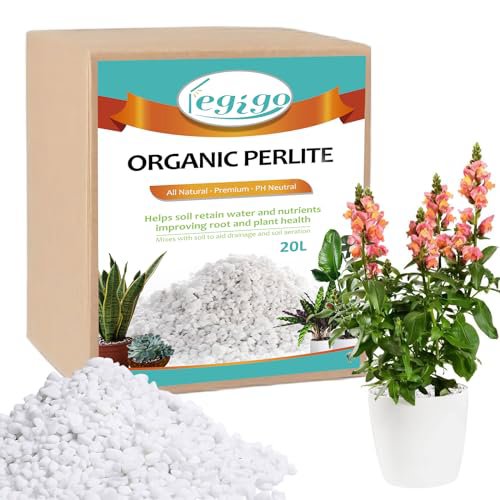
2 Repot the Sedum in a highly porous, well-draining medium by mixing organic perlite or horticultural grit into your potting soil to ensure rapid drainage.
3 Use a moisture meter to monitor the soil, ensuring you only water when the substrate is completely dry to prevent future overwatering.
warning

Nutrient Deficiency (Nitrogen)

In low-nutrient alpine substrates, a lack of nitrogen can cause older leaves to lose their chlorophyll and turn pale yellow. This typically manifests as a progression from the bottom of the plant upwards.

Common
lightbulb
How to confirm: Observe if the new growth remains green while only the oldest, lowest leaves are turning yellow.
build How to fix it
shopping_cart Recommended Products
1 Apply a nitrogen-rich organic fertilizer to boost chlorophyll production and restore green color to the leaves.
2 Check the soil moisture levels using a moisture meter to ensure the nitrogen is being effectively absorbed and not being washed away by overwatering.
3 Amend the existing substrate with a nitrogen-rich organic matter like worm castings to provide a slow-release nutrient source.
warning

Sunlight Stress (Photo-oxidation)

While this species loves light, an extreme, sudden increase in UV intensity without acclimation can cause chlorophyll degradation. This often results in a yellowish or bleached appearance on the surfaces most exposed to the sun.

Common
lightbulb
How to confirm: Check if the yellowing is concentrated strictly on the side of the plant facing the window or direct light source.
build How to fix it
shopping_cart Recommended Products
1 Gradually move the plant to a location with filtered sunlight or dappled shade to allow the foliage to acclimate to lower UV intensity.
2 Monitor the plant's hydration levels using a moisture meter to ensure the stress isn't being compounded by dehydration during heat exposure.
3 Apply a light feeding of seaweed fertilizer to help the plant recover from environmental stress and boost nutrient uptake.
warning

Temperature Fluctuations

Extreme cold snaps or sudden heatwaves can shock the metabolic processes of this alpine species. Such thermal stress disrupts photosynthesis, leading to temporary chlorosis (yellowing) as the plant enters a defensive state.

Common
lightbulb
How to confirm: Review recent environmental changes, such as exposure to frost or placement near a heating vent.
build How to fix it
shopping_cart Recommended Products
1 Stabilize the plant's environment by moving it away from drafty windows or direct heat vents to prevent further thermal shock.
2 Apply a microbial-based fertilizer to help the plant recover from environmental stress and strengthen the root zone.
3 Monitor soil moisture closely during temperature shifts to ensure the roots do not suffer from waterlogged or desiccated conditions.

Other Sedum middendorffianum problems

Your plant might also be experiencing one of these issues:

local_hospital All symptoms eco All plants with yellow leaves
favorite