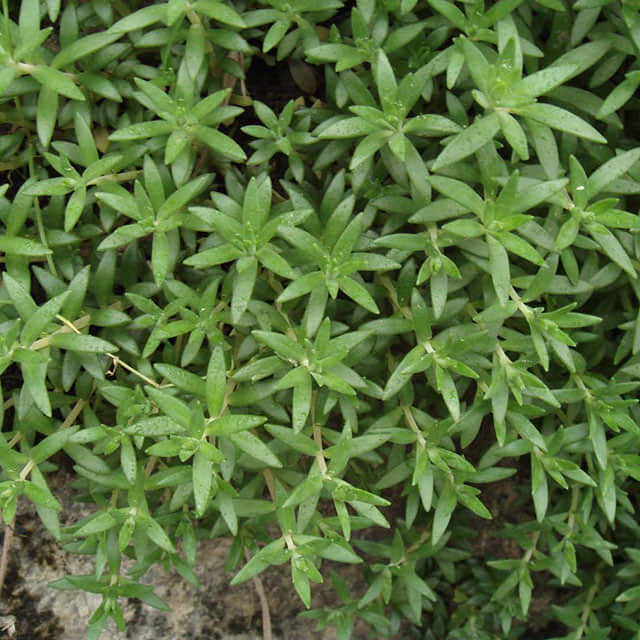
Sedum sarmentosum Fine Webbing
eco Fine Webbing

Sedum sarmentosum – Fine Webbing

Why does your Sedum sarmentosum have fine webbing? Diagnose the cause and fix it with our step-by-step guide.

search Possible Causes

error

Two-Spotted Spider Mite Infestation

Spider mites thrive in the warm, dry conditions often experienced by Sedum sarmentosum. They pierce plant cells to feed on sap, leaving behind fine silken webs and causing the succulent leaves to turn pale or develop small stippling.

Very Common
lightbulb
How to confirm: Hold a white piece of paper under a stem and tap it sharply to see if tiny crawling specks fall onto the paper.
build How to fix it
shopping_cart Recommended Products
1 Immediately spray the plant with an organic miticide to eliminate the spider mite population and destroy any remaining eggs.
2 Increase humidity and reduce heat by misting the foliage regularly, as spider mites thrive in dry environments.
3 Use a moisture meter to ensure the soil remains consistently moist but not waterlogged, preventing the dry conditions that trigger infestations.
warning

Tetranychus urticae (European Red Spider Mite)

A specific subspecies of mite that is highly aggressive on creeping succulents. High density of webbing often indicates a long-term infestation that has reached a level where the mites are building communal webs for protection.

Common
lightbulb
How to confirm: Examine the undersides of the fleshy leaves for tiny red or orange dots which indicate active mite movement.
build How to fix it
shopping_cart Recommended Products
1 Isolate the plant immediately to prevent the mites from spreading to other succulents and spray the foliage thoroughly with an organic miticide to kill existing mites and larvae.
2 Gently wipe the leaves with a damp cloth to physically remove the dense webbing and any remaining mite clusters.
3 Monitor soil moisture levels closely, as spider mites thrive in dry, dusty environments; use a moisture meter to ensure the plant stays hydrated without overwatering.
warning

Low Humidity Stress with Secondary Pest Attraction

While not a direct cause of webbing, extremely dry air can weaken the Sedum's cuticle, making it more susceptible to mite colonization. The web is a symptom of the mites, but the environmental driver is lack of humidity.

Common
lightbulb
How to confirm: Monitor if the webbing appears most prominently in areas with poor air circulation or near heating vents.
build How to fix it
shopping_cart Recommended Products
1 Treat the plant with an organic miticide/insecticide to eliminate the spider mite population causing the webbing.
2 Increase local humidity around the Sedum to strengthen the plant's natural defenses and prevent future mite colonization.
3 Monitor soil moisture levels to ensure the plant is not experiencing additional drought stress.

Other Sedum sarmentosum problems

Your plant might also be experiencing one of these issues:

local_hospital All symptoms eco All plants with fine webbing
favorite