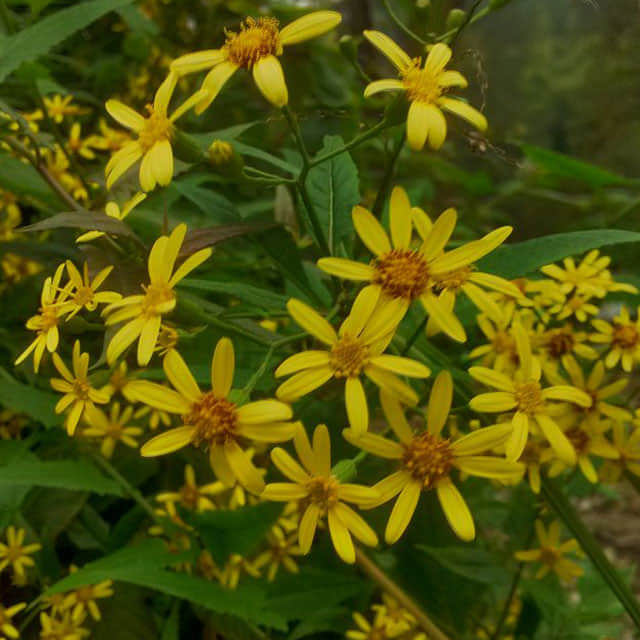
Senecio hallianus Sudden Leaf Drop
eco Sudden Leaf Drop

Senecio hallianus – Sudden Leaf Drop

Why does your Senecio hallianus have sudden leaf drop? Diagnose the cause and fix it with our step-by-step guide.

search Possible Causes

error

Overwatering and Root Rot

Senecio hallianus is a succulent-type plant that is highly susceptible to fungal pathogens like Phytophthora when soil remains saturated. Excess moisture causes root decay, which prevents the plant from transporting water to its leaves, triggering emergency leaf abscission.

Very Common
lightbulb
How to confirm: Gently lift the plant from its pot to check if the roots are dark, slimy, or emit a foul odor.
build How to fix it
shopping_cart Recommended Products
1 Immediately remove the plant from its current container and inspect the roots for any mushy, black, or foul-smelling decay; prune away all rot using sterilized shears.
2 Repot the plant in a well-draining, gritty substrate specifically designed for succulents, and ensure the new pot has adequate drainage holes.
3 Use a soil moisture meter to monitor the substrate, ensuring you only water when the top several inches of soil are completely dry to prevent future saturation.
error

Temperature Shock (Cold Stress)

This species is not frost-hardy and can react to sudden drops in temperature by dropping foliage. Exposure to temperatures below 50°F (10°C) causes physiological stress that disrupts the plant's metabolic processes.

Very Common
lightbulb
How to confirm: Check if the leaf drop coincided with a recent cold snap or if the plant is near a drafty window.
build How to fix it
shopping_cart Recommended Products
1 Immediately move the plant to a warmer, stable environment, ensuring temperatures remain consistently above 50°F (10°C).
2 Avoid placing the plant near cold drafts, windows, or air conditioning vents to prevent further metabolic disruption.
3 Monitor soil moisture closely with a meter to ensure the plant is not overwatered while in a stressed, non-growing state.
warning

Spider Mite Infestation

Two-spotted spider mites thrive in the dry, warm environments often preferred by Senecio. They pierce individual cells to feed on sap, which causes the plant to shed leaves as it loses its ability to photosynthesize.

Common
lightbulb
How to confirm: Inspect the undersides of the remaining leaves for tiny webbing or microscopic moving dots.
build How to fix it
shopping_cart Recommended Products
1 Isolate the plant immediately and spray the foliage thoroughly with an organic miticide to kill existing mites and eggs.
2 Increase local humidity by using a fine mist spray to create an environment less favorable to spider mite reproduction.
3 Monitor soil moisture levels to ensure the plant is not also suffering from drought stress, which can exacerbate leaf drop.
warning

Nutrient Deficiency (Nitrogen)

A lack of available nitrogen prevents the plant from maintaining chlorophyll levels in its fleshy leaves. As the plant mobilizes remaining nutrients to new growth, older leaves are shed prematurely.

Common
lightbulb
How to confirm: Observe if the leaves turning yellow before dropping are specifically the older, lower leaves on the stem.
build How to fix it
shopping_cart Recommended Products
1 Apply a nitrogen-rich liquid fertilizer to boost chlorophyll production and stop the mobilization of nutrients from older leaves.
2 Check the soil moisture levels with a meter to ensure the nitrogen is being effectively absorbed and not being washed away by overwatering.
3 Prune any completely yellowed or dead stems to prevent rot and encourage the plant to focus energy on new, healthy growth.

Other Senecio hallianus problems

Your plant might also be experiencing one of these issues:

local_hospital All symptoms eco All plants with sudden leaf drop
favorite