Senecio macroglossus Sudden Leaf Drop
eco Sudden Leaf Drop

Senecio macroglossus – Sudden Leaf Drop

Why does your Senecio macroglossus have sudden leaf drop? Diagnose the cause and fix it with our step-by-step guide.

search Possible Causes

error

Environmental Shock (Temperature or Light)

As a tropical species, Senecio macroglossus is highly sensitive to sudden changes in environment. A rapid drop in temperature or moving the plant from shade to direct harsh sunlight can trigger an immediate defense mechanism resulting in leaf abscission.

Very Common
lightbulb
How to confirm: Check if there has been a recent change in room position or a significant cold draft near the plant.
build How to fix it
shopping_cart Recommended Products
1 Immediately stabilize the environment by moving the plant to a spot with consistent, indirect light and avoiding any cold drafts or sudden temperature fluctuations.
2 Monitor the soil moisture closely to ensure the plant is not overwatered while it is in a stressed state; use a moisture meter to prevent root rot.
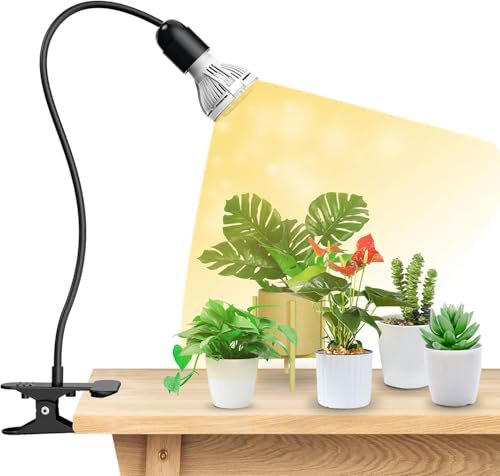
3 If the plant is in a low-light area, provide supplemental light using a full-spectrum grow light to aid recovery without the stress of direct sun.
error

Overwatering and Root Hypoxia

Excessive moisture causes the roots of this succulent-like vine to suffocate from lack of oxygen, leading to root rot. As the root system fails to transport water, the plant sheds leaves rapidly to reduce transpiration.

Very Common
lightbulb
How to confirm: Stick your finger deep into the substrate; if it is soggy or smells musty, overwatering is likely.
build How to fix it
shopping_cart Recommended Products
1 Immediately check the soil moisture levels using a meter to confirm if the root zone is saturated.
2 Repot the plant in a well-draining, gritty substrate like a mix containing perlite or clay pebbles to restore oxygen to the roots.
3 Ensure the plant is in a pot with excellent drainage and use a saucer to prevent water from pooling at the base.
warning

Water Stress (Dehydration)

While they prefer some moisture, letting the soil dry out completely for too long causes the fleshy leaves of the Sweetheart Vine to lose turgor pressure. The plant drops leaves to conserve internal water reserves during drought.

Common
lightbulb
How to confirm: Observe if the remaining stems feel slightly shriveled or if the soil is bone-dry several inches below the surface.
build How to fix it
shopping_cart Recommended Products
1 Immediately check the soil moisture level using a probe to determine if the root zone is completely desiccated.
2 Thoroughly soak the soil with water until it drains from the bottom, ensuring the root ball is fully rehydrated.
3 To prevent future dehydration, monitor the soil regularly and ensure the plant is not sitting in a saucer of stagnant water, which can lead to rot after a drought period.
warning

Pest Infestation (Scale or Spider Mites)

Small sap-sucking insects can drain the vitality of the vine's stems, causing systemic stress. Severe infestations interrupt the flow of nutrients, leading to sudden foliage loss.

Common
lightbulb
How to confirm: Inspect the undersides of remaining leaves and the junctions of the stems for tiny moving dots or waxy bumps.
build How to fix it
shopping_cart Recommended Products
1 Inspect the undersides of leaves and stems for small, scale-like bumps or fine webbing to confirm the presence of pests.
2 Apply an organic insecticide spray to the entire plant, ensuring thorough coverage of stems and leaf undersides to eliminate insects and larvae.
3 Isolate the plant from other greenery to prevent the infestation from spreading to your other houseplants.

Other Senecio macroglossus problems

Your plant might also be experiencing one of these issues:

local_hospital All symptoms eco All plants with sudden leaf drop
favorite