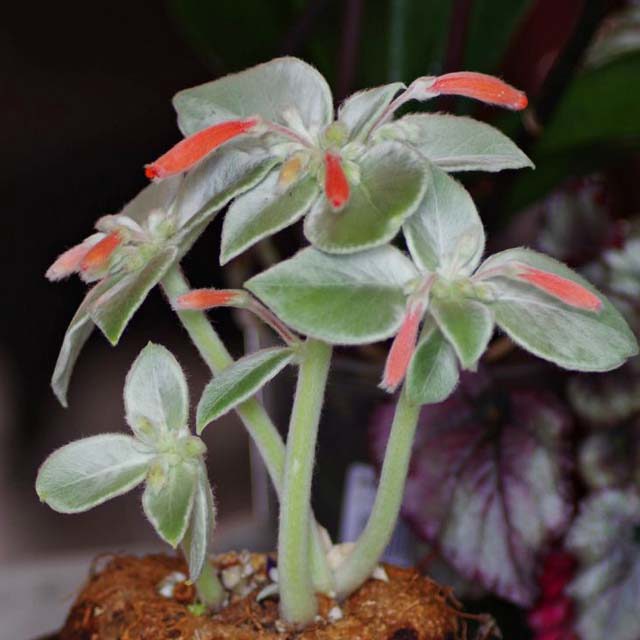
Sinningia leucotricha Tiny Black Flies
eco Tiny Black Flies

Sinningia leucotricha – Tiny Black Flies

Why does your Sinningia leucotricha have tiny black flies? Diagnose the cause and fix it with our step-by-step guide.

search Possible Causes

error

Fungus Gnats (Sciarid Flies)

The tiny black flies are likely fungus gnats, whose larvae thrive in the moist organic matter of Sinningia soil. They feed on decaying roots and fungi, often appearing when the rhizome-bearing substrate stays too damp for too long.

Very Common
lightbulb
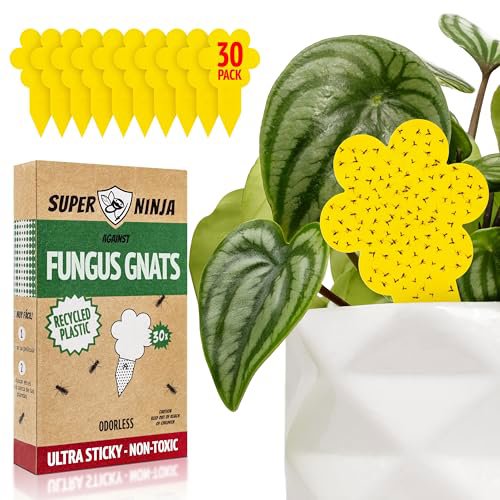
How to confirm: Set a yellow sticky trap near the pot to confirm the presence of flying adults.
build How to fix it
shopping_cart Recommended Products
1 Reduce watering frequency and allow the top inch of soil to dry out completely to disrupt the larvae's moist habitat.
2 Deploy yellow sticky traps to capture the adult flying gnats and prevent further reproduction.
3 Apply a biological control or organic insecticide to target the larvae and adults effectively.
error

Root Rot (Pythium or Phytophthora)

The presence of flies often coincides with high humidity and moisture, which triggers rot in the Sinningia rhizome. As the rhizome decays, it provides a perfect breeding ground for fungus gnat larvae.

Very Common
lightbulb
How to confirm: Gently lift the plant to check if the base of the rhizome feels mushy or smells fermented.
build How to fix it
shopping_cart Recommended Products
1 Immediately inspect the rhizome for mushy, dark areas and remove any decayed tissue using sterilized tools to stop the spread of rot.
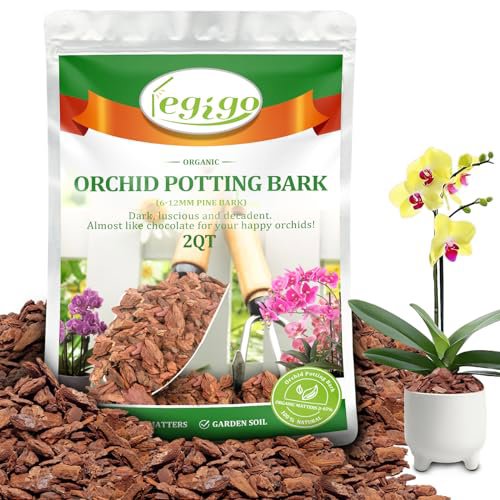
2 Repot the plant in a fresh, highly aerated medium like a mix of orchid bark and perlite to ensure the rhizome stays dry and oxygenated.
3 Deploy yellow sticky traps to capture the adult flies and prevent them from laying more eggs in the moist soil.
warning

Black Bean Aphids

While less likely to be 'flying' around the room, tiny black insects on a Sinningia can be aphids. They cluster on the underside of the fuzzy leaves and suck sap, which can lead to secondary fungal growth that attracts flies.

Common
lightbulb
How to confirm: Inspect the undersides of the silver-haired leaves for clusters of small, stationary black dots.
build How to fix it
shopping_cart Recommended Products
1 Treat the plant with an organic insecticide spray to eliminate the aphid population and prevent further sap-sucking damage.
2 Place yellow sticky traps near the plant to capture any flying adults and monitor for new infestations.
3 Gently wipe the underside of the fuzzy leaves with a damp cloth to physically remove aphid clusters and debris.

Other Sinningia leucotricha problems

Your plant might also be experiencing one of these issues:

local_hospital All symptoms eco All plants with tiny black flies
favorite