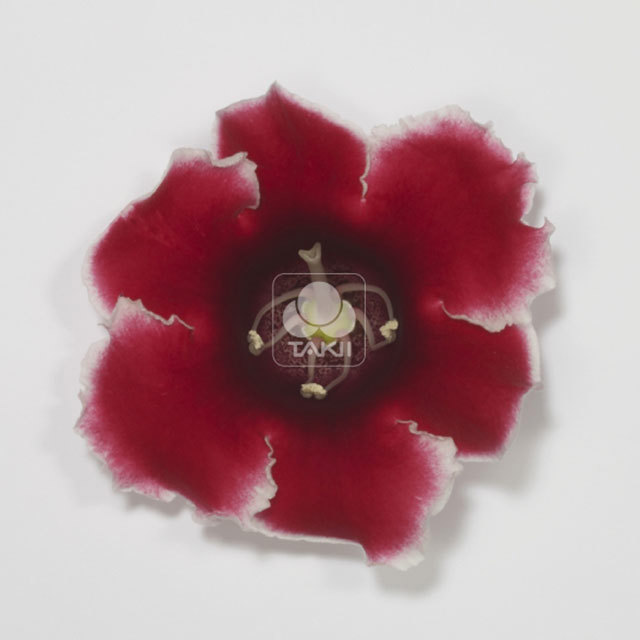
Sinningia speciosa Empress Red Picotee White Powder
eco White Powder

Sinningia speciosa Empress Red Picotee – White Powder

Why does your Sinningia speciosa Empress Red Picotee have white powder? Diagnose the cause and fix it with our step-by-step guide.

search Possible Causes

error

Powdery Mildew

This fungal disease is common in Gesneriads when humidity is high but air circulation is poor. It presents as a white, flour-like coating on the leaves and can eventually cause foliage to wilt or die.

Very Common
lightbulb
How to confirm: Inspect if the white spots can be rubbed off with your finger, leaving a pale patch underneath.
build How to fix it
shopping_cart Recommended Products
1 Immediately treat the affected foliage with an organic fungicide to stop the spread of the fungal spores.
2 Improve air circulation around the plant and reduce humidity levels to create an environment less hospitable to mildew.
3 Prune and dispose of any heavily infected leaves to prevent the fungus from spreading to healthy parts of the plant.
warning

Mealybug Infestation

Mealybugs are small, soft-bodied insects that secrete a white, waxy substance to protect themselves. They tend to hide in the leaf axils and crevices of the Gloxinia plant.

Common
lightbulb
How to confirm: Use a magnifying glass to check the undersides of leaves and stem junctions for tiny, moving white clusters.
build How to fix it
shopping_cart Recommended Products
1 Isolate the plant immediately to prevent the mealybugs from spreading to your other houseplants.
2 Treat the infestation by spraying the plant with an organic insecticide to kill the insects and their waxy coating.
3 Gently wipe away visible white waxy clusters from leaf axils using a cotton swab dipped in isopropyl alcohol.
warning

Mineral/Salt Deposits

Excessive buildup of salts from tap water or fertilizers can crystallize on the leaf surface as water evaporates. This often looks like a fine, crusty white dust rather than a fuzzy growth.

Common
lightbulb
How to confirm: Check if the white powder is more prevalent near the edges of leaves or if you have recently over-fertilized the plant.
build How to fix it
shopping_cart Recommended Products
1 Gently wipe the leaves with a soft, damp cloth to remove the crystallized salt deposits from the leaf surface.
2 Flush the soil thoroughly with distilled or rainwater to leach out accumulated mineral salts from the root zone.
3 Switch to using a high-quality water meter to monitor moisture levels and prevent the over-fertilization that leads to salt buildup.
local_hospital All symptoms eco All plants with white powder
favorite



