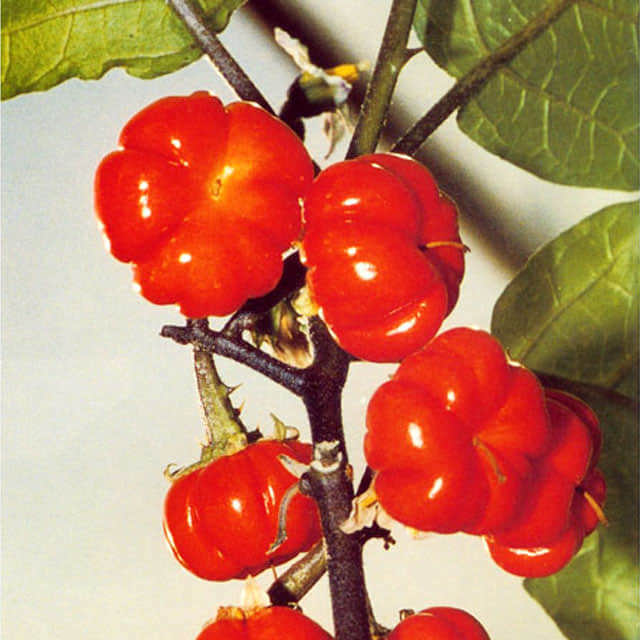
Solanum aethiopicum Sudden Leaf Drop
eco Sudden Leaf Drop

Solanum aethiopicum – Sudden Leaf Drop

Why does your Solanum aethiopicum have sudden leaf drop? Diagnose the cause and fix it with our step-by-step guide.

search Possible Causes

error

Water Stress (Overwatering or Drought)

Solanum aethiopicum is sensitive to extreme fluctuations in soil moisture. Sudden leaf drop is often a defensive mechanism used by the plant to reduce transpiration when roots are suffocating from waterlogging or desiccating from lack of water.

Very Common
lightbulb
How to confirm: Stick your finger two inches into the soil; if it is saturated and smelly, it is overwatering; if it is bone dry and pulling away from the pot, it is drought.
build How to fix it
shopping_cart Recommended Products
1 Check the soil moisture level immediately by inserting a probe into the substrate to determine if the roots are waterlogged or desiccated.
2 If the soil is soggy, repot the plant in a well-draining medium enriched with perlite to improve aeration and prevent root rot.
3 If the soil is bone dry, thoroughly soak the substrate and ensure the plant is placed in a stable environment to prevent further transpiration stress.
error

Temperature Shock

As a tropical species, Ethiopian Eggplant is highly susceptible to sudden drops in temperature or frost. Cold stress disrupts metabolic processes, causing the plant to shed older leaves rapidly to protect the core.

Very Common
lightbulb
How to confirm: Check if there was a recent cold snap or if the plant is sitting in a drafty area near a window or AC vent.
build How to fix it
shopping_cart Recommended Products
1 Immediately move the plant to a warmer, draft-free environment to stabilize its temperature and prevent further metabolic disruption.
2 Monitor the soil moisture closely to ensure the plant is not overwatered while in a stressed state, using a moisture meter for accuracy.
3 Apply a microbial-based liquid fertilizer to support root zone recovery and help the plant rebuild its strength after the shock.
warning

Fungal Root Rot (e.g., Phytophthora or Fusarium)

Pathogenic fungi in warm, moist soil can attack the root system of Solanum species, preventing the uptake of water and nutrients. This systemic failure manifests as rapid wilting followed by leaf abscission.

Common
lightbulb
How to confirm: Gently lift the plant from its container to inspect if the roots are dark, slimy, or have a foul odor.
build How to fix it
shopping_cart Recommended Products
1 Immediately remove the plant from its current container and inspect the roots for mushy, dark, or foul-smelling decay.
2 Repot the plant in a fresh, sterile, well-draining medium and ensure the new pot has excellent drainage to prevent water pooling.
3 Apply a fungicide treatment to the soil to combat remaining fungal pathogens and prevent further spread.
warning

Nutrient Deficiency (Nitrogen)

A severe lack of nitrogen prevents the plant from maintaining chlorophyll levels in older leaves. In extreme cases, the plant will undergo senescence, dropping lower leaves to redirect remaining nitrogen to new growth.

Common
lightbulb
How to confirm: Observe if the dropped leaves were specifically the older, bottom leaves and if they turned yellow before falling.
build How to fix it
shopping_cart Recommended Products
1 Apply a nitrogen-rich liquid fertilizer to provide immediate nutrient uptake and stop the progression of leaf senescence.
2 Supplement the soil with an organic nitrogen source like blood meal to ensure a sustained release of nutrients for new growth.
3 Monitor soil moisture levels using a moisture meter to ensure the plant is not experiencing secondary stress from overwatering.
local_hospital All symptoms eco All plants with sudden leaf drop
favorite