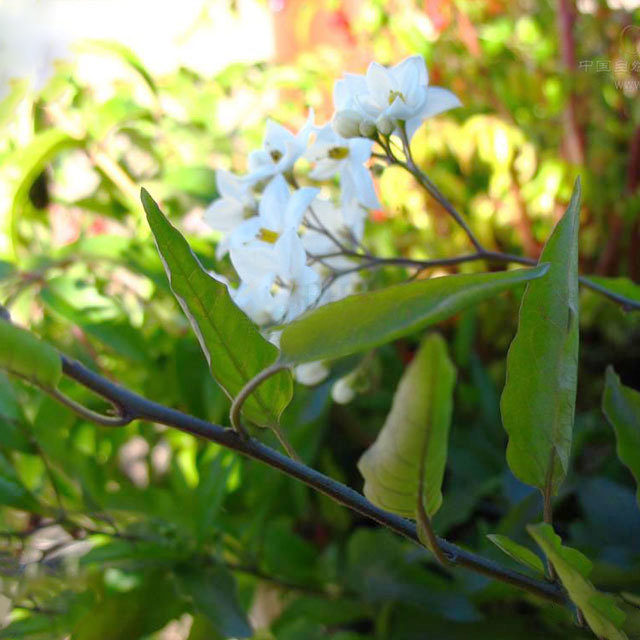
Solanum laxum Drooping Leaves
eco Drooping Leaves

Solanum laxum – Drooping Leaves

Why does your Solanum laxum have drooping leaves? Diagnose the cause and fix it with our step-by-step guide.

search Possible Causes

error

Underwatering/Drought Stress

As a vigorous climber, Solanum laxum has high transpiration rates. When soil moisture is insufficient, the plant loses turgor pressure in its foliage to conserve water, causing visible wilting.

Very Common
lightbulb
How to confirm: Stick your finger one inch into the soil; if it feels bone dry, the plant requires immediate watering.
build How to fix it
shopping_cart Recommended Products
1 Immediately check the soil moisture level at the root zone to confirm the depth of the drought.
2 Thoroughly water the plant until water drains from the bottom of the pot, ensuring the entire root ball is saturated.
3 To prevent future drought stress, consider using a self-watering system or a moisture-retaining substrate like coco coir.
error

Root Rot (Overwatering)

Excessive moisture in the substrate leads to anaerobic conditions, causing fungal pathogens like Phytophthora to attack the roots. This prevents the vine from transporting water to the leaves, resulting in drooping despite wet soil.

Very Common
lightbulb
How to confirm: Check if the soil is soggy and inspect the roots for a dark, slimy texture and unpleasant odor.
build How to fix it
shopping_cart Recommended Products
1 Immediately stop watering and allow the soil to dry out completely. Use a moisture meter to monitor the substrate and ensure the root zone is no longer saturated.
2 Repot the plant in a fresh, well-draining medium. Mix in perlite or horticultural perlite to improve aeration and prevent future anaerobic conditions.
3 Inspect the roots for mushy, dark brown decay. Trim away any rotted sections using sterilized shears to prevent the spread of fungal pathogens.
warning

Temperature Stress (Heat Scorching)

Solanum species are sensitive to extreme temperature fluctuations. Intense direct sunlight or heatwaves can cause the leaves to wilt as a physiological defense mechanism against transpiration loss.

Common
lightbulb
How to confirm: Observe if the drooping occurs primarily during the hottest part of the day and recovers in the evening.
build How to fix it
shopping_cart Recommended Products
1 Move the plant to a shaded or cooler location to protect it from intense direct sunlight and heatwaves.
2 Monitor soil hydration levels closely to ensure the plant isn't also suffering from dehydration during the heat stress.
3 Apply a liquid seaweed fertilizer to help the plant recover from environmental stress and boost resilience.
warning

Fusarium Wilt

This soil-borne fungal pathogen invades the vascular system of Solanum species, clogging the xylem. This physical blockage prevents water from reaching the upper leaves of the vine.

Common
lightbulb
How to confirm: Look for yellowing (chlorosis) that starts on older leaves and progresses upward along one side of the stem.
build How to fix it
shopping_cart Recommended Products
1 Remove and destroy any heavily infected plant material immediately to prevent the fungus from spreading to healthy plants in your garden.
2 Sterilize all pruning tools with alcohol after use to avoid spreading soil-borne pathogens between plants.
3 Improve soil drainage and aeration by incorporating perlite or coarse sand into the potting medium to reduce the moisture levels that favor fungal growth.
local_hospital All symptoms eco All plants with drooping leaves
favorite