Solanum lycopersicum Motto F1 Tiny Black Flies
eco Tiny Black Flies

Solanum lycopersicum Motto F1 – Tiny Black Flies

Why does your Solanum lycopersicum Motto F1 have tiny black flies? Diagnose the cause and fix it with our step-by-step guide.

search Possible Causes

error

Fungus Gnats (Sciaridae)

These tiny flies breed in the moist organic matter of the tomato's potting soil. While the adults are a nuisance, their larvae feed on organic matter and can damage the fine feeder roots of your Motto F1 plant.

Very Common
lightbulb
How to confirm: Set up a yellow sticky trap near the base of the plant to confirm if small, dark flies are being attracted to it.
build How to fix it
shopping_cart Recommended Products
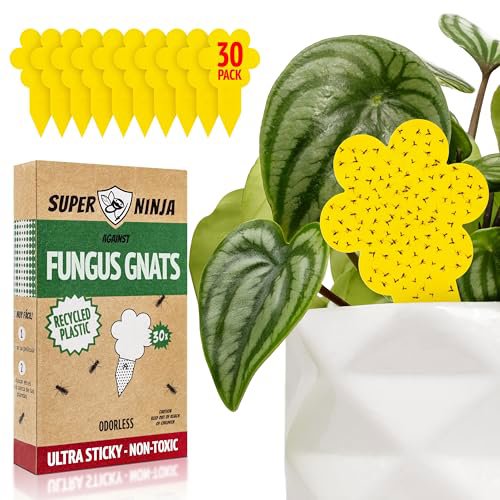
1 Deploy yellow sticky traps to capture the adult flying gnats and break the breeding cycle.
2 Allow the top inch of soil to dry out completely between waterings to make the environment less hospitable for larvae.
3 Top dress the soil with a layer of horticultural perlite to create a dry barrier that prevents adults from reaching the moist organic matter.
warning

Black Cherry Fruit Fly (Drosophila species)

Often mistaken for fungus gnats, these flies are attracted to the fermenting sugars of overripe or damaged cherry tomatoes. They can lay eggs in the fruit skin, leading to rapid rot of the Motto F1 harvest.

Common
lightbulb
How to confirm: Inspect any soft or bruised cherry tomatoes on the vine for tiny puncture marks or white larvae inside.
build How to fix it
shopping_cart Recommended Products
1 Remove and discard any overripe, bruised, or damaged cherry tomatoes immediately to eliminate the primary breeding site for the flies.
2 Deploy yellow sticky traps near the plant to capture adult flies and monitor the infestation level.
3 Apply an organic insecticide like Neem Oil to the plant surface to help control any remaining larvae or adults.
warning

Leafminers (Liriomyza spp.)

While not flies themselves, the movement of leafminer adults can sometimes be confused with small flying insects. Their larvae create serpentine tracks within the tomato leaves, which can stress the plant's photosynthetic capacity.

Common
lightbulb
How to confirm: Look for winding, silvery-white trails on the surface of the Motto F1 leaves.
build How to fix it
shopping_cart Recommended Products
1 Inspect the undersides of leaves for serpentine, silvery tracks and remove any heavily infested leaves to prevent larvae from spreading.
2 Apply an organic insecticide spray to eliminate adult leafminers and protect healthy foliage.
3 Use yellow sticky traps near the plant to capture adult flies and monitor for new infestations.

Other Solanum lycopersicum Motto F1 problems

Your plant might also be experiencing one of these issues:

local_hospital All symptoms eco All plants with tiny black flies
favorite