Solanum pseudocapsicum Diflorum Tiny Black Flies
eco Tiny Black Flies

Solanum pseudocapsicum Diflorum – Tiny Black Flies

Why does your Solanum pseudocapsicum Diflorum have tiny black flies? Diagnose the cause and fix it with our step-by-step guide.

search Possible Causes

error

Fungus Gnats

These small black flies thrive in the moist, organic-rich soil required by Christmas Cherry. Their larvae feed on organic matter and can damage delicate root hairs of Solanum species.

Very Common
lightbulb
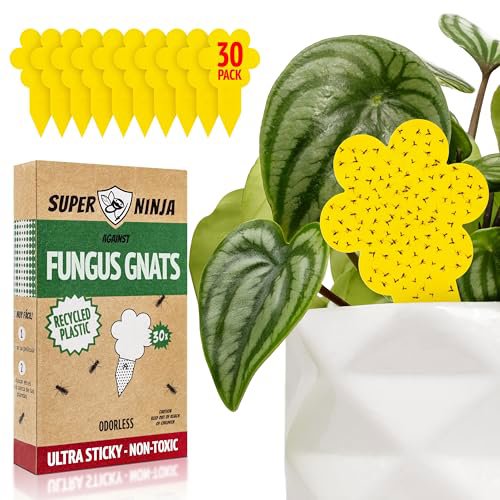
How to confirm: Set a yellow sticky trap near the base of the plant to confirm the presence of flying adults.
build How to fix it
shopping_cart Recommended Products
1 Deploy yellow sticky traps to capture adult flies and disrupt the breeding cycle.
2 Reduce watering frequency and allow the top inch of soil to dry out completely to kill larvae in the organic matter.
3 Apply a microbial-based soil drench to target larvae and promote a healthier root zone.
warning

Black Bean Aphids

While typically stationary, some aphid species can appear as small dark specks moving on stems. They feed on the sap of the Solanum pseudocapsicum, often causing leaf curling.

Common
lightbulb
How to confirm: Inspect the underside of the leaves and new growth for tiny, dark, slow-moving insects or sticky honeydew residue.
build How to fix it
shopping_cart Recommended Products
1 Apply an organic insecticide spray to the plant to eliminate the aphids and protect healthy tissues.
2 Use yellow sticky traps near the plant to capture any flying adults and monitor the infestation level.
3 Prune away any heavily infested or severely curled leaves to prevent the aphids from spreading to new growth.
warning

Sciarid Flies (Dark-winged Fungus Gnats)

Similar to fungus gnats, these are attracted to the decaying organic matter in potting mixes. They are common in indoor Solanum plants kept in high-humidity environments.

Common
lightbulb
How to confirm: Check if the flies are specifically hovering around the soil surface rather than moving on the foliage.
build How to fix it
shopping_cart Recommended Products
1 Deploy yellow sticky traps to capture the adult flies and prevent further reproduction cycles.
2 Reduce watering frequency and allow the top inch of soil to dry out completely to disrupt the larvae's moist habitat.
3 Top-dress the soil with a layer of horticultural perlite or sand to create a dry barrier that prevents flies from reaching organic matter.

Other Solanum pseudocapsicum Diflorum problems

Your plant might also be experiencing one of these issues:

local_hospital All symptoms eco All plants with tiny black flies
favorite