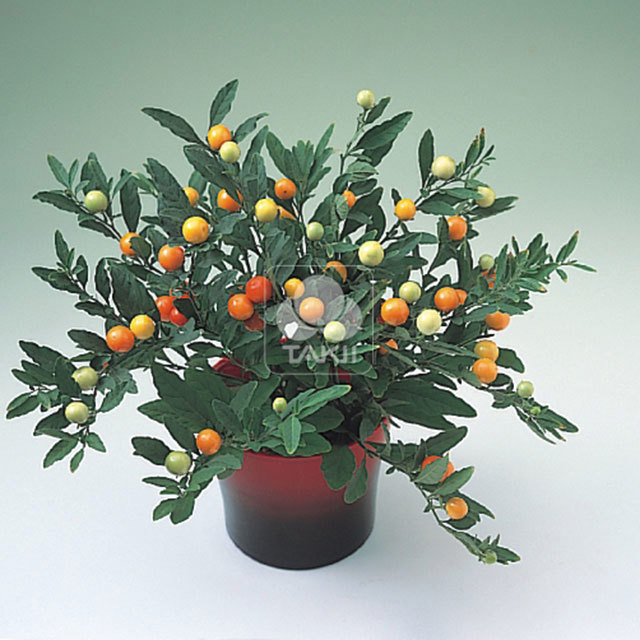
Solanum pseudocapsicum Thurino Light Tiny Black Flies
eco Tiny Black Flies

Solanum pseudocapsicum Thurino Light – Tiny Black Flies

Why does your Solanum pseudocapsicum Thurino Light have tiny black flies? Diagnose the cause and fix it with our step-by-step guide.

search Possible Causes

error

Fungus Gnats (Sciaridae)

The larvae of these flies live in the upper layers of moist soil and feed on organic matter and decaying roots. In Jerusalem Cherry, they thrive in the high-moisture environments often required by this species.

Very Common
lightbulb
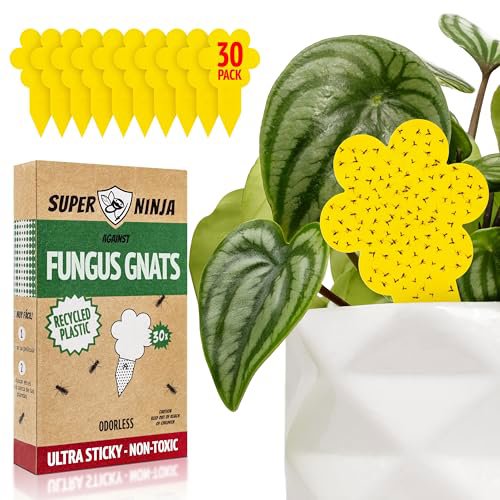
How to confirm: Place a yellow sticky trap near the base of the plant to see if small black insects are captured.
build How to fix it
shopping_cart Recommended Products
1 Deploy yellow sticky traps to capture the adult flying gnats and break the reproductive cycle.
2 Reduce watering frequency and allow the top inch of soil to dry out completely to kill larvae living in moist organic matter.
3 Top-dress the soil with a layer of horticultural perlite to create a dry barrier that prevents adults from laying eggs in the soil.
warning

Black Bean Aphids (Aphis fabae)

While primarily found on legumes, certain aphid species can migrate to Solanum species. They appear as tiny dark moving dots often clustered on the tender new growth or undersides of leaves.

Common
lightbulb
How to confirm: Inspect the underside of new foliage for clusters of small, stationary black insects and check for sticky honeydew residue.
build How to fix it
shopping_cart Recommended Products
1 Apply an organic insecticide spray to the plant, ensuring you coat the undersides of leaves and new growth where aphids cluster.
2 Use yellow sticky traps near the plant to capture adult flying insects and monitor the infestation levels.
3 Prune and dispose of heavily infested tender growth to prevent the aphids from spreading to other parts of the plant.
warning

Soil Nutrient Deficiency leading to secondary pest attraction

Weakened Jerusalem Cherry plants with low nitrogen or improper pH can produce stressed tissues that are more attractive to flying sap-sucking insects. This is often a secondary issue rather than the primary cause of the flies.

Common
lightbulb
How to confirm: Check for yellowing (chlorosis) between leaf veins, which suggests the plant's immune system is compromised.
build How to fix it
shopping_cart Recommended Products
1 Apply an organic insecticide to eliminate the adult flies and larvae, such as a neem oil spray, to stop the immediate pest infestation.
2 Use yellow sticky traps to capture adult flies and monitor the population levels near the soil surface.
3 Replenish essential nutrients with a liquid fertilizer to strengthen the plant's immune system and reduce the attraction of secondary pests.

Other Solanum pseudocapsicum Thurino Light problems

Your plant might also be experiencing one of these issues:

local_hospital All symptoms eco All plants with tiny black flies
favorite