Spiraea billardii Triumphans Leggy Stems
eco Leggy Stems

Spiraea billardii Triumphans – Leggy Stems

Why does your Spiraea billardii Triumphans have leggy stems? Diagnose the cause and fix it with our step-by-step guide.

pets Pet Friendly

search Possible Causes

error

Insufficient Sunlight

Spiraea billardii requires full sun to maintain a compact, bushy habit. When planted in too much shade, the plant undergoes etiolation, stretching its stems rapidly toward light sources to compensate for low photon density.

Very Common
lightbulb
How to confirm: Observe if the internodes (the space between leaves) are significantly longer than those on plants in direct sunlight.
build How to fix it
shopping_cart Recommended Products
1 Relocate the plant to a location that receives at least 6 to 8 hours of direct sunlight daily to stop stem stretching.
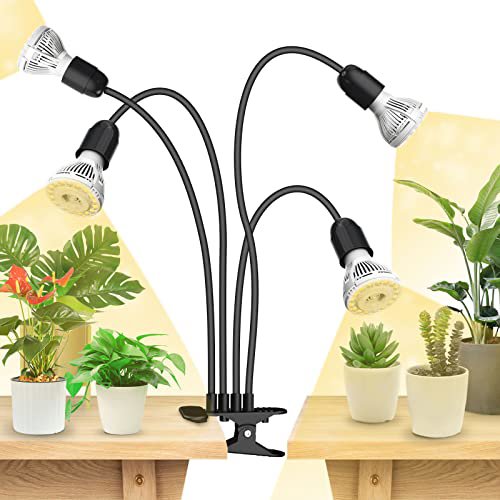
2 If relocation is not possible, install a full-spectrum grow light to supplement the insufficient natural light.
3 Prune back the elongated, leggy stems to encourage new, bushier growth from the base.
error

Excessive Nitrogen Fertilization

High levels of nitrogen-rich fertilizer promote rapid, succulent vegetative growth at the expense of structural integrity. This results in weak, spindly stems that lack the lignin necessary to support their own weight.

Very Common
lightbulb
How to confirm: Check if you have recently applied a high-N fertilizer or if the new growth appears much lighter green than mature foliage.
build How to fix it
shopping_cart Recommended Products
1 Stop all nitrogen-rich fertilization immediately to prevent further rapid, weak growth.
2 Flush the soil with plenty of water to leach out excess nitrogen salts from the root zone.
3 Prune back the long, spindly stems to encourage denser, sturdier growth and improve structural integrity.
warning

Lack of Pruning

Spiraea billardii thrives when regular pruning encourages lateral branching. Without seasonal deadheading or structural pruning, the plant can develop long, unbranched stems that lack a dense canopy.

Common
lightbulb
How to confirm: Inspect the base of the stems to see if there is a lack of new shoots emerging from the woody crown.
build How to fix it
shopping_cart Recommended Products
1 Perform structural pruning by cutting back the long, leggy stems to encourage new, lateral growth and a denser canopy.
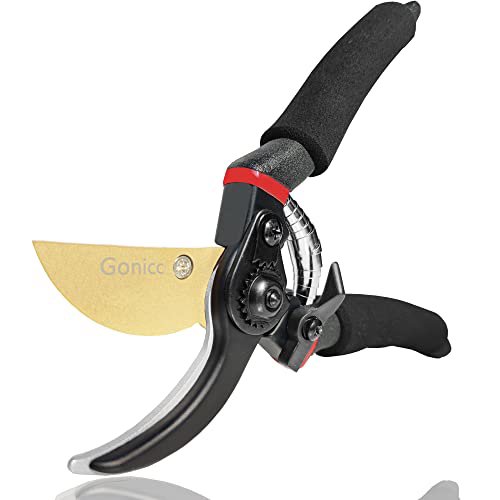
2 Use sharp, clean bypass pruners to make precise cuts just above a healthy bud to stimulate branching.
3 Apply a balanced organic fertilizer after pruning to provide the nutrients necessary for vigorous new growth.
warning

Water Stress and Deep Root Issues

Inconsistent watering can cause the plant to enter a cycle of rapid growth followed by dormancy. This uneven growth pattern often manifests as long, weak stems that fail to develop thick cell walls.

Common
lightbulb
How to confirm: Feel the soil moisture several inches below the surface to see if it undergoes extreme fluctuations between bone-dry and saturated.
build How to fix it
shopping_cart Recommended Products
1 Stabilize the watering schedule by using a moisture meter to ensure the soil remains consistently moist but not waterlogged, preventing the growth-dormancy cycle.
2 Apply a balanced liquid fertilizer to provide the necessary nutrients for developing thicker, stronger cell walls in the stems.
3 If the root system is struggling, consider repotting with a high-quality, well-draining organic potting mix to improve aeration and nutrient access.
local_hospital All symptoms eco All plants with leggy stems
favorite