Spiraea cantoniensis Leggy Stems
eco Leggy Stems

Spiraea cantoniensis – Leggy Stems

Why does your Spiraea cantoniensis have leggy stems? Diagnose the cause and fix it with our step-by-step guide.

pets Pet Friendly

search Possible Causes

error

Insufficient Sunlight

Bridal Wreath Spirea requires full sun to maintain a compact, mounded habit; low light levels trigger etiolation, causing the plant to stretch stems toward light sources.

Very Common
lightbulb
How to confirm: Observe if the plant is located in a shaded area or under dense tree canopy compared to healthier specimens.
build How to fix it
shopping_cart Recommended Products
1 Relocate the plant to a location that receives at least 6 to 8 hours of direct sunlight daily to prevent further stretching.
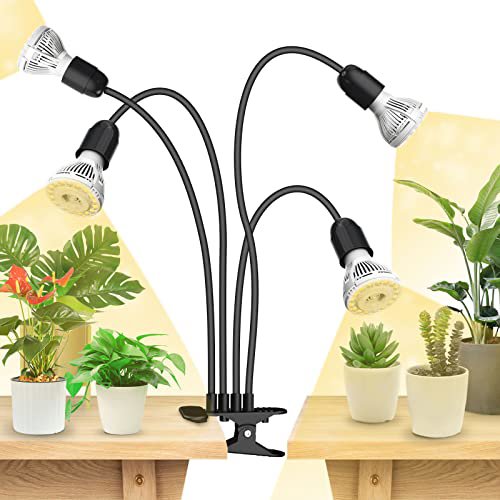
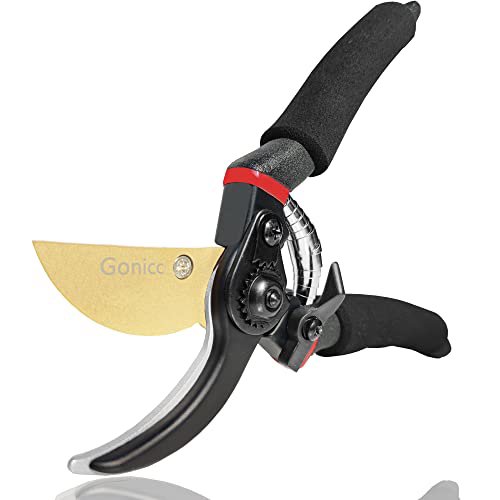
2 Supplement with a full-spectrum grow light if natural sunlight cannot be increased, ensuring the light is positioned close to the foliage.
3 Prune back the elongated, leggy stems to encourage denser, more compact new growth.
error

Lack of Pruning

Spiraea cantoniensis thrives with annual or biennial pruning; without regular removal of old wood, the center of the shrub becomes sparse and the outer stems become overly long and spindly.

Very Common
lightbulb
How to confirm: Check if any significant pruning has been performed on this specific shrub within the last two growing seasons.
build How to fix it
shopping_cart Recommended Products
1 Prune the shrub by cutting back older, woody stems to the base to encourage new, vigorous growth from the center.
2 Thin out the dense center of the plant to improve airflow and light penetration, preventing the stems from becoming overly long and spindly.
3 Apply a balanced organic fertilizer after pruning to provide the necessary nutrients for fresh, healthy spring growth.
warning

Excessive Nitrogen Fertilization

Too much nitrogen promotes rapid, succulent vegetative growth at the expense of structural density, resulting in weak, elongated stems that lack woody strength.

Common
lightbulb
How to confirm: Review recent fertilization history to see if high-nitrogen liquid or granular fertilizers were applied during the spring flush.
build How to fix it
shopping_cart Recommended Products
1 Stop all nitrogen-rich fertilization immediately to prevent further rapid, weak growth.
2 Prune back the elongated, leggy stems to encourage denser, woodier growth and better structural integrity.
3 Flush the soil with plain, well-draining water to help leach excess nitrogen salts away from the root zone.
warning

Inappropriate Water Management

Consistently overly moist soil can lead to soft, rapid growth that lacks the lignin needed for stem rigidity, causing stems to flop or appear leggy.

Common
lightbulb
How to confirm: Test the soil moisture deep below the surface to see if it remains saturated long after a rain event or watering.
build How to fix it
shopping_cart Recommended Products
1 Adjust your watering schedule to allow the top inch of soil to dry out completely before watering again, preventing the soft, rapid growth caused by over-saturation.
2 Prune back the elongated, weak stems to encourage denser, woodier growth and improve the plant's structural integrity.
3 Ensure the plant is in a well-draining environment; if the current container lacks drainage, repot using a medium with improved aeration like perlite.
local_hospital All symptoms eco All plants with leggy stems
favorite