Spiraea frischiana Pink Parasols Leggy Stems
eco Leggy Stems

Spiraea frischiana Pink Parasols – Leggy Stems

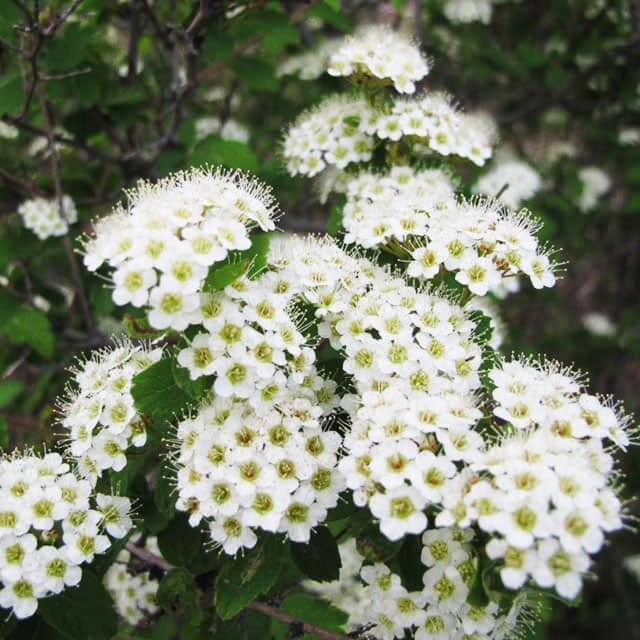
Why does your Spiraea frischiana Pink Parasols have leggy stems? Diagnose the cause and fix it with our step-by-step guide.

pets Pet Friendly

search Possible Causes

error

Insufficient Sunlight

This cultivar requires full sun to maintain a compact, bushy habit. In shaded conditions, the plant undergoes etiolation, stretching its stems toward light sources which results in long, weak, and spindly growth.

Very Common
lightbulb
How to confirm: Observe if the plant is located in an area receiving less than 6 hours of direct sunlight per day.
build How to fix it
shopping_cart Recommended Products
1 Relocate the plant to a location that receives at least 6 to 8 hours of direct sunlight daily to prevent further stretching.
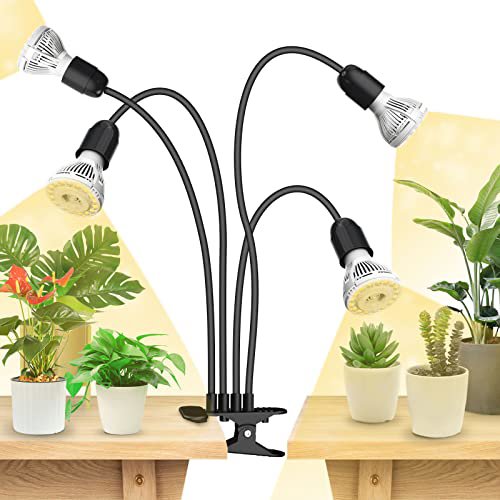
2 Supplement with a full-spectrum grow light if natural sunlight cannot be increased, ensuring the light is positioned close enough to maintain a compact habit.
3 Prune back the long, spindly stems to encourage new, bushier growth from the base of the plant.
error

Excessive Nitrogen Fertilization

Over-application of nitrogen-rich fertilizers promotes rapid vegetative growth at the expense of structural integrity. This results in lush but thin and weak stems that lack the density characteristic of 'Pink Parasols'.

Very Common
lightbulb
How to confirm: Check if you have recently applied a high-nitrogen fertilizer or if the new growth looks unnaturally dark green and soft.
build How to fix it
shopping_cart Recommended Products
1 Immediately cease all nitrogen-rich fertilization to allow the plant to stabilize and prevent further rapid, weak growth.
2 Flush the soil with plenty of water to leach out excess nitrogen salts from the root zone.
3 Prune back the leggy, weak stems to encourage denser, more structural growth and improve airflow.
warning

Lack of Pruning

Spiraea species benefit from annual or biennial pruning to stimulate lateral branching. Neglecting to prune old wood allows older, longer stems to dominate the plant's structure without new side shoots.

Common
lightbulb
How to confirm: Examine the plant for a lack of new lateral buds and check if it hasn't been pruned since the last growing season.
build How to fix it
shopping_cart Recommended Products
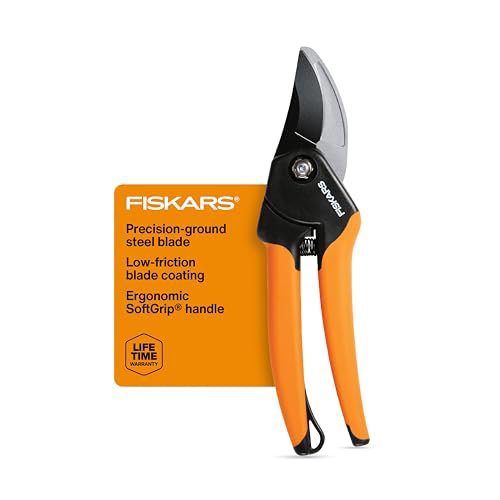
1 Use sharp pruning shears to trim back the long, leggy stems by about one-third to one-half of their length.
2 Prune just above a healthy leaf node to encourage new lateral buds and denser, bushier growth.
3 Ensure your tools are cleaned with alcohol before use to prevent the spread of pathogens during pruning.
warning

Water Stress (Inconsistent Moisture)

Fluctuating between extreme drought and waterlogged soil can disrupt the plant's hormone balance, leading to uneven growth spurts and weakened stem development.

Common
lightbulb
How to confirm: Check if the soil moisture levels have been highly inconsistent during the recent spring growing period.
build How to fix it
shopping_cart Recommended Products
1 Stabilize the watering schedule by checking the soil depth before each watering to ensure consistent moisture levels.
2 Apply a balanced liquid fertilizer to help strengthen the plant's structure and support more robust stem development.
3 Prune back the elongated, weak stems to encourage denser, bushier growth and improve overall plant architecture.
local_hospital All symptoms eco All plants with leggy stems
favorite