Spiraea thunbergii Leggy Stems
eco Leggy Stems

Spiraea thunbergii – Leggy Stems

Why does your Spiraea thunbergii have leggy stems? Diagnose the cause and fix it with our step-by-step guide.

pets Pet Friendly

search Possible Causes

error

Insufficient Sunlight

Spiraea thunbergii requires full sun to maintain a compact, mounded growth habit. In low-light conditions, the plant undergoes etiolation, stretching stems toward light sources and resulting in sparse foliage.

Very Common
lightbulb
How to confirm: Observe if the plant is located in a shaded area or under heavy canopy coverage.
build How to fix it
shopping_cart Recommended Products
1 Relocate your Spiraea thunbergii to a location that receives at least 6 to 8 hours of direct sunlight daily to prevent further stretching.
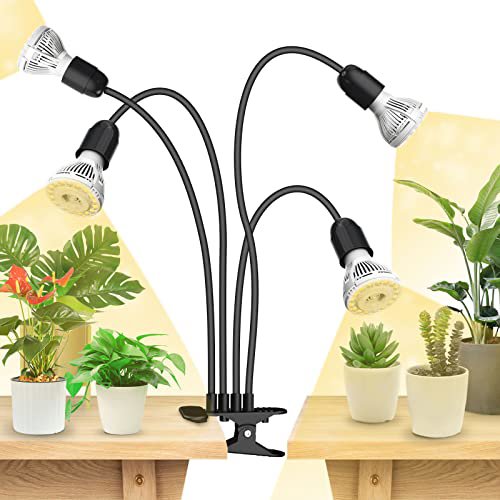
2 If permanent relocation is not possible, supplement with a full-spectrum grow light to provide the necessary light intensity for a compact growth habit.
3 Prune away the excessively long, weak stems to encourage new, bushier growth from the base of the plant.
error

Excessive Nitrogen Fertilization

High levels of nitrogen promote rapid, succulent vegetative growth at the expense of structural integrity. This leads to elongated, weak stems that are prone to flopping over under their own weight.

Very Common
lightbulb
How to confirm: Check if you have recently applied a fertilizer with a much higher first number (N) than second or third numbers.
build How to fix it
shopping_cart Recommended Products
1 Stop all nitrogen-rich fertilization immediately to prevent further rapid, weak growth.
2 Prune back the elongated, leggy stems to a shorter, sturdier length to encourage denser, more structural growth.
3 Flush the soil with plain, well-draining water to help leach excess nitrogen salts away from the root zone.
warning

Lack of Pruning

Without regular seasonal pruning, Spiraea thunbergii can accumulate old, woody growth that loses density. This lack of new, bushy lateral branching makes the existing stems appear disproportionately long and spindly.

Common
lightbulb
How to confirm: Examine the plant for a buildup of thick, woody stems without fresh, dense flowering buds at the tips.
build How to fix it
shopping_cart Recommended Products
1 Prune the Spiraea back by one-third to one-half of its height to encourage new, bushy growth and stimulate lateral branching.
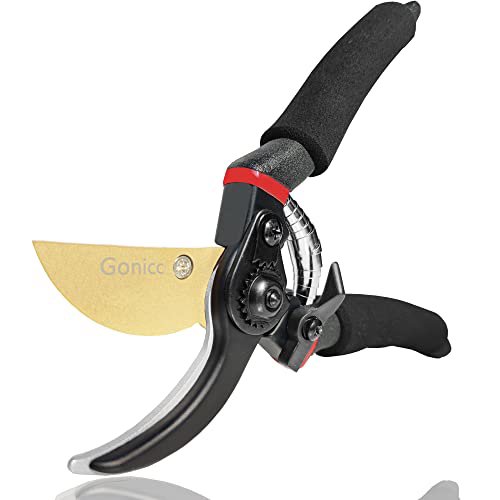
2 Use sharp, clean bypass pruners to make clean cuts just above a healthy bud to prevent disease and promote vigorous regrowth.
3 Apply a balanced organic fertilizer after pruning to provide the nutrients necessary for the development of new, dense foliage.
warning

Water Stress (Inconsistent Moisture)

Fluctuating between extreme drought and heavy saturation can disrupt cell expansion in developing shoots. This instability often results in uneven growth spurts and weakened stem development.

Common
lightbulb
How to confirm: Monitor the soil moisture levels to see if the plant experiences periods of complete drying followed by flooding.
build How to fix it
shopping_cart Recommended Products
1 Stabilize the watering schedule by ensuring the soil remains consistently moist but not waterlogged to prevent cell expansion disruption.
2 Apply a balanced liquid fertilizer to provide the necessary nutrients for strengthening developing shoots and stems.
3 Prune back the weakest, leggy stems to encourage denser, more robust new growth from the base.
local_hospital All symptoms eco All plants with leggy stems
favorite