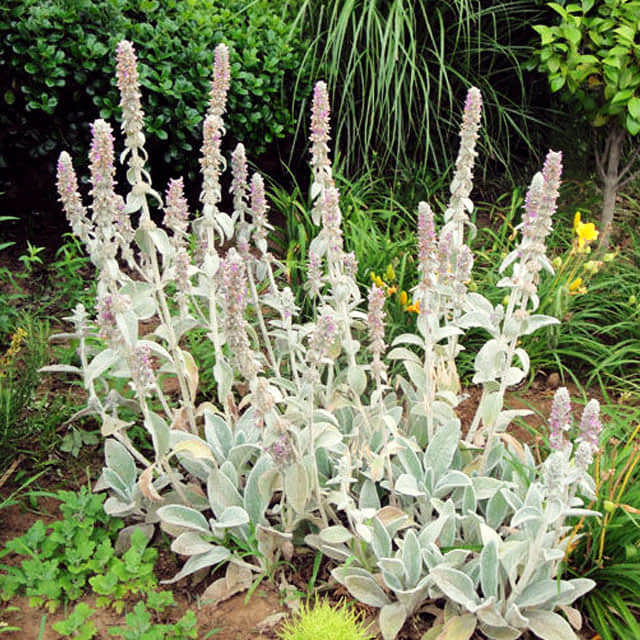
Stachys byzantina Brown Leaf Tips
eco Brown Leaf Tips

Stachys byzantina – Brown Leaf Tips

Why does your Stachys byzantina have brown leaf tips? Diagnose the cause and fix it with our step-by-step guide.

pets Pet Friendly

search Possible Causes

error

Underwatering and Low Humidity

Lamb's Ear has a high surface area due to its fuzzy texture, which leads to rapid transpiration. When soil moisture is insufficient, the plant cannot transport enough water to the extremities, causing the soft leaf tips to desiccate and turn brown.

Very Common
lightbulb
How to confirm: Check if the soil is bone-dry several inches below the surface and if the leaves feel crispy to the touch.
build How to fix it
shopping_cart Recommended Products
1 Check the soil moisture level immediately using a moisture meter to confirm the depth of dehydration.
2 Increase local humidity around the plant by using a pebble tray or a fine misting spray bottle to prevent further tip desiccation.
3 Establish a consistent watering schedule, ensuring the soil is thoroughly moistened but well-drained to prevent the fuzzy leaves from rotting.
warning

Salt Accumulation (Fertilizer Burn)

Excessive mineral salts from fertilizers or hard water can accumulate in the leaf tissue. This osmotic stress draws moisture out of the cells, typically manifesting as scorched, brown edges on the silver foliage.

Common
lightbulb
How to confirm: Look for white, crusty deposits on the soil surface or the edges of the pot.
build How to fix it
shopping_cart Recommended Products
1 Flush the soil thoroughly with distilled or rainwater to leach out accumulated mineral salts from the root zone.
2 Prune away the most severely scorched leaves to prevent further aesthetic decline and use a moisture meter to ensure you are not overcompensating with water.
3 Switch to a diluted, organic fertilizer regimen and consider adding perlite to the soil to improve drainage and prevent future salt buildup.
warning

Fungal Leaf Spot (e.g., Botrytis)

While Lamb's Ear is relatively hardy, high humidity and wet foliage can encourage fungal pathogens. This often begins as brown or dark patches on the leaf tips that may eventually spread to the rest of the leaf.

Common
lightbulb
How to confirm: Inspect the undersides of the leaves for any visible fuzzy mold or dark spotting.
build How to fix it
shopping_cart Recommended Products
1 Remove and discard all heavily infected leaves to prevent the fungal spores from spreading to healthy foliage.
2 Apply an organic fungicide to protect the remaining healthy leaves from further infection.
3 Improve air circulation around the plant and avoid overhead watering to keep the foliage dry, as wet leaves encourage Botrytis growth.
local_hospital All symptoms eco All plants with brown leaf tips
favorite