Syngonium Podophyllum Pixie Leggy Stems
eco Leggy Stems

Syngonium Podophyllum Pixie – Leggy Stems

Why does your Syngonium Podophyllum Pixie have leggy stems? Diagnose the cause and fix it with our step-by-step guide.

search Possible Causes

error

Insufficient Light (Etiolation)

Syngonium 'Pixie' is a cultivar bred for compact growth; when light levels are too low, the plant stretches its internodes to search for photons, resulting in long, weak stems and sparse foliage.

Very Common
lightbulb
How to confirm: Observe if the distance between leaves on the stem has increased significantly compared to the plant's original compact form.
build How to fix it
shopping_cart Recommended Products
1 Move your Syngonium 'Pixie' to a location with brighter, indirect light to prevent further stretching of the stems.
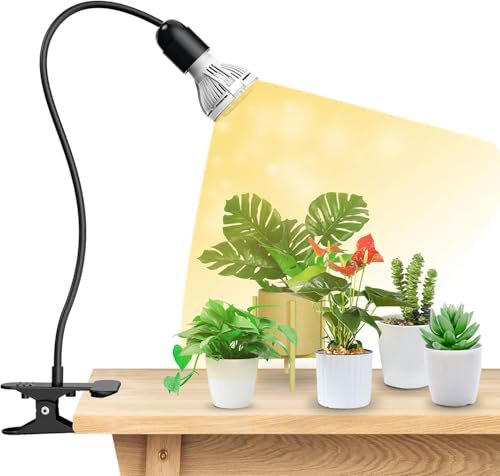
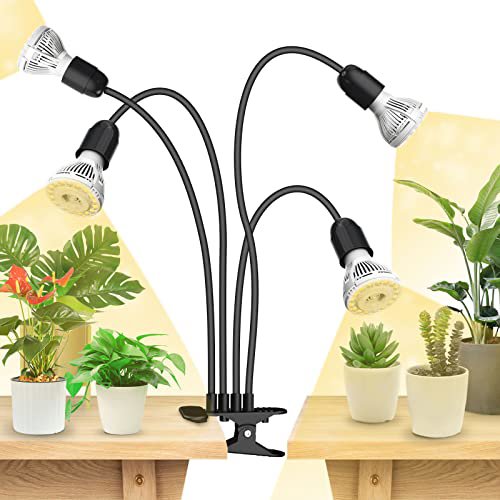
2 Supplement with a full-spectrum grow light to provide the necessary intensity for compact, bushy growth.
3 Prune the longest, weakest stems to encourage new, denser growth from the base of the plant.
warning

Overwatering and Root Stress

Excessive moisture leads to anaerobic conditions in the soil, damaging the fine root hairs of the Pixie variety and limiting the energy available for dense, bushy growth.

Common
lightbulb
How to confirm: Check if the growing medium feels soggy several inches below the surface or if the stems feel soft at the base.
build How to fix it
shopping_cart Recommended Products
1 Allow the soil to dry out significantly before the next watering to prevent further root rot and anaerobic conditions.
2 Repot the plant in a well-draining, airy medium like a mix containing perlite to improve oxygen access to the roots.
3 Apply a microbial-based fertilizer to help stimulate root zone recovery and strengthen the plant's resilience to stress.
warning

Nutrient Deficiency (Nitrogen Imbalance)

A lack of essential macronutrients, particularly nitrogen, can cause the plant to prioritize stem elongation over leaf development in an attempt to find better growing conditions.

Common
lightbulb
How to confirm: Check if the older leaves are turning pale yellow while the new growth appears spindly and weak.
build How to fix it
shopping_cart Recommended Products
1 Apply a nitrogen-rich liquid fertilizer to stimulate lush vegetative growth and leaf development.
2 Prune back the elongated, leggy stems to encourage the plant to grow more compact and bushy foliage.
3 Ensure the plant is receiving adequate bright, indirect light to prevent further stretching.
warning

Temperature Fluctuations

Sudden drops in temperature or exposure to drafts can stress the metabolic processes of this tropical climber, leading to irregular growth patterns and stretching.

Common
lightbulb
How to confirm: Verify if the plant is placed near an air conditioning vent or a drafty window.
build How to fix it
shopping_cart Recommended Products
1 Relocate your plant to a stable environment away from cold drafts, air conditioning vents, or windows that experience significant temperature drops.
2 Increase supplemental lighting to provide a consistent energy source, which helps prevent the plant from stretching toward light sources.
3 Prune the elongated, leggy stems using sharp shears to encourage bushier growth and more compact foliage development.
local_hospital All symptoms eco All plants with leggy stems
favorite