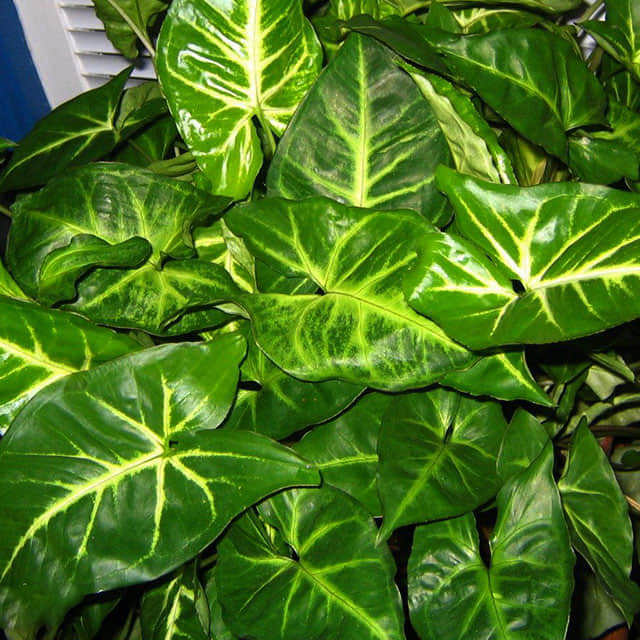
Syngonium podophyllum Leggy Stems
eco Leggy Stems

Syngonium podophyllum – Leggy Stems

Why does your Syngonium podophyllum have leggy stems? Diagnose the cause and fix it with our step-by-step guide.

search Possible Causes

error

Insufficient Light Exposure

Syngonium is phototropic; when light levels are too low, the plant undergoes etiolation, stretching its internodes excessively to reach a light source. This results in long, thin stems with sparse foliage.

Very Common
lightbulb
How to confirm: Observe if the leaves are significantly smaller than usual and if the stem length between nodes has increased drastically.
build How to fix it
shopping_cart Recommended Products
1 Move your Syngonium to a location with brighter, indirect sunlight to stop the stems from stretching further.
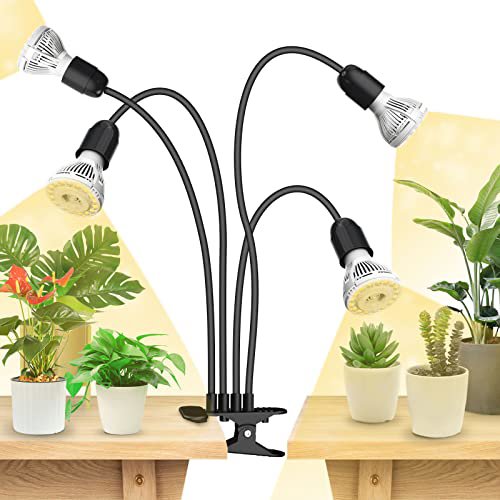
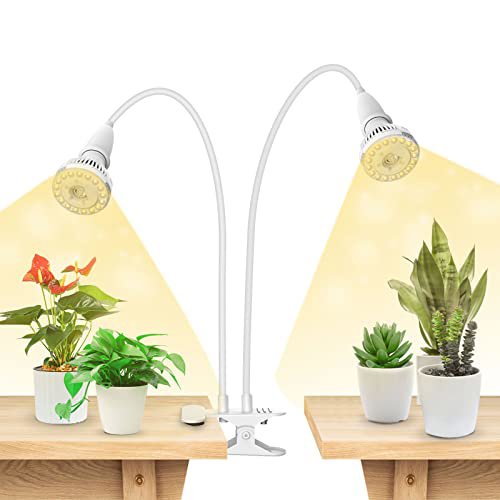
2 Supplement with a full-spectrum LED grow light if natural light levels in your space remain low.
3 Prune the excessively long, leggy stems to encourage bushier growth and more compact internodes.
warning

Overwatering and Root Stress

Excessive moisture can lead to root hypoxia or early-stage root rot, weakening the plant's ability to support heavy foliage. This physiological stress can cause the stems to lose turgidity and appear weak or 'floppy'.

Common
lightbulb
How to confirm: Check if the growing medium remains damp for more than a week and inspect roots for any dark, slimy texture.
build How to fix it
shopping_cart Recommended Products
1 Check the soil moisture levels immediately using a moisture meter to confirm if the root zone is staying too saturated.
2 Repot the plant in a well-draining medium enriched with perlite to improve aeration and prevent future root hypoxia.
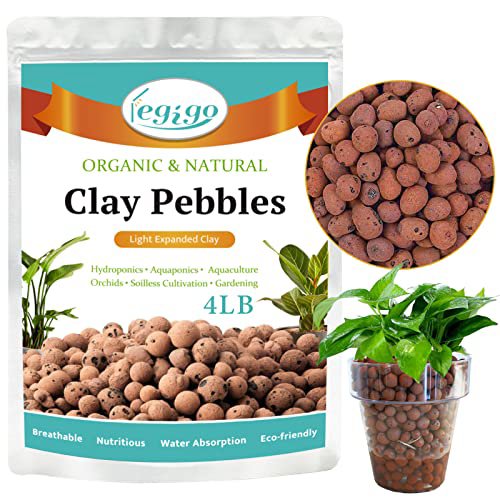
3 Prune any mushy or darkened roots caused by rot and transition to a more breathable substrate like a mix containing Leca clay pebbles.
warning

Nutrient Deficiency (Nitrogen)

A lack of available nitrogen prevents the plant from developing lush, dense growth. While the stems may continue to elongate, the new growth will appear pale and lacks the structural density typical of a healthy Arrowhead plant.

Common
lightbulb
How to confirm: Look for a general yellowing (chlorosis) of older leaves alongside the elongated stem growth.
build How to fix it
shopping_cart Recommended Products
1 Apply a nitrogen-rich liquid fertilizer to stimulate lush, dense vegetative growth and strengthen new stems.
2 Increase the intensity of your light source to prevent further stretching and encourage more compact foliage.
3 Prune the longest, weakest stems to encourage the plant to redirect energy into new, denser growth from the base.

Other Syngonium podophyllum problems

Your plant might also be experiencing one of these issues:

local_hospital All symptoms eco All plants with leggy stems
favorite