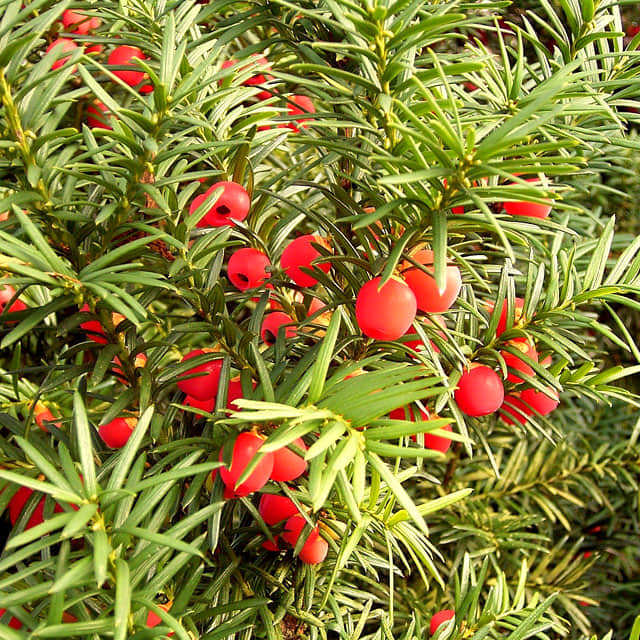
Taxus baccata Brown Leaf Tips
eco Brown Leaf Tips

Taxus baccata – Brown Leaf Tips

Why does your Taxus baccata have brown leaf tips? Diagnose the cause and fix it with our step-by-step guide.

search Possible Causes

error

Improper Watering (Drought Stress)

Yews have relatively shallow root systems and are sensitive to drying out. When the soil becomes too dry, the plant cannot transport enough water to the distal ends of the needles, causing tip necrosis.

Very Common
lightbulb
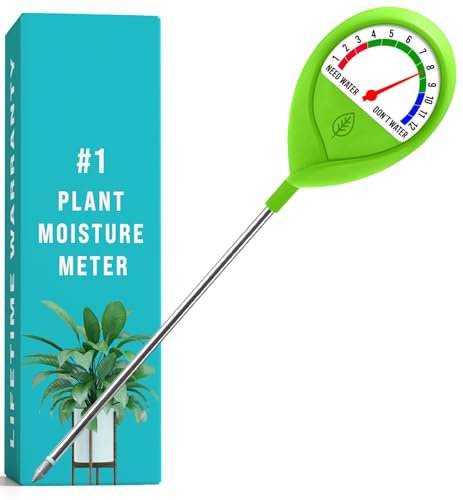
How to confirm: Stick your finger two inches into the soil to see if it feels consistently dry even after recent watering.
build How to fix it
shopping_cart Recommended Products
1 Immediately check the soil moisture level at the root zone to confirm the extent of the drought stress.
2 Apply a deep, thorough watering to ensure the moisture reaches the shallow root system, and maintain consistent moisture levels.
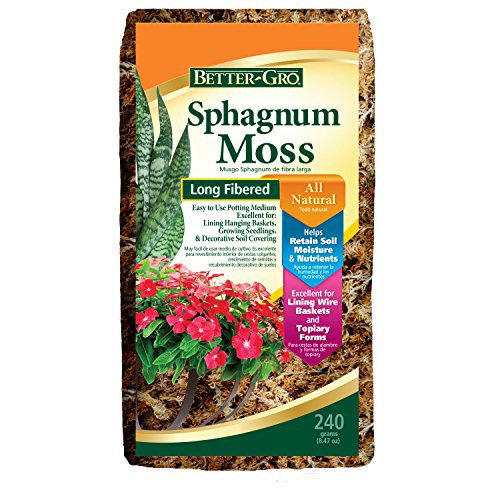
3 Apply a mulch layer around the base of the plant to help retain soil moisture and prevent future drying out.
error

Salt Accumulation (Salinity Stress)

Excessive salts from hard water, de-icing salts, or chemical fertilizers accumulate in the needle tips. This creates osmotic pressure that dehydrates the tissue cells, leading to browning.

Very Common
lightbulb
How to confirm: Check if the browning is most prominent near sidewalks/roads or if you have recently used heavy doses of synthetic fertilizer.
build How to fix it
shopping_cart Recommended Products
1 Flush the soil thoroughly with large amounts of distilled or rainwater to leach accumulated salts away from the root zone.
2 Switch to a low-salt water source and avoid using fertilizers containing high chloride or salt content until new growth appears.
3 Prune away the most severely browned needle tips using clean shears to prevent further aesthetic decline.
warning

Fungal Pathogen (e.g., Phytophthora)

Waterlogged soil can lead to root rot caused by Oomycetes like Phytophthora. As the root system fails due to decay, the foliage exhibits characteristic browning starting at the tips and moving inward.

Common
lightbulb
How to confirm: Examine the base of the stem and the roots for any signs of dark, mushy, or foul-smelling tissue.
build How to fix it
shopping_cart Recommended Products
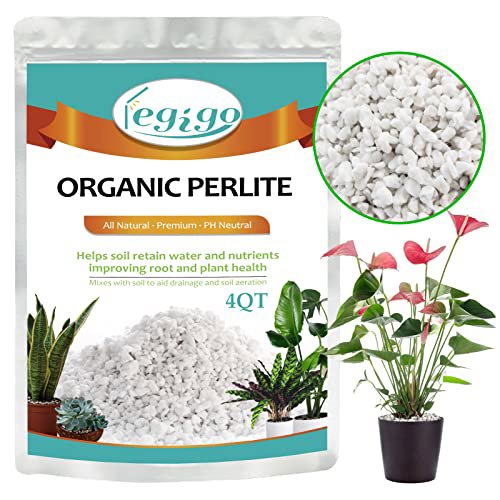
1 Improve soil drainage immediately to eliminate waterlogged conditions and stop the spread of the fungal pathogen.
2 Apply an organic fungicide to the affected area to combat the Phytophthora pathogen and protect healthy tissue.
3 Monitor soil moisture levels closely using a moisture meter to ensure the soil is not staying saturated.
warning

Wind Burn

Strong, drying winds can strip moisture from the needle tips faster than the plant can replace it via transpiration. This is particularly common in exposed locations during winter or dry summer spells.

Common
lightbulb
How to confirm: Observe if the browning is more severe on the side of the shrub facing the prevailing wind direction.
build How to fix it
shopping_cart Recommended Products
1 Relocate the plant to a more sheltered area or use a windbreak to protect the foliage from drying gusts.
2 Apply a consistent watering schedule to ensure the plant remains hydrated during dry, windy periods.
3 Apply a mulch layer around the base of the plant to help retain soil moisture and reduce evaporation.
local_hospital All symptoms eco All plants with brown leaf tips
favorite