Taxus x media Brown Leaf Tips
eco Brown Leaf Tips

Taxus x media – Brown Leaf Tips

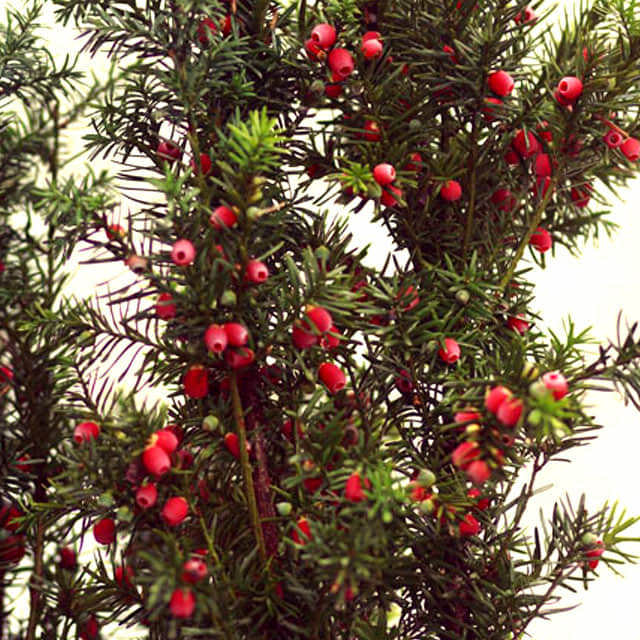
Why does your Taxus x media have brown leaf tips? Diagnose the cause and fix it with our step-by-step guide.

search Possible Causes

error

Salt Accumulation (Salinity Stress)

Hicks Yew is sensitive to high concentrations of salts from fertilizers or de-icing agents. Excess sodium and chloride accumulate at the leaf margins, causing cellular dehydration and characteristic tip necrosis.

Very Common
lightbulb
How to confirm: Check if the plant is located near a sidewalk where salt was used in winter or if you have recently applied high-salt chemical fertilizers.
build How to fix it
shopping_cart Recommended Products
1 Flush the soil thoroughly with large amounts of fresh, low-salt water to leach accumulated mineral salts away from the root zone.
2 Prune away the most severely necrotic brown tips using clean shears to prevent further aesthetic decline and focus plant energy on healthy tissue.
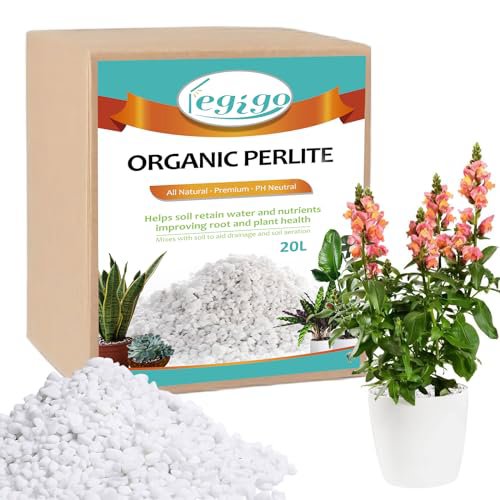
3 Amend the soil with organic matter or perlite to improve drainage and prevent future salt buildup from stagnant water.
error

Drought Stress

While Taxus x media is relatively hardy, prolonged periods of dry soil prevent the plant from transporting water to the furthest extremities of the needles. This leads to desiccation and browning at the tips first.

Very Common
lightbulb
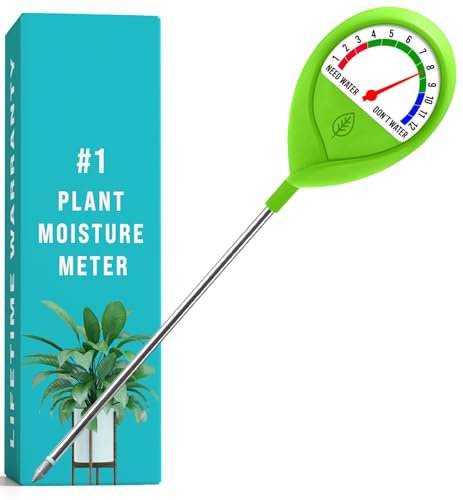
How to confirm: Insert a finger into the soil 2 inches deep; if it feels bone-dry throughout, the plant likely needs more consistent moisture.
build How to fix it
shopping_cart Recommended Products
1 Immediately check the soil moisture level at the root zone to confirm the extent of the drought.
2 Apply a deep, thorough watering to ensure the entire root ball is saturated, and consider using a mulch layer to retain moisture.
3 To prevent future dehydration, monitor soil moisture regularly and ensure the plant receives consistent hydration during dry spells.
warning

Improper Watering (Fluctuating Soil Moisture)

Inconsistent moisture levels—alternating between saturated soil and extreme dryness—stress the vascular system of the Yew. This prevents efficient nutrient transport to the needle tips, leading to localized browning.

Common
lightbulb
How to confirm: Observe if the brown tips coincide with periods where the soil has been left to dry out completely or remained waterlogged for days.
build How to fix it
shopping_cart Recommended Products
1 Stabilize the watering schedule to ensure the soil remains consistently moist but not waterlogged, avoiding the cycle of extreme drought and saturation.
2 Check the soil moisture level at the root zone before each watering session to ensure you are only watering when the top inch of soil feels dry.
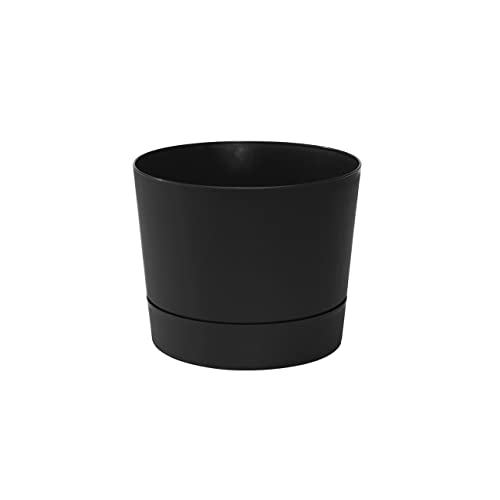
3 Ensure the plant is in a container with excellent drainage, such as a Root & Vessel pot with an integrated tray, to prevent water from pooling at the roots.
warning

Fungal Pathogen (e.g., Phytophthora)

Water-mold pathogens like Phytophthora can cause root rot in Taxus species, particularly in poorly draining soils. As roots decay, they lose the ability to supply water to the needles, manifesting as tip browning or needle drop.

Common
lightbulb
How to confirm: Examine the base of the stem and the roots for any signs of dark, mushy, or foul-smelling tissue.
build How to fix it
shopping_cart Recommended Products
1 Improve soil drainage and reduce watering frequency to prevent the water-mold pathogen from spreading through saturated roots.
2 Apply a fungicide to protect the plant from further fungal spread and treat existing infections.
3 Amend the soil with perlite or coarse sand to increase aeration and prevent future waterlogging.
local_hospital All symptoms eco All plants with brown leaf tips
favorite