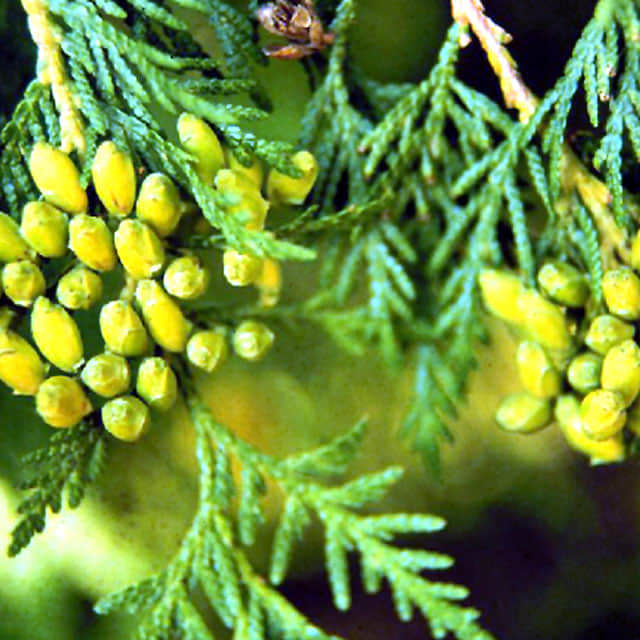
Thuja occidentalis Brown Leaf Tips
eco Brown Leaf Tips

Thuja occidentalis – Brown Leaf Tips

Why does your Thuja occidentalis have brown leaf tips? Diagnose the cause and fix it with our step-by-step guide.

search Possible Causes

error

Drought Stress

Arborvitae have shallow root systems that are highly susceptible to moisture deficits. When the soil dries out completely, the plant cannot transport water to the furthest extremities, resulting in desiccation of the branch tips.

Very Common
lightbulb
How to confirm: Check the soil moisture deep within the root ball; if it is bone dry and brittle, the plant needs consistent deep watering.
build How to fix it
shopping_cart Recommended Products
1 Immediately deep-water the plant to ensure moisture reaches the entire shallow root system, making sure the soil is thoroughly saturated.
2 Monitor soil moisture levels regularly using a moisture meter to prevent the soil from drying out completely between waterings.
3 Apply a layer of organic mulch around the base of the tree to help retain soil moisture and regulate temperature.
error

Salt Spray or Salt Burn

Sodium chloride from road salt or coastal spray accumulates on the foliage of Thuja occidentalis. This creates osmotic stress that draws water out of the needles, causing characteristic browning starting at the tips.

Very Common
lightbulb
How to confirm: Check if the browning is more severe on the side of the plant facing a road or ocean and look for white residue on the needles.
build How to fix it
shopping_cart Recommended Products
1 Thoroughly rinse the foliage with fresh, low-sodium water to wash away accumulated salt crystals and prevent further osmotic stress.
2 Flush the soil deeply with fresh water to leach salts away from the root zone and prevent root burn.
3 Prune away the most severely browned tips using clean shears to improve the plant's aesthetic and prevent further spread of stress.
warning

Fungal Blight (e.g., Kable Blight or Phytophthora)

Excessive moisture combined with poor air circulation can promote fungal pathogens. These organisms attack the tender new growth, causing tips to turn brown and eventually leading to twig dieback.

Common
lightbulb
How to confirm: Inspect the stems near the brown tips for any dark lesions or signs of soft, mushy tissue.
build How to fix it
shopping_cart Recommended Products
1 Prune away all brown, infected branches and foliage using sterilized shears to prevent the spread of the blight to healthy tissue.
2 Apply an organic fungicide to the affected areas to combat the fungal pathogens and protect new growth.
3 Improve air circulation around the plant and adjust watering habits to ensure the soil surface dries between waterings, preventing excessive moisture.
warning

Winter Desiccation (Winter Burn)

In cold climates, frozen roots cannot replace the water lost through transpiration on sunny, windy winter days. This leads to 'winter burn,' where the tips of the evergreen foliage turn a distinct rusty brown.

Common
lightbulb
How to confirm: Observe if the browning occurred specifically following a period of extreme cold followed by bright sunlight and wind.
build How to fix it
shopping_cart Recommended Products
1 Apply a deep, slow watering before the ground freezes to ensure the root system has maximum hydration reserves to combat winter transpiration.
2 Apply a layer of organic mulch around the base of the tree to insulate the root zone and regulate soil temperature fluctuations.
3 Avoid using high-nitrogen fertilizers during the winter months, as this can stimulate new growth that is highly susceptible to freezing.
local_hospital All symptoms eco All plants with brown leaf tips
favorite