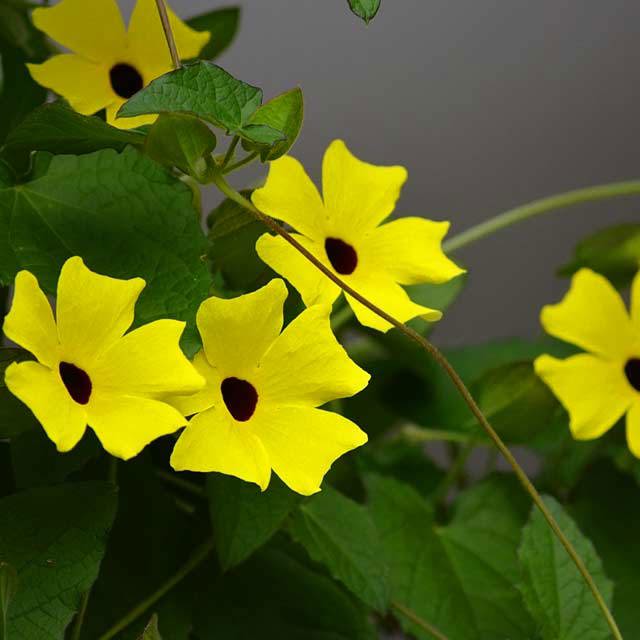
Thunbergia alata Leggy Stems
eco Leggy Stems

Thunbergia alata – Leggy Stems

Why does your Thunbergia alata have leggy stems? Diagnose the cause and fix it with our step-by-step guide.

pets Pet Friendly

search Possible Causes

error

Insufficient Light Intensity

Thunbergia alata is a sun-loving species that requires high light levels to maintain compact growth. When light is low, the plant undergoes etiolation, stretching its internodes excessively to search for a light source.

Very Common
lightbulb
How to confirm: Observe if the leaves are smaller and paler than usual while the stem spacing increases.
build How to fix it
shopping_cart Recommended Products
1 Move your plant to a location with much higher light intensity, such as a south-facing window or outdoors in direct sunlight.
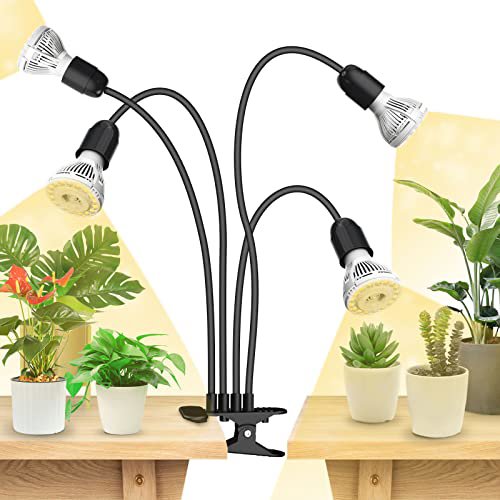
2 Supplement with a full-spectrum grow light to provide the necessary energy for compact, healthy growth.
3 Prune the excessively long, weak stems to encourage bushier growth and prevent the plant from collapsing.
error

Excessive Nitrogen Fertilization

An imbalance in nutrients, specifically an overabundance of nitrogen, promotes rapid vegetative growth at the expense of structural integrity. This results in soft, weak, and elongated stems that lack the strength to support heavy blooms.

Very Common
lightbulb
How to confirm: Check if your recent fertilizer use has been high in the first number (N) of the N-P-K ratio.
build How to fix it
shopping_cart Recommended Products
1 Stop all nitrogen-rich fertilization immediately to allow the plant to stabilize and prevent further rapid, weak growth.
2 Flush the soil with plenty of fresh water to leach out excess nitrogen salts from the root zone.
3 Prune back the elongated, leggy stems to encourage bushier growth and stronger structural development.
warning

Inadequate Air Circulation

Stagnant air around the vine can lead to a lack of mechanical stress on the stems. Without slight wind or air movement to trigger 'thigmomorphogenesis,' the plant does not produce the lignin necessary to thicken its stems.

Common
lightbulb
How to confirm: Check if the plant is kept in a corner or an enclosed greenhouse space with no breeze.
build How to fix it
shopping_cart Recommended Products
1 Increase air movement around the plant by placing a small fan nearby to simulate natural wind and trigger stem strengthening.
2 Prune back the longest, weakest stems to encourage denser, bushier growth and improve airflow through the foliage.
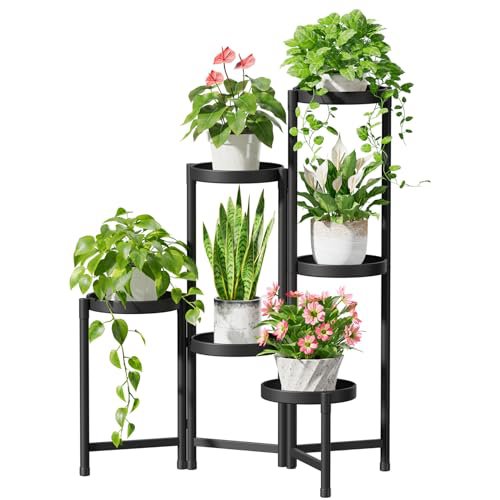
3 Ensure the plant is not crowded by other greenery; use a plant stand to elevate it and improve surrounding circulation.
warning

Overwatering/High Humidity without Light

While Thunbergia loves moisture, high water availability combined with low light levels causes the cells to expand rapidly through turgor pressure, leading to weak, succulent, and spindly growth.

Common
lightbulb
How to confirm: Feel if the soil remains saturated for long periods between watering sessions.
build How to fix it
shopping_cart Recommended Products
1 Increase light exposure by moving the plant to a brighter location or providing supplemental lighting to prevent further stretching.
2 Reduce watering frequency and allow the top inch of soil to dry out before watering again to prevent root rot and excessive cell expansion.
3 Prune the long, spindly stems to encourage bushier growth and improve airflow around the plant.

Other Thunbergia alata problems

Your plant might also be experiencing one of these issues:

local_hospital All symptoms eco All plants with leggy stems
favorite