Thunbergia erecta Leggy Stems
eco Leggy Stems

Thunbergia erecta – Leggy Stems

Why does your Thunbergia erecta have leggy stems? Diagnose the cause and fix it with our step-by-step guide.

pets Pet Friendly

search Possible Causes

error

Insufficient Light Intensity

As a sun-loving species, Thunbergia erecta undergoes etiolation when light levels are too low. The plant stretches its internodes to search for a brighter light source, resulting in weak, elongated stems.

Very Common
lightbulb
How to confirm: Observe if the growth appears pale and thin specifically in areas shaded by other foliage or indoor placement.
build How to fix it
shopping_cart Recommended Products
1 Move your plant to a location with much higher light intensity, such as a south-facing window or a spot with bright, direct sunlight.
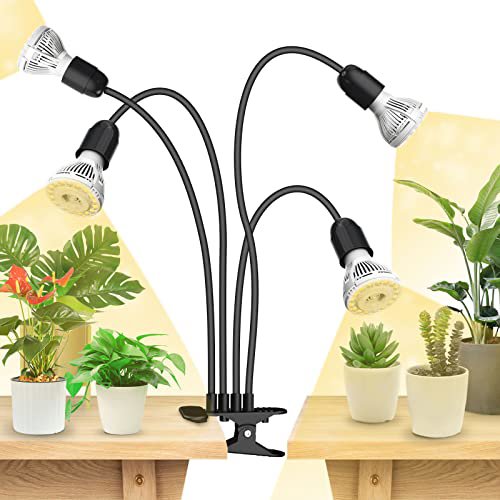
2 Supplement with a full-spectrum grow light to provide the necessary intensity for healthy, compact growth.
3 Prune back the elongated, weak stems to encourage bushier growth and prevent the plant from collapsing under its own weight.
warning

Excessive Nitrogen Fertilization

High levels of nitrogen can stimulate rapid, succulent vegetative growth that lacks structural integrity. This causes the Bush Clock Vine to produce soft, floppy stems that cannot support their own weight.

Common
lightbulb
How to confirm: Review your recent fertilizer use and check if the new growth is dark green but exceptionally soft and weak.
build How to fix it
shopping_cart Recommended Products
1 Stop all nitrogen-rich fertilization immediately to prevent further soft, succulent growth.
2 Prune back the long, weak stems to a more compact structure, which encourages bushier growth and better structural integrity.
3 Provide supplemental light to strengthen the plant and prevent further stretching of the stems.
warning

Inadequate Air Circulation

Stagnant air around the canopy prevents the plant from developing strong, woody stem structures. This lack of mechanical stress leads to 'floppy' growth patterns in tropical shrubs.

Common
lightbulb
How to confirm: Check if the stems are most leggy in areas with low airflow or tucked away in corners of a greenhouse/patio.
build How to fix it
shopping_cart Recommended Products
1 Increase airflow around the plant by using a small fan or moving it to a more ventilated area to provide mechanical stress to the stems.
2 Prune back the longest, weakest stems using sharp, clean shears to encourage bushier, more compact growth.
3 Provide supplemental light to strengthen the plant's structure and prevent further stretching.
warning

Overwatering and Root Stress

While primarily causing wilting, chronic overwatering can lead to root decline which prevents the plant from supporting dense foliage. This results in sparse, spindly growth as the plant struggles to maintain nutrient transport.

Common
lightbulb
How to confirm: Feel the substrate; if it remains saturated for long periods, the lack of oxygen is likely hindering structural development.
build How to fix it
shopping_cart Recommended Products
1 Check the soil moisture levels immediately using a moisture meter to ensure the root zone is not staying saturated.
2 Repot the plant in a well-draining medium, incorporating perlite to improve aeration and prevent future root rot.
3 Apply a microbial-based fertilizer to help stimulate root zone recovery and strengthen the plant's structure.

Other Thunbergia erecta problems

Your plant might also be experiencing one of these issues:

local_hospital All symptoms eco All plants with leggy stems
favorite