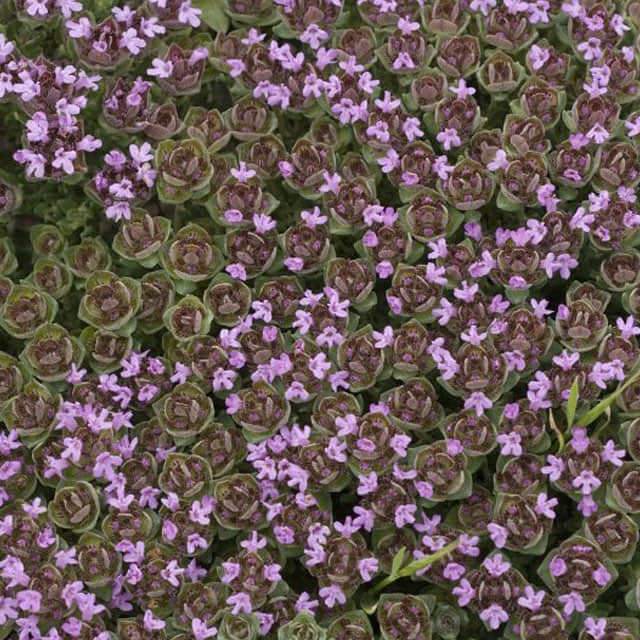
Thymus camphoratus White Powder
eco White Powder

Thymus camphoratus – White Powder

Why does your Thymus camphoratus have white powder? Diagnose the cause and fix it with our step-by-step guide.

pets Pet Friendly

search Possible Causes

error

Powdery Mildew

This is a fungal disease caused by organisms like Podosphaera species, which thrive in humid conditions with poor air circulation around the dense foliage of Camphor Thyme. It manifests as a distinct white, flour-like coating on the leaves and stems.

Very Common
lightbulb
How to confirm: Inspect if the white patches are fuzzy/powdery and if they appear more frequently on older, shaded leaves.
build How to fix it
shopping_cart Recommended Products
1 Apply an organic fungicide to eliminate the existing fungal spores and prevent further spread across the foliage.
2 Prune away heavily infected stems and leaves using clean shears to reduce the fungal load and improve airflow.
3 Increase air circulation around the plant and avoid overhead watering to ensure the foliage stays dry, as moisture promotes mildew growth.
warning

Mealybugs

These small, soft-bodied insects secrete a white, cottony wax to protect themselves, which can easily be mistaken for fungal growth. They tend to congregate in the crevices of the Thyme stems and under the leaves, sucking plant sap.

Common
lightbulb
How to confirm: Check if the white spots move when poked or if you see tiny scale-like insects nestled in the leaf axils.
build How to fix it
shopping_cart Recommended Products
1 Isolate the plant immediately to prevent the mealybugs from spreading to other greenery and use a cotton swab dipped in rubbing alcohol to manually remove visible white wax clusters.
2 Apply an organic insecticide spray to the entire plant, ensuring you coat the undersides of leaves and stem crevices where pests hide.
3 Monitor the plant regularly using yellow sticky traps to capture any remaining adult insects or migrating crawlers.
warning

Mineral Deposits (Salt Build-up)

Excessive use of hard water or fertilizers can leave white, crusty residues on the surface of the leaves and soil. Unlike mildew, these deposits are usually crystalline rather than fuzzy.

Common
lightbulb
How to confirm: Check if the white substance is crunchy/crusty and if it is also present on the edges of the terracotta pot.
build How to fix it
shopping_cart Recommended Products
1 Flush the soil thoroughly with distilled or demineralized water to leach out accumulated mineral salts and prevent further buildup.
2 Gently wipe the leaves with a damp, soft cloth to remove existing crystalline deposits and prevent them from clogging plant pores.
3 Switch to using a high-quality liquid fertilizer and monitor moisture levels with a meter to avoid over-fertilizing.

Other Thymus camphoratus problems

Your plant might also be experiencing one of these issues:

local_hospital All symptoms eco All plants with white powder
favorite


