Thymus herba-barona Drooping Leaves
eco Drooping Leaves

Thymus herba-barona – Drooping Leaves

Why does your Thymus herba-barona have drooping leaves? Diagnose the cause and fix it with our step-by-step guide.

pets Pet Friendly

search Possible Causes

error

Overwatering and Root Rot

Thyme is highly susceptible to fungal pathogens like Phytophthora if the soil remains saturated. Excess moisture deprives roots of oxygen, causing them to decay and preventing water transport to the foliage.

Very Common
lightbulb
How to confirm: Stick your finger deep into the soil; if it feels muddy or stays wet for days, you are likely overwatering.
build How to fix it
shopping_cart Recommended Products
1 Immediately remove the plant from its current container and trim away any mushy, black, or foul-smelling decayed roots.
2 Repot the thyme in a well-draining, gritty medium by mixing organic potting soil with perlite or horticultural perlite to improve aeration.
3 Ensure the new pot has excellent drainage and use a moisture meter to monitor the soil, allowing it to dry out significantly before the next watering.
error

Underwatering (Drought Stress)

As a Mediterranean herb, Thyme prefers well-draining soil but requires consistent moisture to maintain turgor pressure. Severe dehydration causes the leaves to lose structural integrity and wilt.

Very Common
lightbulb
How to confirm: Check if the soil is bone dry and if the stems feel brittle or shriveled.
build How to fix it
shopping_cart Recommended Products
1 Immediately check the soil moisture level using a probe to confirm the depth of dehydration.
2 Deeply water the plant until water flows out of the drainage holes, ensuring the entire root ball is saturated.
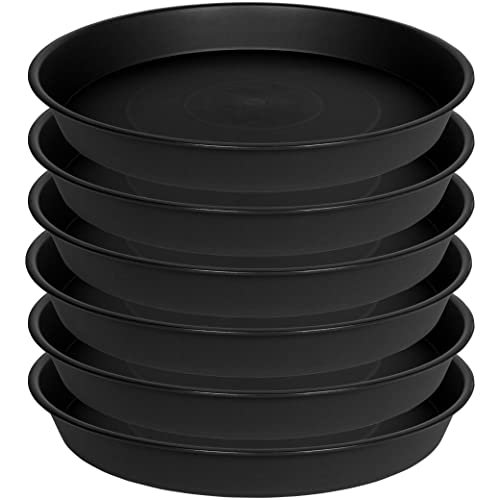
3 Ensure the plant is in a well-draining container with a saucer to prevent water from pooling at the base, which can lead to rot after rehydration.
warning

Poor Drainage / Soil Compaction

If the growing medium lacks sufficient grit or perlite, water sits around the root ball. This creates an anaerobic environment that suffocates the Thyme's fine feeder roots.

Common
lightbulb
How to confirm: Observe if water pools on the surface of the pot after watering rather than draining quickly through the bottom holes.
build How to fix it
shopping_cart Recommended Products
1 Repot the thyme in a well-draining medium by mixing your current soil with horticultural perlite to increase aeration and prevent waterlogging.
2 Ensure the plant is in a container with adequate drainage holes and use a saucer to catch excess water, making sure not to let the pot sit in standing water.
3 Use a soil moisture meter to monitor the root zone, ensuring you only water when the top inch of soil is dry to avoid further root suffocation.
warning

Fungal Leaf Spot (Septoria or similar)

High humidity and lack of air circulation can trigger fungal infections. This often starts with drooping accompanied by small dark spots on the leaves.

Common
lightbulb
How to confirm: Inspect the underside of the drooping leaves for tiny dark lesions or fuzzy growth.
build How to fix it
shopping_cart Recommended Products
1 Apply an organic fungicide to eliminate the fungal infection and prevent the spread of dark spots.
2 Improve air circulation around the plant and reduce humidity by avoiding overhead watering.
3 Prune and discard any heavily infected leaves to reduce the fungal load in the plant canopy.

Other Thymus herba-barona problems

Your plant might also be experiencing one of these issues:

local_hospital All symptoms eco All plants with drooping leaves
favorite