Thymus vulgaris Fine Webbing
eco Fine Webbing

Thymus vulgaris – Fine Webbing

Why does your Thymus vulgaris have fine webbing? Diagnose the cause and fix it with our step-by-step guide.

pets Pet Friendly

search Possible Causes

error

Two-Spotted Spider Mite Infestation

The fine webbing is a classic sign of spider mites, which thrive in the hot, dry conditions often experienced by thyme. These tiny arachnids pierce the plant cells to feed, causing stippling and eventual leaf drop.

Very Common
lightbulb
How to confirm: Hold a white piece of paper under a thyme sprig and tap it sharply to see if tiny crawling specks fall onto the paper.
build How to fix it
shopping_cart Recommended Products
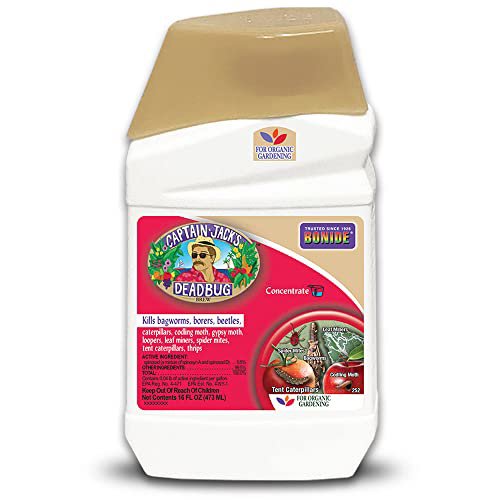
1 Immediately spray the plant with an organic miticide to eliminate the spider mite population and destroy eggs.
2 Increase humidity around the thyme and ensure the soil does not become too dry, as spider mites thrive in arid environments.
3 Inspect nearby plants and treat them with a similar spray to prevent the infestation from spreading.
error

Tetranychus urticae (European Red Spider Mite)

Specific to many Mediterranean herbs like Thymus vulgaris, this mite species creates dense silken webs when colonies become large. The webbing acts as a protective microenvironment for the mites during dry spells.

Very Common
lightbulb
How to confirm: Inspect the undersides of the thyme leaves for small, yellowish-white dots or fine silk strands clinging to the leaf veins.
build How to fix it
shopping_cart Recommended Products
1 Apply an organic miticide/insecticide spray to the plant to eliminate the spider mite population and destroy the webbing.
2 Increase humidity around the thyme and ensure the soil does not dry out excessively, as spider mites thrive in dry conditions.
3 Check the soil moisture levels regularly to prevent the dry spells that trigger mite outbreaks.
warning

High Humidity and Fungal Growth

While less common than mites, excessive moisture trapped within the dense foliage of thyme can lead to secondary fungal threads that mimic fine webbing. This often occurs if air circulation is poor around the woody stems.

Common
lightbulb
How to confirm: Check if the 'webbing' feels slimy or damp rather than dry and structural like silk.
build How to fix it
shopping_cart Recommended Products
1 Improve air circulation around the thyme by thinning out dense foliage and ensuring the plant is not crowded by other greenery.
2 Reduce watering frequency and ensure the top inch of soil is dry before re-moisturizing to prevent fungal threads from forming.
3 Apply an organic fungicide spray to treat any visible fungal growth and protect the woody stems.

Other Thymus vulgaris problems

Your plant might also be experiencing one of these issues:

local_hospital All symptoms eco All plants with fine webbing
favorite