Tomato Master No. 2 F1 Sudden Leaf Drop
eco Sudden Leaf Drop

Tomato Master No. 2 F1 – Sudden Leaf Drop

Why does your Tomato Master No. 2 F1 have sudden leaf drop? Diagnose the cause and fix it with our step-by-step guide.

search Possible Causes

error

Fusarium Wilt

This soil-borne fungus invades the vascular system of the tomato plant, blocking water and nutrient transport. It typically causes progressive yellowing and sudden wilting/dropping of lower leaves.

Very Common
lightbulb
How to confirm: Cut a stem near the base and check if the internal vascular tissue is distinctly brown rather than green.
build How to fix it
shopping_cart Recommended Products
1 Immediately remove and destroy the infected plant and all surrounding debris to prevent the soil-borne fungus from spreading to healthy plants.
2 Sterilize all gardening tools, such as your pruning shears, with alcohol or a disinfectant to avoid further transmission of the pathogen.
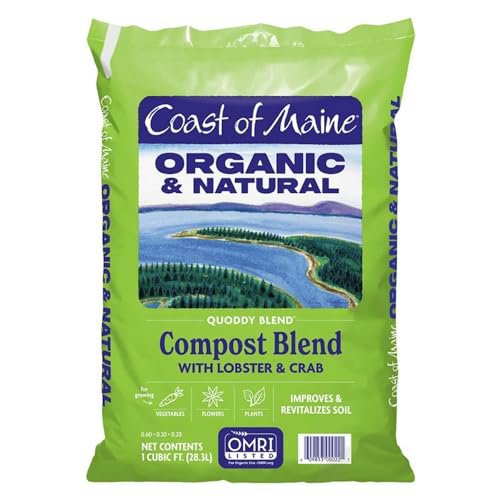
3 Avoid planting tomatoes or related nightshades in this soil for several years, or amend the area with organic matter like worm castings to improve soil health.
error

Water Stress (Fluctuating Moisture)

Rapid shifts between extreme drought and heavy saturation cause the tomato plant to enter survival mode, shedding leaves to reduce transpiration. This is particularly common in hybrid varieties like Master No. 2 during heatwaves.

Very Common
lightbulb
How to confirm: Check if the soil surface is bone dry or if there has been significant recent rainfall/overwatering.
build How to fix it
shopping_cart Recommended Products
1 Stabilize the moisture levels by checking the soil depth before watering; use a moisture meter to ensure the soil remains consistently damp but not waterlogged.
2 Apply a mulch layer or organic amendment like worm castings to help the soil retain moisture and buffer against rapid drying during heatwaves.
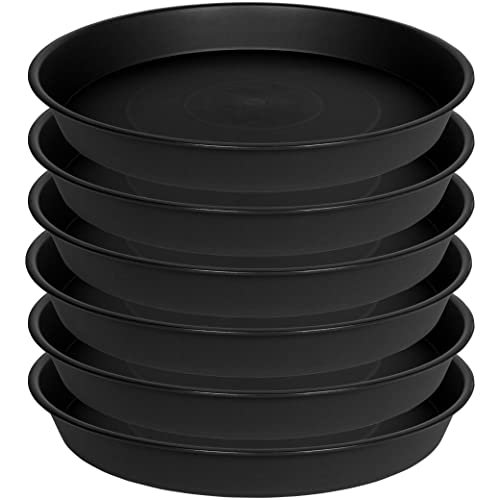
3 Ensure the plant is in a container with excellent drainage and consider using a saucer to catch excess water and prevent the roots from sitting in stagnant liquid.
warning

Bacterial Wilt (Ralstonia solanacearum)

A highly aggressive bacterium that causes rapid collapse of the plant tissue. Unlike fungal wilts, the leaf drop and wilting can happen almost overnight.

Common
lightbulb
How to confirm: Cut a wilted stem and place it in a clear glass of water to see if a milky white bacterial ooze emerges.
build How to fix it
shopping_cart Recommended Products
1 Immediately remove and destroy the infected plant and all surrounding debris to prevent the bacteria from spreading to healthy plants via soil or water.
2 Sterilize all gardening tools, such as pruning shears, with a 10% bleach solution or alcohol after use to avoid cross-contamination.
3 Avoid planting tomatoes or other susceptible nightshades in this area for at least two years, and consider amending the soil with organic matter to improve health.
warning

Phytophthora Blight

This oomycete attacks the stems and leaves, especially in humid conditions. It can cause rapid necrosis of foliage, leading to premature leaf abscission.

Common
lightbulb
How to confirm: Inspect the lower stems for dark, water-soaked lesions that extend upward toward the leaves.
build How to fix it
shopping_cart Recommended Products
1 Remove and destroy all infected foliage and debris immediately to prevent the spread of the pathogen, ensuring you do not compost the diseased material.
2 Apply an organic fungicide to protect healthy plant tissues from further infection.
3 Improve air circulation around the plant and avoid overhead watering to reduce the humidity that promotes blight development.

Other Tomato Master No. 2 F1 problems

Your plant might also be experiencing one of these issues:

local_hospital All symptoms eco All plants with sudden leaf drop
favorite