Tomato Yellow TI 169 F1 Yellow Leaves
eco Yellow Leaves

Tomato Yellow TI 169 F1 – Yellow Leaves

Why does your Tomato Yellow TI 169 F1 have yellow leaves? Diagnose the cause and fix it with our step-by-step guide.

search Possible Causes

error

Nitrogen Deficiency

The older, lower leaves of the tomato plant turn pale yellow first as the plant relocates nitrogen to newer growth. This is common in heavy-feeding cherry tomato varieties during peak vegetative stages.

Very Common
lightbulb
How to confirm: Check if the yellowing pattern starts at the bottom of the plant and moves upward while new growth remains green.
build How to fix it
shopping_cart Recommended Products
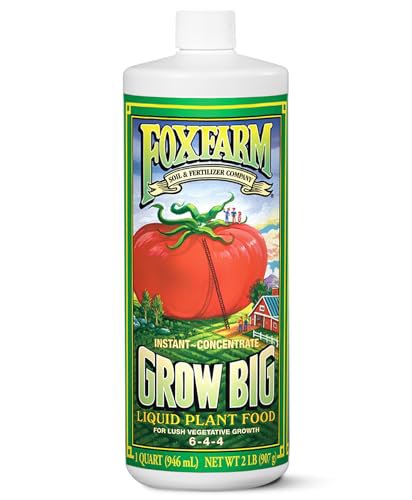
1 Apply a nitrogen-rich liquid fertilizer to provide immediate nutrient uptake for the developing foliage.
2 Incorporate a balanced organic soil amendment like worm castings into the top layer of soil to support long-term nitrogen availability.
3 Monitor soil moisture levels regularly to ensure the plant can effectively absorb the newly applied nutrients.
error

Overwatering / Poor Drainage

Excessive moisture in the root zone deprives tomato roots of oxygen, leading to chlorosis (yellowing) and eventual wilting. Cherry tomatoes are particularly sensitive to 'wet feet' which can trigger early leaf senescence.

Very Common
lightbulb
How to confirm: Stick your finger two inches into the soil to see if it feels saturated or muddy.
build How to fix it
shopping_cart Recommended Products
1 Immediately check the soil moisture level using a meter to confirm if the root zone is saturated.
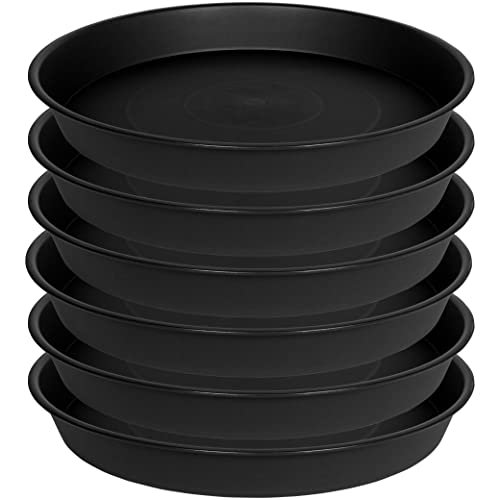
2 Repot the tomato plant into a container with superior drainage, such as a Root & Vessel cylinder pot, and use a well-draining medium amended with perlite to improve aeration.
3 Ensure the plant is not sitting in stagnant water by using a drainage saucer to catch overflow without allowing the pot to remain submerged.
warning

Tomato Yellow Leaf Curl Virus (TYLCV)

This viral pathogen causes upward curling of leaves and distinct yellowing along the margins. It is specifically transmitted by whiteflies and can devastate F1 hybrid tomato yields.

Common
lightbulb
How to confirm: Observe if the leaves are curling upwards/inwards in addition to the yellowing pattern.
build How to fix it
shopping_cart Recommended Products
1 Immediately inspect the plant for whiteflies and apply an organic insecticide to eliminate the virus vector.
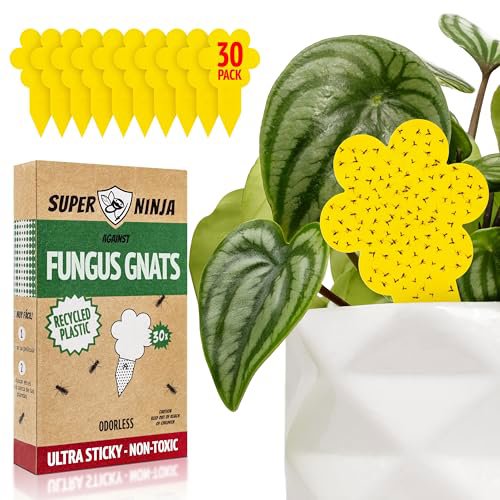
2 Use yellow sticky traps to monitor and capture adult whiteflies before they can spread the virus to healthy plants.
3 Since there is no cure for TYLCV, remove and destroy the infected plant immediately to prevent the virus from spreading to your remaining tomato crop.
warning

Magnesium Deficiency

Interveinal chlorosis, where the veins remain green but the tissue between them turns yellow, is a classic sign of magnesium deficiency in tomatoes. This often manifests on older leaves during high-growth periods.

Common
lightbulb
How to confirm: Inspect if the yellowing is specifically located between the leaf veins while the veins themselves stay dark green.
build How to fix it
shopping_cart Recommended Products
1 Apply a magnesium-rich supplement to the soil to quickly address the interveinal chlorosis.
2 Ensure the plant is receiving consistent nutrition by using a balanced liquid fertilizer during its high-growth phase.
3 Monitor soil moisture levels with a meter to prevent nutrient leaching caused by overwatering.

Other Tomato Yellow TI 169 F1 problems

Your plant might also be experiencing one of these issues:

local_hospital All symptoms eco All plants with yellow leaves
favorite