Trachelospermum jasminoides Flame Brown Leaf Tips
eco Brown Leaf Tips

Trachelospermum jasminoides Flame – Brown Leaf Tips

Why does your Trachelospermum jasminoides Flame have brown leaf tips? Diagnose the cause and fix it with our step-by-step guide.

search Possible Causes

error

Salt Accumulation (Fertilizer Burn)

Accumulated mineral salts from fertilizers or hard tap water can draw moisture out of the leaf margins, causing distinctive brown tips. This is particularly common in variegated varieties like 'Flame' which can be more sensitive to osmotic stress.

Very Common
lightbulb
How to confirm: Check if you have recently fertilized and try flushing the soil with distilled water to see if symptoms stabilize.
build How to fix it
shopping_cart Recommended Products
1 Flush the soil thoroughly with large amounts of distilled or rainwater to leach out accumulated mineral salts from the root zone.
2 Prune away the brown, crispy leaf tips using clean shears to prevent further aesthetic damage and improve plant appearance.
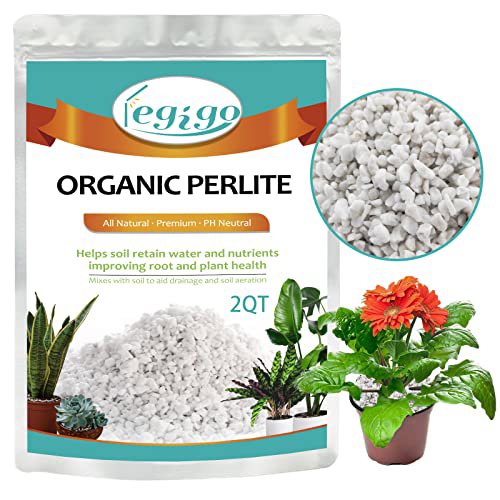
3 Repot the plant into fresh, well-draining soil and incorporate perlite to improve aeration and prevent future salt buildup.
error

Inconsistent Soil Moisture

Star Jasmine requires consistent moisture; periods of extreme drought followed by heavy watering cause the leaf edges to desiccate. The 'Flame' cultivar, with its thinner variegated margins, is highly susceptible to rapid transpiration changes.

Very Common
lightbulb
How to confirm: Stick your finger two inches into the soil to see if it has gone bone-dry between waterings.
build How to fix it
shopping_cart Recommended Products
1 Monitor soil moisture levels closely using an analog meter to ensure the soil stays consistently damp but not waterlogged.
2 Apply a consistent watering schedule and consider using a moisture-retaining substrate like perlite or vermiculite to buffer against drought periods.
3 Mulch the top of the soil with organic matter to help regulate temperature and reduce rapid evaporation.
warning

Low Humidity / Dry Air

In indoor settings or low-humidity climates, transpiration exceeds the root's ability to supply water to the leaf extremities. The variegated white/pink edges of 'Flame' lack chlorophyll and can dry out faster than the green sections.

Common
lightbulb
How to confirm: Place a pebble tray with water near the plant or use a humidifier to increase local ambient moisture.
build How to fix it
shopping_cart Recommended Products
1 Increase local humidity around the plant by using a pebble tray or a fine misting spray bottle to hydrate the foliage.
2 Monitor soil moisture levels closely to ensure the plant is not experiencing drought stress, using a moisture meter to prevent the soil from drying out completely.
3 If the plant is in a very dry indoor environment, consider placing a humidifier nearby to stabilize the air moisture around the variegated edges.
warning

Root Bound or Poor Drainage

If the root system is cramped or sitting in stagnant water, oxygen deprivation prevents efficient nutrient transport to leaf tips. This leads to localized necrosis at the furthest points from the vascular source.

Common
lightbulb
How to confirm: Gently lift the plant from its pot to inspect if the roots are circling tightly or appear dark and slimy.
build How to fix it
shopping_cart Recommended Products
1 Check the soil moisture levels using a moisture meter to ensure the roots are not sitting in stagnant, waterlogged soil.
2 Repot the plant into a larger container with improved drainage, such as a pot with a drainage tray, and use a well-aerating medium like a mix containing perlite.
3 Ensure the new pot has a drainage system to prevent oxygen deprivation caused by water pooling at the root zone.
local_hospital All symptoms eco All plants with brown leaf tips
favorite