Trachycarpus wagnerianus Yellow Leaves
eco Yellow Leaves

Trachycarpus wagnerianus – Yellow Leaves

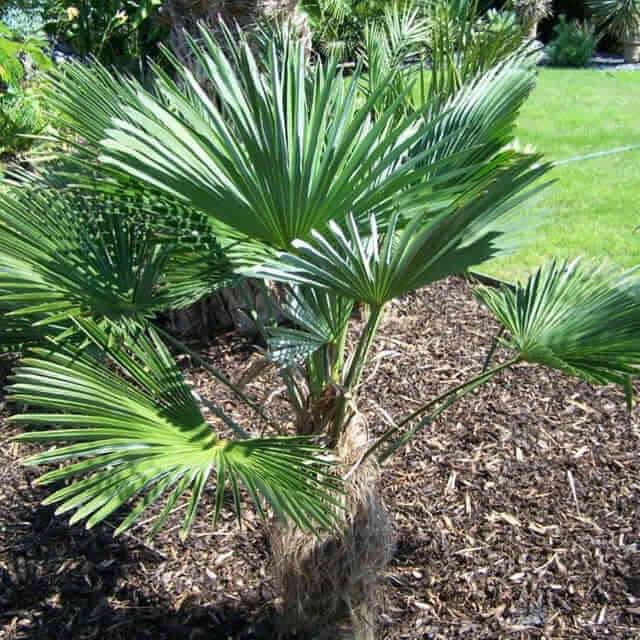
Why does your Trachycarpus wagnerianus have yellow leaves? Diagnose the cause and fix it with our step-by-step guide.

pets Pet Friendly

search Possible Causes

error

Nutrient Deficiency (Nitrogen or Magnesium)

Slow-growing palms like Trachycarpus wagnerianus often exhibit chlorosis when nitrogen or magnesium levels in the soil are depleted. This typically manifests as a pale yellowing of older fronds first.

Very Common
lightbulb
How to confirm: Observe if the yellowing starts on the oldest, outermost leaves while the new growth remains green.
build How to fix it
shopping_cart Recommended Products
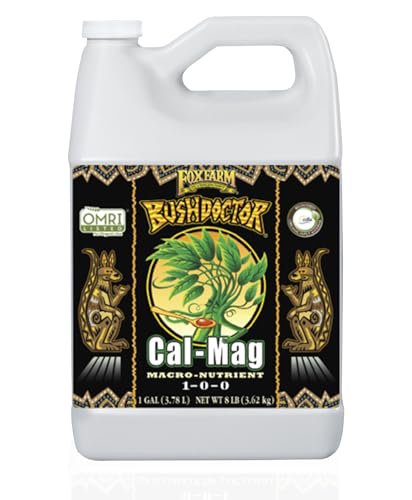
1 Apply a nitrogen-rich organic fertilizer to replenish depleted soil nutrients and restore green color to the fronds.
2 Supplement with a magnesium-rich fertilizer to address potential chlorosis and strengthen cell walls.
3 Monitor soil moisture levels using an analog meter to ensure consistent hydration, as improper watering can interfere with nutrient uptake.
error

Overwatering and Root Hypoxia

Excessive moisture in heavy or poorly draining soil prevents oxygen from reaching the roots, leading to root rot. This disruption stops the upward transport of nutrients, causing leaves to turn yellow and limp.

Very Common
lightbulb
How to confirm: Stick your finger two inches into the substrate to see if it remains saturated even days after the last watering.
build How to fix it
shopping_cart Recommended Products
1 Immediately reduce watering frequency and allow the soil to dry out significantly before the next application.
2 Repot the palm into a well-draining medium by mixing in perlite to improve aeration and prevent future root hypoxia.
3 Inspect the roots for mushy, dark brown rot; trim away any damaged sections using sterilized tools.
warning

Temperature Stress (Cold Damage)

While relatively hardy, sudden extreme temperature fluctuations or frost can damage the cellular structure of the fronds in Trachycarpus wagnerianus. This often results in yellowing followed by browning of leaf tips.

Common
lightbulb
How to confirm: Check if the yellowing coincided with a recent cold snap or a significant drop in nighttime temperatures.
build How to fix it
shopping_cart Recommended Products
1 Move the plant to a sheltered location or indoors to protect it from further extreme temperature fluctuations and frost.
2 Apply a liquid seaweed fertilizer to help the plant recover from environmental stress and boost nutrient uptake.
3 Monitor soil moisture closely to ensure the roots are not sitting in water, which can exacerbate stress during cold periods.
warning

Salt Accumulation

Accumulated mineral salts from tap water or excessive fertilizer can burn the root system and cause leaf discoloration. This is particularly common in container-grown dwarf palms where drainage may be limited.

Common
lightbulb
How to confirm: Look for white, crusty residue on the soil surface or the edges of the pot.
build How to fix it
shopping_cart Recommended Products
1 Flush the soil thoroughly with distilled or rainwater to leach out accumulated mineral salts from the root zone.
2 Check the soil moisture levels regularly to ensure you are not overwatering, which can exacerbate salt buildup.
3 Repot the palm in fresh, well-draining potting soil and ensure the container has adequate drainage holes to prevent future salt stagnation.
local_hospital All symptoms eco All plants with yellow leaves
favorite