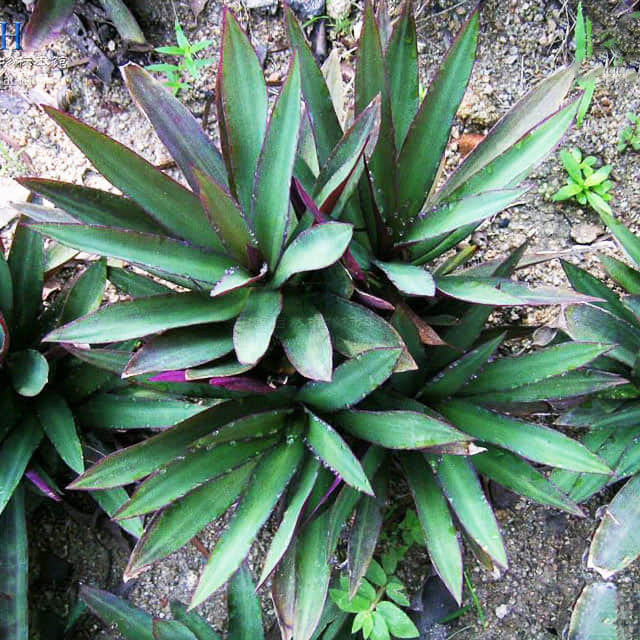
Tradescantia spathacea Leggy Stems
eco Leggy Stems

Tradescantia spathacea – Leggy Stems

Why does your Tradescantia spathacea have leggy stems? Diagnose the cause and fix it with our step-by-step guide.

search Possible Causes

error

Insufficient Light Exposure

This species is phototropic; when light levels are too low, the plant stretches its stems toward light sources to increase surface area for photosynthesis. This results in elongated, weak internodes and a loss of the compact, rosette-like structure.

Very Common
lightbulb
How to confirm: Observe if the leaves are leaning heavily towards a window or if the stem spacing between leaves has noticeably increased.
build How to fix it
shopping_cart Recommended Products
1 Move your plant to a location with brighter, indirect sunlight to prevent further stretching and encourage a more compact growth habit.
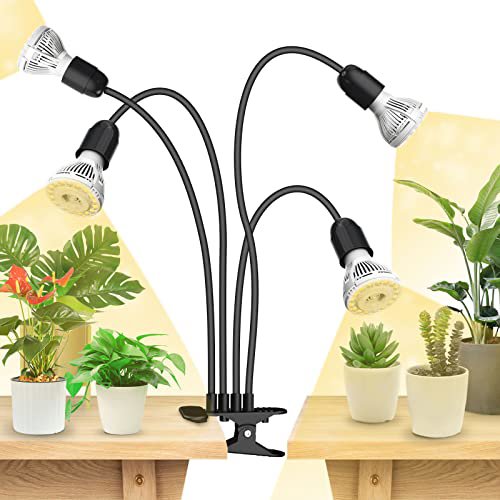
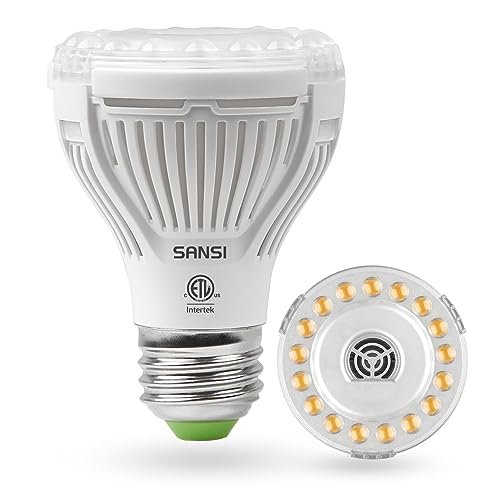
2 Supplement with a full-spectrum grow light to provide the necessary intensity for photosynthesis, especially if natural light is insufficient.
3 Prune the elongated, leggy stems back to a node to stimulate new, bushier growth from the base.
warning

Nutrient Deficiency (Nitrogen/Potassium)

A lack of essential macronutrients can lead to rapid, weak cell wall development. Without enough potassium or nitrogen, the plant cannot maintain structural integrity, leading to floppy, spindly growth.

Common
lightbulb
How to confirm: Check if the new growth is significantly paler or more yellowish than the mature purple/green leaves.
build How to fix it
shopping_cart Recommended Products
1 Apply a balanced liquid fertilizer to boost nitrogen and potassium levels for stronger cell wall development.
2 Prune the leggy, spindly stems to encourage new, bushier growth from the base of the plant.
3 Ensure the plant is receiving adequate light to prevent further stretching and etiolation.
warning

Overwatering and Root Stress

Excessive moisture can cause root decay, which impairs the plant's ability to transport structural minerals. As roots fail, the plant loses turgor pressure, making stems appear limp and elongated rather than robust.

Common
lightbulb
How to confirm: Inspect the soil moisture levels and check for any dark, soft, or foul-smelling roots during a repotting session.
build How to fix it
shopping_cart Recommended Products
1 Check the soil moisture levels immediately using a moisture meter to confirm if the root zone is staying too wet.
2 Repot the plant into a well-draining medium, incorporating perlite to improve aeration and prevent future root rot.
3 Prune the elongated, leggy stems to encourage new, bushier growth from the base of the plant.
warning

Temperature Fluctuations

Sudden drops in temperature can shock the metabolic processes of Tradescantia spathacea. This stress can trigger an emergency growth spurt (etiolation) as the plant attempts to reach more stable environments.

Common
lightbulb
How to confirm: Check if the plant is located near a cold draft, such as an air conditioning vent or a drafty window.
build How to fix it
shopping_cart Recommended Products
1 Stabilize the plant's environment by moving it away from cold drafts, windows, or air conditioning vents to prevent further temperature shocks.
2 Provide supplemental light to reduce the plant's need to stretch for energy, using a full-spectrum light if natural light is insufficient.
3 Prune the elongated, leggy stems to encourage bushier growth and prevent the plant from becoming too top-heavy.

Other Tradescantia spathacea problems

Your plant might also be experiencing one of these issues:

local_hospital All symptoms eco All plants with leggy stems
favorite