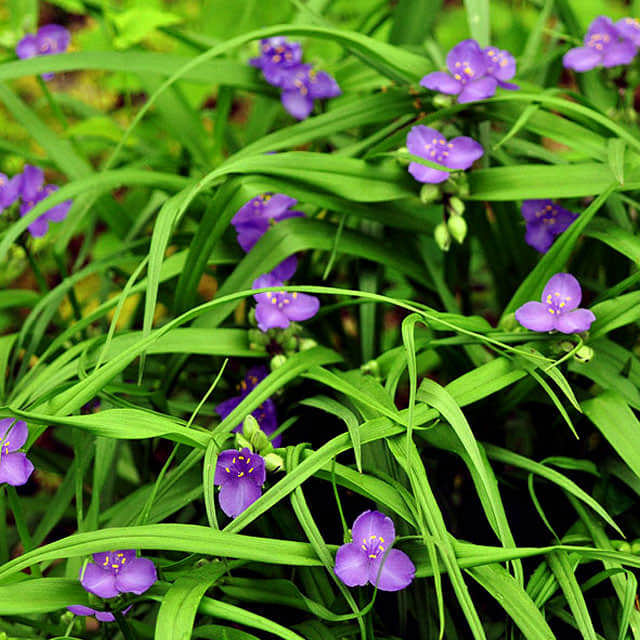
Tradescantia virginiana Brown Leaf Tips
eco Brown Leaf Tips

Tradescantia virginiana – Brown Leaf Tips

Why does your Tradescantia virginiana have brown leaf tips? Diagnose the cause and fix it with our step-by-step guide.

search Possible Causes

error

Low Humidity

Tradescantia virginiana is native to moist environments; when ambient humidity drops below 40%, the leaf margins and tips dry out quickly. This is common in indoor settings during winter months.

Very Common
lightbulb
How to confirm: Check if the brown tips coincide with the use of indoor heating or low-humidity seasons.
build How to fix it
shopping_cart Recommended Products
1 Increase ambient humidity around the plant by using a pebble tray or a humidifier to maintain levels above 40%.
2 Mist the foliage regularly with a fine spray to provide immediate moisture to the leaves.
3 Trim the brown, dried tips with clean scissors to prevent further aesthetic decline and focus the plant's energy on new growth.
error

Salt/Mineral Accumulation

Excessive buildup of salts from tap water (chlorine, fluorides) or fertilizers can burn the delicate tips of Spiderwort leaves. This species is particularly sensitive to high concentrations of dissolved solids in irrigation water.

Very Common
lightbulb
How to confirm: Observe if a white crusty residue is visible on the soil surface or the pot edges.
build How to fix it
shopping_cart Recommended Products
1 Flush the soil thoroughly with distilled or rainwater to leach out accumulated mineral salts and prevent further tip burn.
2 Switch to using filtered or demineralized water for future watering to avoid introducing new chlorine and fluoride buildup.
3 Prune away the dead brown tips using sterilized shears to improve the plant's aesthetic and prevent further spread of damage.
warning

Inconsistent Watering

Allowing the soil to dry out completely between waterings causes physiological drought stress, leading to necrotic leaf tips. Spiderwort prefers consistently moist but well-drained soil.

Common
lightbulb
How to confirm: Touch the soil 1 inch below the surface to see if it has become bone-dry before the last watering.
build How to fix it
shopping_cart Recommended Products
1 Monitor soil moisture levels closely using an analog meter to ensure the soil stays consistently moist without becoming waterlogged.
2 Adjust your watering schedule to prevent the soil from drying out completely, maintaining a steady moisture level to avoid physiological drought stress.
3 If the soil has become compacted, repot the plant in a fresh, well-draining medium like a mix containing perlite to improve aeration and moisture retention.
warning

Fungal Leaf Spot (Rhizoctonia/Pythium)

While less common for just 'tips,' excessive moisture on foliage combined with poor air circulation can trigger fungal pathogens that cause necrotic browning. This usually progresses from the tips into the leaf blade.

Common
lightbulb
How to confirm: Inspect the brown areas for dark, irregular lesions or fuzzy mold growth on the underside of leaves.
build How to fix it
shopping_cart Recommended Products
1 Apply a fungicide to treat the fungal pathogen and prevent the spread of necrotic lesions across the leaf blades.
2 Improve air circulation around the foliage and avoid wetting the leaves during watering to reduce the humidity that fosters fungal growth.
3 Monitor soil moisture levels closely to ensure the medium is not staying too saturated, which can exacerbate root-based pathogens like Pythium.

Other Tradescantia virginiana problems

Your plant might also be experiencing one of these issues:

local_hospital All symptoms eco All plants with brown leaf tips
favorite