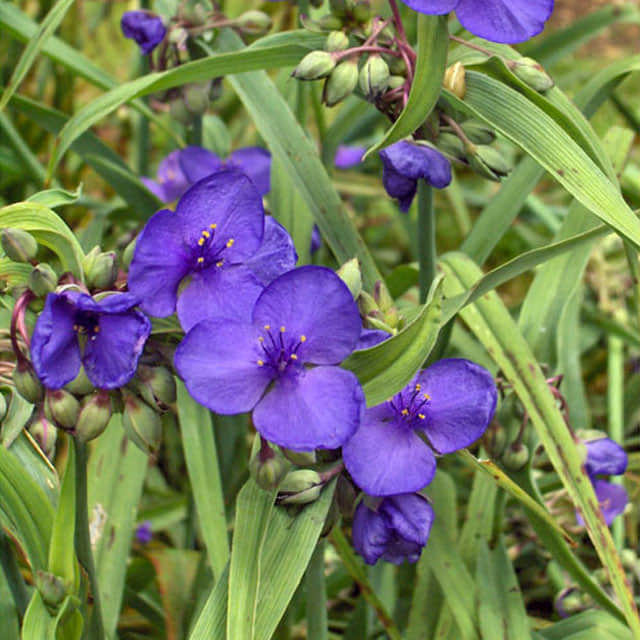
Tradescantia x andersoniana Drooping Leaves
eco Drooping Leaves

Tradescantia x andersoniana – Drooping Leaves

Why does your Tradescantia x andersoniana have drooping leaves? Diagnose the cause and fix it with our step-by-step guide.

search Possible Causes

error

Underwatering / Dehydration

As a succulent-like perennial, Tradescantia x andersoniana relies on turgor pressure in its stems to stay upright. When soil moisture is depleted, the plant quickly loses water through its leaves, causing visible wilting.

Very Common
lightbulb
How to confirm: Stick your finger one inch into the soil; if it feels bone dry, the plant needs immediate watering.
build How to fix it
shopping_cart Recommended Products
1 Immediately check the soil moisture level using a moisture meter to confirm the depth of dehydration.
2 Thoroughly soak the soil by watering until water flows freely from the drainage holes, ensuring the root ball is fully saturated.
3 Ensure the plant is in a pot with proper drainage and use a saucer to catch excess water, preventing future dehydration from uneven watering.
error

Root Rot (Overwatering)

Excessive moisture in the substrate leads to anaerobic conditions, causing the roots of the Tradescantia to decay. Once the roots rot, they can no longer transport water to the leaves, resulting in a drooping appearance despite wet soil.

Very Common
lightbulb
How to confirm: Gently lift the plant from its pot to check if the roots are black, slimy, or have a foul odor.
build How to fix it
shopping_cart Recommended Products
1 Immediately remove the plant from its current pot and inspect the roots; trim away any mushy, black, or foul-smelling decayed roots using sterilized shears.
2 Repot the plant in a fresh, well-draining substrate and a container with adequate drainage to prevent future water pooling.
3 Use a moisture meter to monitor the soil regularly, ensuring you only water when the top inch of soil is dry to avoid repeating overwatering.
warning

Temperature Stress / Cold Shock

Tradescantia x andersoniana is sensitive to sudden drops in temperature. Exposure to drafts or temperatures below 50°F (10°C) can cause the cell structure to weaken, leading to limp, drooping stems.

Common
lightbulb
How to confirm: Check if the plant is located near a drafty window or an air conditioning vent.
build How to fix it
shopping_cart Recommended Products
1 Immediately move the plant to a warm, draft-free location, ensuring temperatures remain consistently above 50°F (10°C).
2 Monitor the soil moisture closely to ensure the plant isn't also suffering from overwatering, as cold stress can slow down evaporation.
3 Apply a microbial-based fertilizer to help stimulate root zone recovery and strengthen the plant's resilience against environmental stress.
warning

Light Stress (Sunscald or Low Light)

While they love bright light, extreme direct afternoon sun can cause leaf desiccation and drooping. Conversely, extremely low light levels can lead to leggy, weak stems that lack the structural integrity to hold the leaves upright.

Common
lightbulb
How to confirm: Observe if the drooping is accompanied by bleached/white patches on the leaves or if the stems are stretching excessively toward the light source.
build How to fix it
shopping_cart Recommended Products
1 Relocate your plant to a spot with bright, indirect light to prevent sunscald, or increase light intensity if the plant is becoming leggy.
2 Use a moisture meter to ensure the drooping isn't actually caused by underwatering or overwatering, as light stress often masks hydration issues.
3 Prune any weak, leggy, or sun-damaged stems using sharp, clean shears to encourage bushier, more upright growth.

Other Tradescantia x andersoniana problems

Your plant might also be experiencing one of these issues:

local_hospital All symptoms eco All plants with drooping leaves
favorite