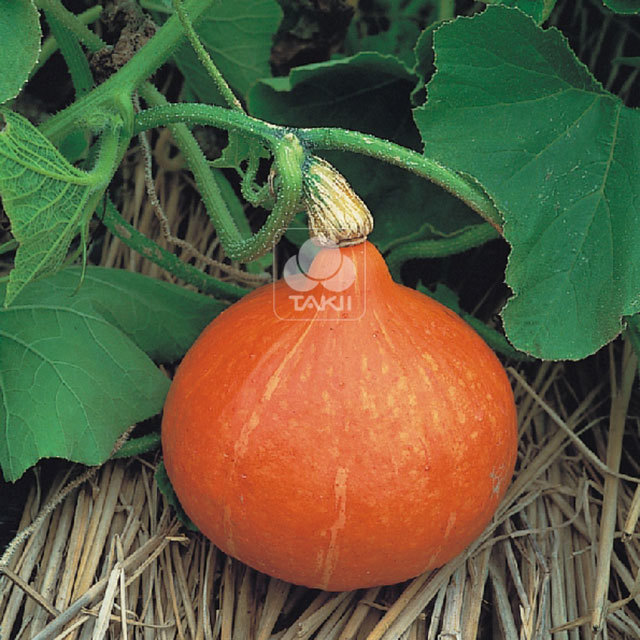
Uchiki Kuri Squash Drooping Leaves
eco Drooping Leaves

Uchiki Kuri Squash – Drooping Leaves

Why does your Uchiki Kuri Squash have drooping leaves? Diagnose the cause and fix it with our step-by-step guide.

pets Pet Friendly

search Possible Causes

error

Water Stress (Underwatering or Overwatering)

Squash plants have large, high-transpiration leaves that require consistent moisture; dry soil causes immediate loss of turgor pressure, while waterlogged soil leads to root hypoxia and wilting.

Very Common
lightbulb
How to confirm: Stick your finger two inches into the soil; if it is bone dry or extremely muddy, you have a watering issue.
build How to fix it
shopping_cart Recommended Products
1 Check the soil moisture level at the root zone using a moisture meter to determine if the plant is suffering from dehydration or root rot.
2 If the soil is bone dry, water the plant thoroughly until water drains from the bottom; if the soil is saturated, allow it to dry out before next watering.
3 Ensure the squash is planted in a well-draining medium and consider adding perlite to improve aeration and prevent waterlogging.
warning

Fusarium Wilt (Fusarium oxysporum f. sp. cucurbitae)

This soil-borne fungus invades the vascular system of the Uchiki Kuri, blocking water transport and causing progressive unilateral or whole-plant drooping.

Common
lightbulb
How to confirm: Check if the wilting starts on one side of the leaf or plant and look for reddish-brown discoloration in the stem cross-section.
build How to fix it
shopping_cart Recommended Products
1 Immediately remove and destroy the infected plant and any surrounding debris to prevent the soil-borne fungus from spreading to healthy squash plants.
2 Sterilize all gardening tools, such as pruning shears, with alcohol to avoid further transmission of the fungus.
3 Avoid planting squash or other cucurbits in this soil for at least two to three years, or amend the area with organic matter like worm castings to improve soil health.
warning

Pythium Root Rot

Damping-off or root rot caused by Pythium species prevents the roots of the squash from absorbing water, leading to symptoms that mimic drought even in moist soil.

Common
lightbulb
How to confirm: Examine the roots for any dark, slimy, or decayed areas instead of healthy white/tan structures.
build How to fix it
shopping_cart Recommended Products
1 Immediately reduce watering frequency and ensure the soil is not waterlogged to stop the spread of Pythium.
2 Repot the squash into a fresh, well-draining medium enriched with beneficial microbes to combat the pathogen.
3 Apply a microbial inoculant to the root zone to promote healthy root development and compete against the rot.
info

Squash Vine Borer (Melittia cucurbitae) Infestation

The larvae tunnel into the main stem of the squash plant, disrupting the upward flow of water and nutrients, which results in sudden, dramatic drooping.

Rare
lightbulb
How to confirm: Gently squeeze the base of the main stem to feel for soft spots or look for small holes and 'frass' (sawdust-like excrement) near the soil line.
build How to fix it
shopping_cart Recommended Products
1 Inspect the base of the main stem for small holes or sawdust-like frass, which indicates larval tunneling.
2 Apply an organic insecticide like Bonide Captain Jack's Neem Oil to the plant to help deter pests and manage fungal complications.
3 If the stem is still intact, carefully excavate the area around the base and manually remove any visible larvae to prevent further damage.

Other Uchiki Kuri Squash problems

Your plant might also be experiencing one of these issues:

local_hospital All symptoms eco All plants with drooping leaves
favorite