Urtica dioica (Corrected from fissa) Sticky Leaves
eco Sticky Leaves

Urtica dioica (Corrected from fissa) – Sticky Leaves

Why does your Urtica dioica (Corrected from fissa) have sticky leaves? Diagnose the cause and fix it with our step-by-step guide.

search Possible Causes

error

Aphid Infestation

Aphids are sap-sucking insects that excrete 'honeydew,' a sticky, sugary substance that coats the leaves of Urtica dioica. This residue can often be accompanied by visible small, green or black insects on the underside of the foliage.

Very Common
lightbulb
How to confirm: Inspect the undersides of the nettle leaves for tiny, moving insects and check if ants are patrolling the stems.
build How to fix it
shopping_cart Recommended Products
1 Spray the plant thoroughly with an organic insecticide to eliminate the aphid population and remove the sticky honeydew residue.
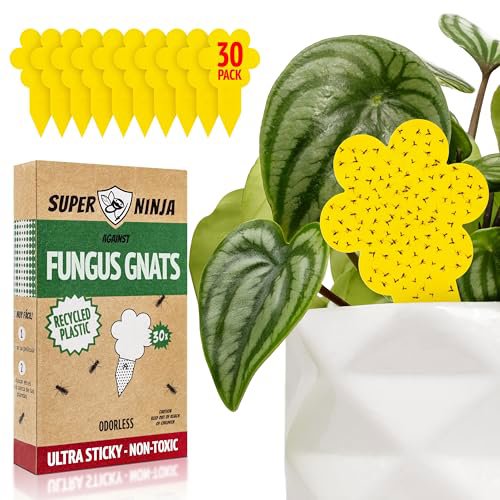
2 Use yellow sticky traps near the foliage to capture any remaining flying aphids and monitor for new arrivals.
3 Wipe the leaves with a damp cloth to clean off the sticky substance and prevent the growth of sooty mold.
warning

Scale Insects

Scale insects attach themselves to the stems or leaf veins of the stinging nettle and secrete honeydew as they feed on plant fluids. Unlike aphids, these may appear as small, stationary bumps or bumps that look like part of the plant structure.

Common
lightbulb
How to confirm: Gently scrape any suspicious hard bumps on the stems with a fingernail to see if they are living organisms.
build How to fix it
shopping_cart Recommended Products
1 Treat the plant with an organic insecticide to eliminate the scale insects and stop the secretion of honeydew.
2 Physically remove visible scale bumps from the stems and leaves using a soft cloth or cotton swab dipped in rubbing alcohol.
3 Wipe the sticky residue (honeydew) off the leaves with a damp cloth to prevent the growth of sooty mold.
warning

Sooty Mold

While not a primary cause, sooty mold is a dark fungus that grows directly on the sticky honeydew left by insects. It creates a black, powdery coating that can block photosynthesis in the nettle leaves.

Common
lightbulb
How to confirm: Check if the stickiness is accompanied by a black, velvety film that can be wiped off with a damp cloth.
build How to fix it
shopping_cart Recommended Products
1 Identify and treat the underlying insect pest (such as aphids or scale) that is producing the sticky honeydew using an organic insecticide.
2 Gently wipe the black, powdery mold off the leaves with a soft cloth and water to restore photosynthesis.
3 Monitor soil moisture levels to ensure the plant is not under environmental stress, which can make it more susceptible to pests.
local_hospital All symptoms eco All plants with sticky leaves
favorite