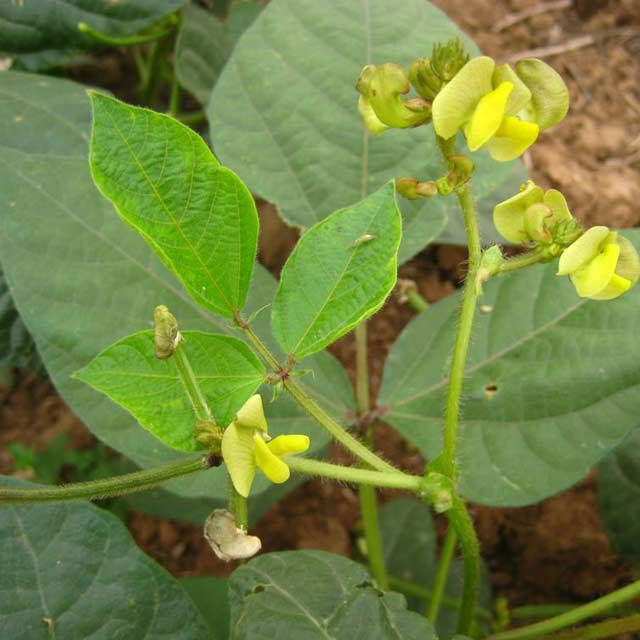
Vigna radiata Sudden Leaf Drop
eco Sudden Leaf Drop

Vigna radiata – Sudden Leaf Drop

Why does your Vigna radiata have sudden leaf drop? Diagnose the cause and fix it with our step-by-step guide.

pets Pet Friendly

search Possible Causes

error

Water Stress (Drought or Waterlogging)

Mung beans are highly sensitive to moisture fluctuations; drought triggers an abscission response to conserve water, while waterlogged soil causes root hypoxia and subsequent leaf drop. Rapid changes in soil moisture levels disrupt the plant's vascular transport.

Very Common
lightbulb
How to confirm: Check if the soil is bone-dry or if there is standing water around the base of the plants.
build How to fix it
shopping_cart Recommended Products
1 Check the soil moisture level immediately using a moisture meter to determine if the soil is bone-dry or saturated.
2 If the soil is waterlogged, repot the plant in a well-draining medium like a mix containing perlite to prevent root rot.
3 If the soil is dry, implement a consistent watering schedule and consider using a moisture monitor to prevent future drought stress.
error

Fungal Root Rot (e.g., Pythium or Rhizoctonia)

Soil-borne pathogens attack the root system of Vigna radiata, destroying the ability to uptake water and nutrients, which leads to sudden wilting and leaf shedding. This is particularly common in heavy, poorly drained soils.

Very Common
lightbulb
How to confirm: Gently pull a plant from the soil to see if the roots are dark, slimy, or smell of decay.
build How to fix it
shopping_cart Recommended Products
1 Immediately remove the plant from its current container and inspect the roots for mushy, brown, or foul-smelling decay; prune away any dead or rotting root tissue using sterilized tools.
2 Repot the plant in a fresh, well-draining medium enriched with perlite to improve aeration and prevent future waterlogging.
3 Apply a fungicide treatment to the soil to combat remaining pathogens and ensure the new substrate is sterile.
warning

Temperature Stress (Thermal Shock)

Mung beans are tropical legumes that thrive in warm conditions; sudden exposure to frost or extreme heat spikes can trigger physiological shock and rapid leaf abscission. Sudden drops in temperature inhibit metabolic processes essential for leaf maintenance.

Common
lightbulb
How to confirm: Review recent weather records for any significant temperature fluctuations or cold snaps in your area.
build How to fix it
shopping_cart Recommended Products
1 Immediately move the plant to a stable, sheltered environment to prevent further temperature fluctuations and protect it from frost or extreme heat.
2 Monitor the soil moisture closely using a moisture meter to ensure the plant is not experiencing secondary drought stress during this recovery period.
3 Apply a diluted liquid seaweed fertilizer to help the plant recover from physiological stress and boost metabolic resilience.
warning

Nutrient Deficiency (Nitrogen)

A sudden lack of available nitrogen prevents the plant from maintaining chlorophyll and leaf structure, often resulting in older leaves turning yellow and dropping prematurely. This is common in depleted soils where mung bean nitrogen-fixation has not yet established.

Common
lightbulb
How to confirm: Observe if the lower, older leaves are turning pale yellow before they drop.
build How to fix it
shopping_cart Recommended Products
1 Apply a nitrogen-rich organic fertilizer to replenish the soil and support chlorophyll production.
2 Check the soil moisture levels using a moisture meter to ensure the nitrogen is being effectively delivered to the roots without causing waterlogging.
3 Amend the existing soil with organic worm castings to improve long-term nutrient availability and soil health.

Other Vigna radiata problems

Your plant might also be experiencing one of these issues:

local_hospital All symptoms eco All plants with sudden leaf drop
favorite