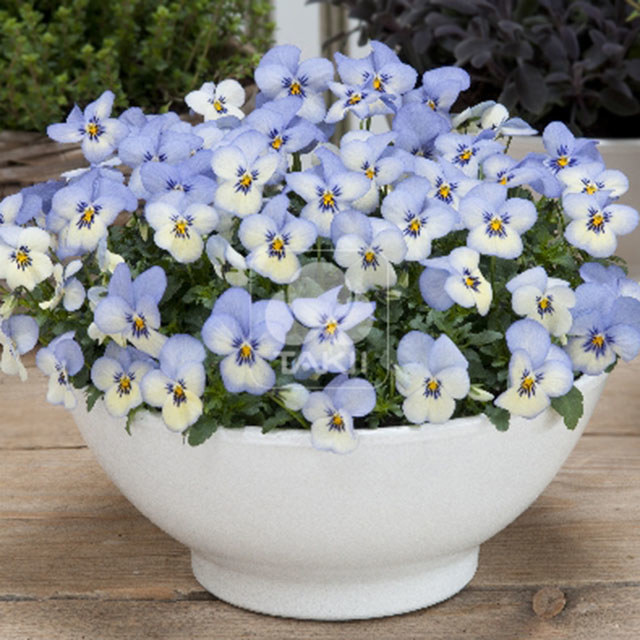
Viola cornuta Blue Picotee Leggy Stems
eco Leggy Stems

Viola cornuta Blue Picotee – Leggy Stems

Why does your Viola cornuta Blue Picotee have leggy stems? Diagnose the cause and fix it with our step-by-step guide.

pets Pet Friendly

search Possible Causes

error

Insufficient Light Exposure

Violas require bright light to maintain a compact, mounded growth habit. When light levels are low, the plant undergoes etiolation, stretching its stems toward the nearest light source to maximize photosynthesis.

Very Common
lightbulb
How to confirm: Observe if the stems are noticeably thinner and longer than the typical compact habit of the Blue Picotee cultivar.
build How to fix it
shopping_cart Recommended Products
1 Move your Viola to a location that receives much brighter, indirect light or direct sunlight to prevent further stretching.
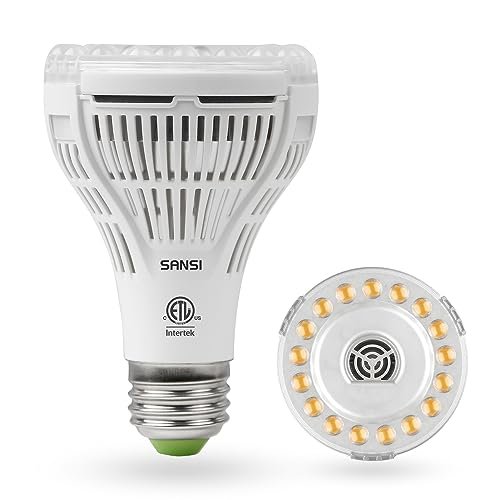
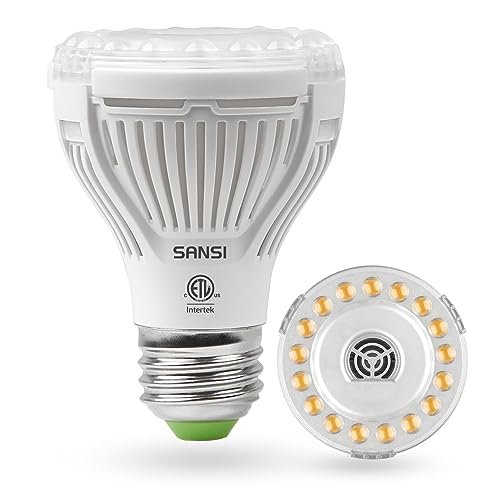
2 Supplement with a full-spectrum grow light to provide the necessary intensity for a compact growth habit.
3 Prune the elongated, leggy stems using sharp shears to encourage new, bushier growth from the base.
error

Overwatering and Poor Drainage

Excessive moisture in the substrate can lead to weakened cell structures. In Violas, this often results in soft, spindly growth that lacks the structural integrity to remain upright.

Very Common
lightbulb
How to confirm: Check if the soil remains damp for extended periods after watering or if the base of the stems feels mushy.
build How to fix it
shopping_cart Recommended Products
1 Immediately reduce watering frequency and allow the top inch of soil to dry out completely before watering again.
2 Repot the plant in a well-draining substrate amended with perlite to improve aeration and prevent future waterlogging.
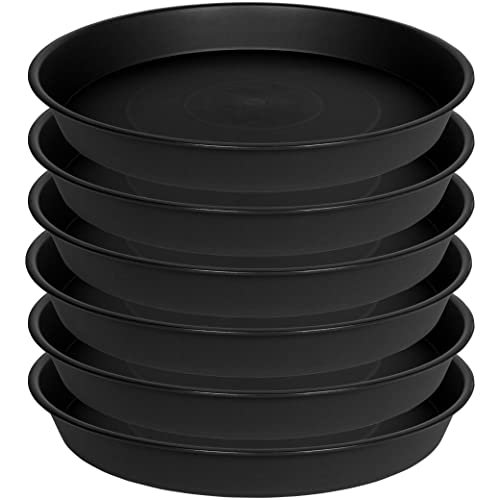
3 Ensure the plant is in a container with functional drainage holes and use a saucer to catch excess water, ensuring it does not sit in standing water.
warning

High Nitrogen Fertilization

An imbalance in nutrients, specifically an excess of nitrogen, promotes rapid vegetative growth at the expense of stem strength. This results in lush, green, but structurally weak and elongated stems.

Common
lightbulb
How to confirm: Review your recent fertilization schedule to see if a high-nitrogen liquid fertilizer was used recently.
build How to fix it
shopping_cart Recommended Products
1 Flush the soil with plenty of fresh, room-temperature water to leach out excess nitrogen salts from the root zone.
2 Switch to a fertilizer with a lower nitrogen ratio or a balanced formula to support structural strength rather than just foliage growth.
3 Prune the elongated, weak stems back to a healthier height to encourage bushier growth and improve airflow.
warning

Temperature Stress

Violas are cool-season plants; if temperatures remain too high, the metabolic rate can cause rapid, weak growth. This prevents the plant from developing the dense, low-profile foliage characteristic of the species.

Common
lightbulb
How to confirm: Monitor ambient daytime temperatures to see if they have consistently exceeded 75°F (24°C).
build How to fix it
shopping_cart Recommended Products
1 Move the plant to a cooler, shaded location or a room with lower temperatures to slow the metabolic rate and prevent further weak, rapid growth.
2 Provide supplemental light to encourage more compact, sturdy growth and prevent the stems from stretching further toward light sources.
3 Prune back the elongated, leggy stems to encourage the plant to develop a denser, more low-profile foliage habit.

Other Viola cornuta Blue Picotee problems

Your plant might also be experiencing one of these issues:

local_hospital All symptoms eco All plants with leggy stems
favorite