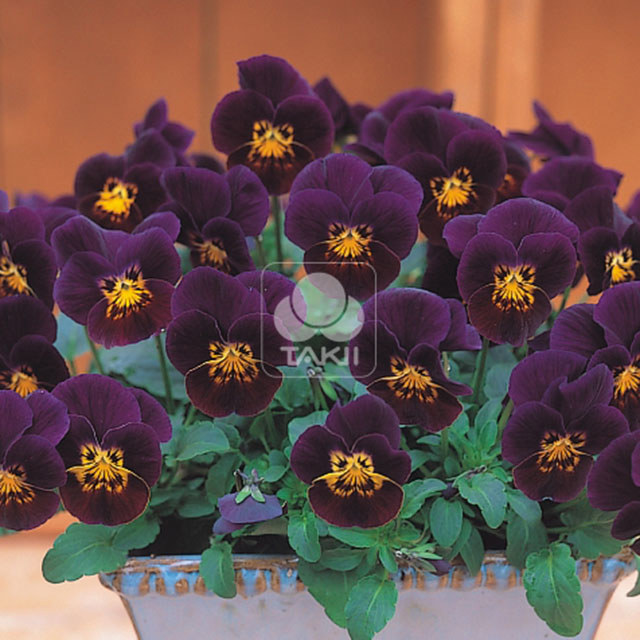
Viola cornuta Four Seasons F1 Plum Yellow Face Fine Webbing
eco Fine Webbing

Viola cornuta Four Seasons F1 Plum Yellow Face – Fine Webbing

Why does your Viola cornuta Four Seasons F1 Plum Yellow Face have fine webbing? Diagnose the cause and fix it with our step-by-step guide.

pets Pet Friendly

search Possible Causes

error

Two-Spotted Spider Mite (Tetranychus urticae)

This is the most common cause of fine webbing on violets. These tiny arachnids pierce plant cells to feed, causing stippling (small yellow dots) and leaving silken webs as they migrate across the foliage.

Very Common
lightbulb
How to confirm: Hold a white piece of paper under a leaf and tap the leaf sharply to see if tiny specks fall onto the paper.
build How to fix it
shopping_cart Recommended Products
1 Immediately spray the plant with an organic miticide/insecticide to kill existing mites and their eggs.
2 Isolate the affected plant from others to prevent the mites from migrating via the webbing.
3 Gently wipe the foliage with a damp cloth to physically remove webbing and dust, then monitor for new stippling.
warning

Tetranychid Mite Infestation due to Low Humidity

Viola cornuta prefers cooler, moister environments; extremely dry air accelerates mite reproduction and makes webbing more prominent on the undersides of leaves.

Common
lightbulb
How to confirm: Check if the surrounding environment has been exceptionally dry or if there is a heat source nearby drying out the foliage.
build How to fix it
shopping_cart Recommended Products
1 Apply an organic miticide to eliminate the spider mites and destroy their eggs and webbing.
2 Increase local humidity around the plant by using a pebble tray or a fine misting spray to slow mite reproduction.
3 Monitor soil moisture levels to ensure the environment remains consistently moist, as dry soil can contribute to low humidity stress.
warning

Edema (Physiological Disorder)

While not producing webbing itself, edema causes leaf cells to burst due to excessive water uptake; the resulting damaged tissue can sometimes trap dust or fungal filaments that mimic a web-like appearance.

Common
lightbulb
How to confirm: Inspect the leaves for small, blister-like bumps or corky, brown patches on the leaf edges.
build How to fix it
shopping_cart Recommended Products
1 Inspect the undersides of leaves for tiny moving pests like spider mites to confirm if the webbing is biological or just trapped debris from edema.
2 Regulate watering frequency to prevent the rapid water uptake that causes cell bursting, and use a moisture meter to ensure the soil is not staying saturated.
3 Improve air circulation around the plant to help leaves dry more evenly and prevent the buildup of moisture on damaged tissues.

Other Viola cornuta Four Seasons F1 Plum Yellow Face problems

Your plant might also be experiencing one of these issues:

local_hospital All symptoms eco All plants with fine webbing
favorite


