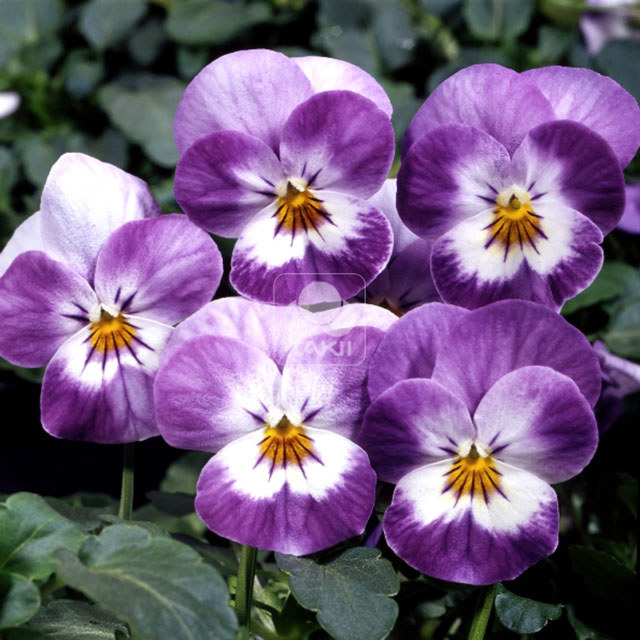
Viola cornuta Four Seasons F1 Rose Face Leggy Stems
eco Leggy Stems

Viola cornuta Four Seasons F1 Rose Face – Leggy Stems

Why does your Viola cornuta Four Seasons F1 Rose Face have leggy stems? Diagnose the cause and fix it with our step-by-step guide.

pets Pet Friendly

search Possible Causes

error

Insufficient Light Intensity

Violas require high light levels to maintain a compact, mounded growth habit. When light is low, the plant undergoes etiolation, rapidly elongating stems to search for a light source.

Very Common
lightbulb
How to confirm: Observe if the plants are positioned in a shaded area or if there has been recent cloud cover/shortened days.
build How to fix it
shopping_cart Recommended Products
1 Move your Viola to a location with much higher light intensity, such as a south-facing window or a spot with direct sunlight.
2 Supplement with a full-spectrum grow light to provide the necessary intensity for a compact growth habit.
3 Prune the elongated, leggy stems to encourage new, bushier growth from the base of the plant.
error

Excessive Nitrogen Fertilization

High levels of nitrogen promote rapid vegetative growth at the expense of structural integrity. In 'Four Seasons' varieties, this can result in soft, weak, and overly long stems that lack the strength to hold flowers.

Very Common
lightbulb
How to confirm: Review your recent fertilizer usage to see if a high-nitrogen formula was applied recently.
build How to fix it
shopping_cart Recommended Products
1 Flush the soil with plenty of fresh, room-temperature water to leach out excess nitrogen salts from the root zone.
2 Prune the soft, elongated stems back to a more compact height to encourage denser, sturdier growth.
3 Switch to a balanced or low-nitrogen fertilizer, such as FoxFarm Big Bloom, to support flower development without further promoting leggy foliage.
warning

High Temperature and Humidity

Warm nights and high humidity can accelerate metabolic rates in Violas, leading to rapid stem elongation. This often occurs when the plant is moved from a cool nursery environment to a warm greenhouse or outdoor setting.

Common
lightbulb
How to confirm: Check if nighttime temperatures have consistently stayed above 65-70°F (18-21°C).
build How to fix it
shopping_cart Recommended Products
1 Relocate the plant to a cooler, well-ventilated area to slow down metabolic growth and reduce stem elongation.
2 Increase light intensity to provide enough energy for sturdier growth, helping to prevent further stretching.
3 Prune the leggy stems back to encourage bushier growth and improve airflow around the foliage.
warning

Overwatering/Improper Drainage

While primarily causing rot, consistent moisture in the absence of oxygen can lead to soft, succulent growth. This lack of environmental stress prevents the plant from developing the sturdy, woody bases characteristic of healthy pansies.

Common
lightbulb
How to confirm: Feel the soil depth; if it remains saturated for several days after watering, drainage is likely an issue.
build How to fix it
shopping_cart Recommended Products
1 Check the soil moisture levels immediately using a moisture meter to ensure the root zone is not staying saturated for too long.
2 Repot the plant into a container with superior drainage, such as a Root & Vessel cylinder pot, and use a well-aerated medium like a mix containing perlite to prevent oxygen deprivation.
3 Ensure the plant is placed in a location with adequate light to encourage sturdier, more compact stem development.

Other Viola cornuta Four Seasons F1 Rose Face problems

Your plant might also be experiencing one of these issues:

local_hospital All symptoms eco All plants with leggy stems
favorite