Viola Cornuta Four Seasons F1 Yellow Leggy Stems
eco Leggy Stems

Viola Cornuta Four Seasons F1 Yellow – Leggy Stems

Why does your Viola Cornuta Four Seasons F1 Yellow have leggy stems? Diagnose the cause and fix it with our step-by-step guide.

pets Pet Friendly

search Possible Causes

error

Insufficient Light Intensity

Viola cornuta requires high light levels to maintain compact growth; low light triggers etiolation, where the plant stretches its stems to search for photons. This results in weak, elongated internodes and a lack of dense foliage.

Very Common
lightbulb
How to confirm: Observe if the stems are leaning toward a window or light source and check if the leaf color is paler than normal.
build How to fix it
shopping_cart Recommended Products
1 Move your Viola cornuta to a location with much higher light intensity, such as a south-facing window or a spot with direct sunlight.
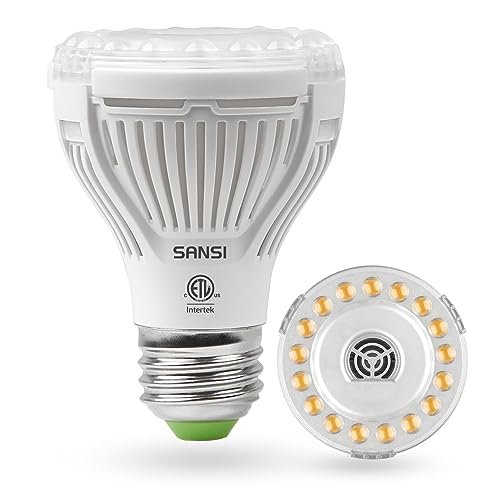
2 Supplement with a full-spectrum grow light to provide the necessary photon density for compact growth and to prevent further stretching.
3 Prune the elongated, weak stems using sharp shears to encourage new, denser growth from the base.
warning

Excessive Nitrogen Fertilization

High levels of nitrogen in the soil promote rapid vegetative growth at the expense of structural integrity. In violets, this can lead to lush but structurally weak and 'floppy' stems that cannot support the plant's weight.

Common
lightbulb
How to confirm: Review your recent fertilizer use for high N-P-K ratios and check if the foliage looks unnaturally dark green compared to previous growth.
build How to fix it
shopping_cart Recommended Products
1 Flush the soil with plenty of fresh, room-temperature water to leach out excess nitrogen salts from the root zone.
2 Prune any severely collapsed or mushy stems using sterilized shears to prevent rot and encourage new, healthy growth.
3 Transition to a balanced or lower-nitrogen fertilizer to support structural strength rather than just foliage expansion.
warning

High Temperature/Heat Stress

Warm nighttime temperatures can accelerate metabolic rates, causing the plant to grow rapidly and unevenly. This rapid expansion often leads to thin-walled, leggy stems that lack the density found in cooler growing conditions.

Common
lightbulb
How to confirm: Monitor ambient temperatures, especially at night, to see if they consistently exceed 70°F (21°C).
build How to fix it
shopping_cart Recommended Products
1 Relocate the plant to a cooler area or provide afternoon shade to reduce metabolic acceleration caused by heat.
2 Increase light intensity to encourage denser, more compact growth and prevent further stretching.
3 Monitor soil moisture closely to ensure the plant does not dehydrate during heat spikes.
warning

Overwatering and Poor Aeration

Consistently saturated soil reduces oxygen availability to the roots, causing the plant to struggle. The resulting physiological stress can lead to erratic growth patterns and weak stem development.

Common
lightbulb
How to confirm: Insert your finger two inches into the soil; if it feels soggy even though the surface looks dry, the roots may be suffocating.
build How to fix it
shopping_cart Recommended Products
1 Reduce watering frequency and allow the top inch of soil to dry out completely before watering again to prevent root suffocation.
2 Improve soil aeration by mixing in horticultural perlite to enhance drainage and oxygen flow to the root zone.
3 Ensure the plant is in a container with adequate drainage holes and use a saucer to catch excess water, making sure not to let the pot sit in standing water.

Other Viola Cornuta Four Seasons F1 Yellow problems

Your plant might also be experiencing one of these issues:

local_hospital All symptoms eco All plants with leggy stems
favorite