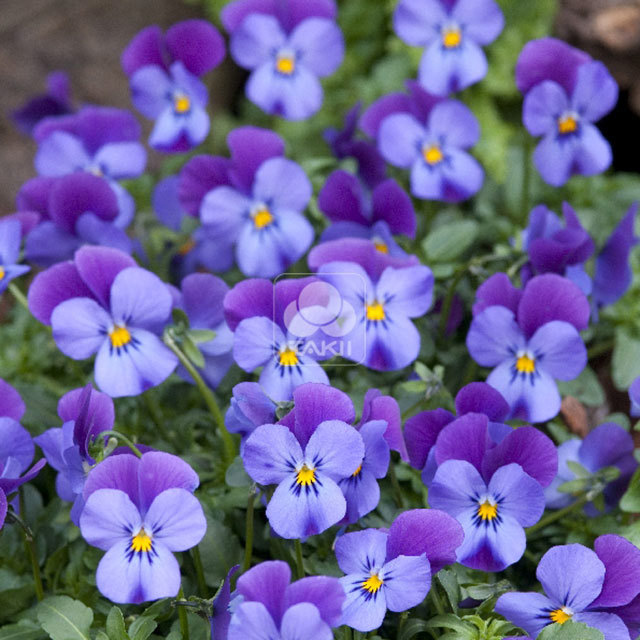
Viola cornuta Four Seasons Indigo Wing Blue White Cottony Spots
eco White Cottony Spots

Viola cornuta Four Seasons Indigo Wing Blue – White Cottony Spots

Why does your Viola cornuta Four Seasons Indigo Wing Blue have white cottony spots? Diagnose the cause and fix it with our step-by-step guide.

pets Pet Friendly

search Possible Causes

error

Mealybugs

Small, white, waxy insects that cluster in the leaf axils and tight crevices of the Viola stems. They secrete a cottony substance to protect themselves while feeding on the plant's sap, which can cause yellowing and stunted growth.

Very Common
lightbulb
How to confirm: Use a cotton swab dipped in rubbing alcohol to dab the white spots; if they dissolve and turn brown, it is likely mealybugs.
build How to fix it
shopping_cart Recommended Products
1 Isolate the plant immediately to prevent the mealybugs from spreading to your other houseplants.
2 Treat the infestation by spraying the plant with an organic insecticide or neem oil to kill the insects and remove the waxy coating.
3 Use a cotton swab dipped in isopropyl alcohol to manually remove visible white clusters from the leaf axils and crevices.
error

Powdery Mildew

A fungal disease common in cool, humid environments favored by Violas. It presents as white, flour-like patches on the surface of leaves and can eventually lead to leaf necrosis and reduced flowering.

Very Common
lightbulb
How to confirm: Check if the white spots are a surface coating that can be rubbed off easily with your finger without disturbing the leaf texture.
build How to fix it
shopping_cart Recommended Products
1 Apply an organic fungicide to the affected leaves to eliminate the powdery mildew fungus and prevent further spread.
2 Improve air circulation around the plant and avoid overhead watering to reduce the humidity that favors fungal growth.
3 Prune and dispose of heavily infected leaves to prevent the spores from contaminating healthy parts of the plant.
warning

Cottony Blight (Botrytis cinerea)

A fungal pathogen that thrives in high humidity and poor air circulation around Viola foliage. It often starts as small spots that develop a fuzzy, greyish-white mold, eventually causing flowers to rot and fall off.

Common
lightbulb
How to confirm: Inspect the base of the flower petals for dark, sunken lesions accompanied by the white fuzz.
build How to fix it
shopping_cart Recommended Products
1 Remove and discard all infected flowers and foliage to prevent the fungal spores from spreading to healthy parts of the plant.
2 Apply an organic fungicide to control the spread of the blight and protect remaining healthy tissue.
3 Improve air circulation around the Viola by spacing plants further apart and reduce humidity by avoiding overhead watering.
warning

Spider Mite Webbing

While mites themselves are tiny, a heavy infestation can produce extremely fine, white silk-like webbing across the Viola leaves. This is often accompanied by tiny yellow stippling (dots) on the leaf surface.

Common
lightbulb
How to confirm: Hold a white piece of paper underneath a leaf and tap the leaf sharply to see if tiny moving specks fall onto the paper.
build How to fix it
shopping_cart Recommended Products
1 Treat the plant with an organic insecticide/miticide spray to eliminate the spider mite population and destroy any remaining eggs.
2 Prune and discard any heavily infested or severely damaged leaves to reduce the mite population and prevent further spread.
3 Increase humidity around the plant and ensure good airflow, as spider mites thrive in hot, dry environments.

Other Viola cornuta Four Seasons Indigo Wing Blue problems

Your plant might also be experiencing one of these issues:

local_hospital All symptoms eco All plants with white cottony spots
favorite



