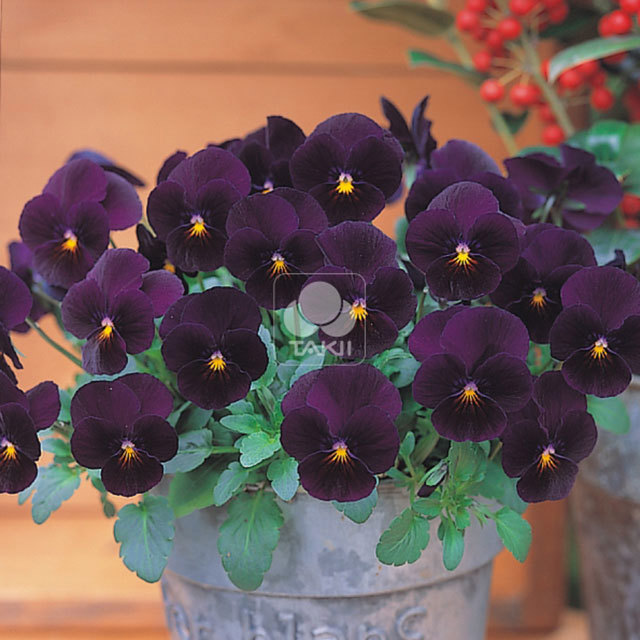
Viola cornuta Four Seasons Velvet Fine Webbing
eco Fine Webbing

Viola cornuta Four Seasons Velvet – Fine Webbing

Why does your Viola cornuta Four Seasons Velvet have fine webbing? Diagnose the cause and fix it with our step-by-step guide.

pets Pet Friendly

search Possible Causes

error

Two-Spotted Spider Mite (Tetranychus urticae)

These microscopic arachnids thrive in the warm, dry conditions often experienced by Viola cornuta. They pierce the plant cells to feed on sap, leaving behind fine silk webbing and causing stippling (tiny white dots) on the velvet-textured leaves.

Very Common
lightbulb
How to confirm: Hold a white piece of paper under a leaf and tap it sharply to see if tiny crawling specks fall onto the paper.
build How to fix it
shopping_cart Recommended Products
1 Immediately spray the plant with an organic miticide or insecticide to eliminate the spider mite population and destroy eggs.
2 Increase humidity around the plant and wipe leaves with a damp cloth to physically remove webbing and disrupt the mites' dry environment.
3 Monitor the soil moisture levels to ensure the environment does not become too dry, which encourages mite outbreaks.
warning

Tetranychid Mite infestation (General)

Beyond the two-spotted variety, other mite species can cause webbing in violets when humidity levels drop too low. This leads to a loss of turgor pressure and a characteristic dusty or 'dirty' appearance on the foliage.

Common
lightbulb
How to confirm: Inspect the undersides of the leaves closely for small clusters of eggs or tiny moving dots.
build How to fix it
shopping_cart Recommended Products
1 Apply an organic miticide or insecticide to eliminate the mite population and destroy any remaining eggs or larvae.
2 Increase ambient humidity around the violet to discourage mite reproduction and prevent the foliage from drying out.
3 Gently wipe the leaves with a damp cloth to remove the 'dusty' mite webbing and debris from the foliage.
warning

Thrips infestation

While thrips are primarily known for silver scarring and deformation, high-density populations can sometimes create silken cocoons or disturbed webbing patterns during pupation near leaf edges.

Common
lightbulb
How to confirm: Look for tiny, elongated black or brown insects moving rapidly along the leaf veins.
build How to fix it
shopping_cart Recommended Products
1 Apply an organic insecticide to eliminate adult thrips and larvae, specifically targeting the leaf edges where webbing is present.
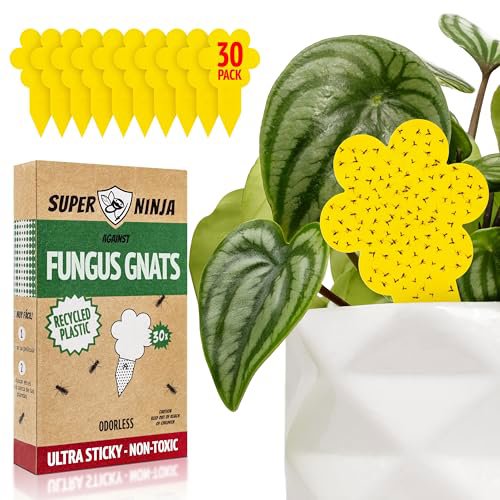
2 Place yellow sticky traps near the plant to capture flying adults and monitor the population density.
3 Carefully wipe the leaves with a damp cloth to physically remove webbing and disturbed pupation sites.

Other Viola cornuta Four Seasons Velvet problems

Your plant might also be experiencing one of these issues:

local_hospital All symptoms eco All plants with fine webbing
favorite