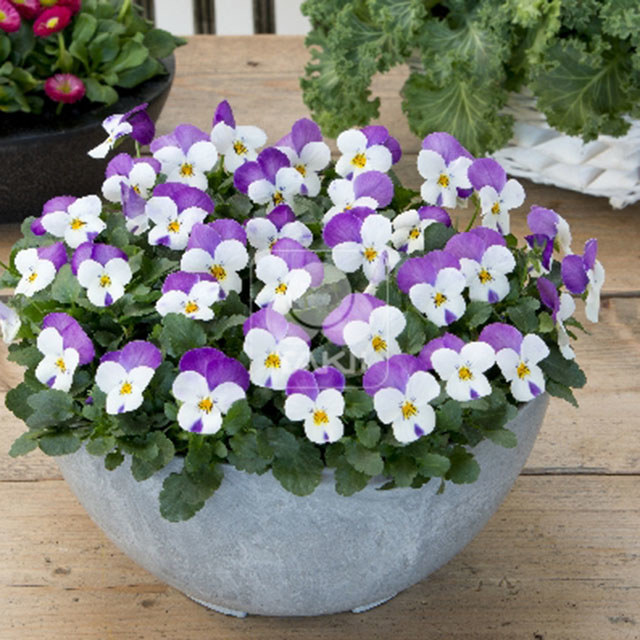
Viola cornuta Persian Pink STV179 Leggy Stems
eco Leggy Stems

Viola cornuta Persian Pink STV179 – Leggy Stems

Why does your Viola cornuta Persian Pink STV179 have leggy stems? Diagnose the cause and fix it with our step-by-step guide.

pets Pet Friendly

search Possible Causes

error

Insufficient Light Exposure

Violas are sun-loving plants that require significant light to maintain compact growth. When light levels are too low, the plant undergoes etiolation, stretching its stems rapidly to reach for a light source.

Very Common
lightbulb
How to confirm: Observe if the stems are leaning toward a window or if the internodes (space between leaves) appear unusually long.
build How to fix it
shopping_cart Recommended Products
1 Move your Viola to a location that receives at least 6 hours of direct sunlight or bright, filtered light to prevent further stretching.
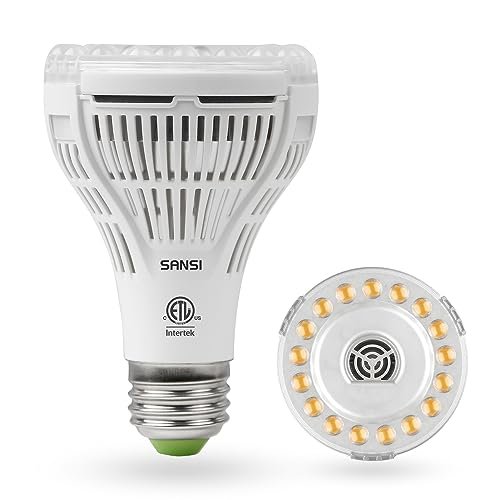
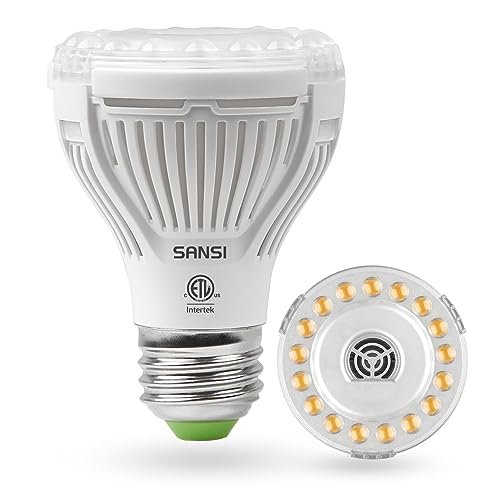
2 Supplement with a full-spectrum grow light to provide the necessary intensity for compact, healthy growth.
3 Prune the elongated, leggy stems using sharp shears to encourage the plant to grow more compact and bushy.
warning

Excessive Nitrogen Fertilization

An imbalance in nutrients, particularly too much nitrogen, can stimulate rapid vegetative growth at the expense of structural strength. This results in soft, weak, and elongated stems in Persian Pink Violas.

Common
lightbulb
How to confirm: Check if you have recently applied a high-nitrogen fertilizer or 'bloom booster' that lacks sufficient phosphorus/potassium.
build How to fix it
shopping_cart Recommended Products
1 Flush the soil with plain, room-temperature water to leach out excess nitrogen salts from the root zone.
2 Switch to a balanced or low-nitrogen fertilizer to encourage structural strength rather than rapid leafy growth.
3 Monitor soil moisture levels closely to ensure the plant is not being overwatered, which can exacerbate leggy growth.
warning

Overwatering and High Humidity

Consistently damp soil prevents the root system from establishing a strong anchor, causing the plant to lose structural integrity. In high humidity, transpiration slows down, which can contribute to spindly growth patterns.

Common
lightbulb
How to confirm: Test the soil moisture two inches below the surface; if it feels soggy while stems are stretching, reduce watering frequency.
build How to fix it
shopping_cart Recommended Products
1 Reduce watering frequency and allow the top inch of soil to dry out completely before watering again to prevent root rot.
2 Improve air circulation around the plant by using a small fan or increasing spacing to lower humidity levels around the foliage.
3 Repot the Viola in a well-draining medium enriched with perlite to ensure better aeration and prevent soil compaction.
warning

Temperature Extremes

Violas prefer cool temperatures; excessive heat can cause the plant to stretch or 'bolt' as a stress response. Conversely, sudden cold snaps can disrupt growth cycles and lead to uneven stem development.

Common
lightbulb
How to confirm: Monitor ambient daytime temperatures to ensure they remain within the preferred cool-season range for Violas.
build How to fix it
shopping_cart Recommended Products
1 Relocate the plant to a stable, cool environment away from direct heat sources or sudden drafts to prevent further temperature-induced stretching.
2 Provide consistent, supplemental lighting using a full-spectrum grow light to encourage compact, sturdy growth and prevent further legginess.
3 Monitor soil moisture levels closely, as temperature fluctuations can rapidly change evaporation rates; use a moisture meter to ensure the roots stay hydrated but not waterlogged.

Other Viola cornuta Persian Pink STV179 problems

Your plant might also be experiencing one of these issues:

local_hospital All symptoms eco All plants with leggy stems
favorite